
What if improving your garden started with understanding what's happening beneath the surface?
When we think about gardening, we often focus on the plants themselves: greener leaves, colorful flowers, and vegetables ready to harvest.
But soil deserves just as much attention.
Beneath your garden lies a complex environment where minerals, organic matter, water, air, plant roots, and microorganisms interact.
And learning how that system works is an important part of regenerative gardening.
At GreenGro Biologicals, we're passionate about soil biology and the materials gardeners use to manage their growing environments.
Three subjects are especially interesting: biochar, mycorrhizal fungi, and beneficial soil microorganisms.
Let's explore what they are, how they differ, and where they fit into regenerative gardening.
What Is Regenerative Gardening?
Regenerative gardening is an approach to growing plants that emphasizes soil health, ecological processes, and thoughtful resource management.
While there's no single gardening method that defines every regenerative practice, common principles include:
-
Maintaining appropriate soil structure
-
Managing organic matter
-
Reducing unnecessary soil disturbance
-
Keeping soil covered when appropriate
-
Encouraging plant diversity
-
Understanding nutrient cycling
-
Supporting suitable conditions for roots and soil organisms
The goal is to manage the growing environment as a connected system rather than addressing every problem with another product.
But regenerative gardening doesn't require a specific amendment or microbial inoculant.
Different gardens have different needs, and the best choices depend on soil conditions, plant species, and local climate.
1. Biochar: Understanding Carbon-Rich Soil Amendments
Biochar is a carbon-rich material produced by heating organic biomass under limited-oxygen conditions, a process commonly called pyrolysis.
Feedstocks may include wood and other suitable organic materials.
The properties of the resulting biochar depend on the source material and how it was produced.
Why Is Biochar Interesting for Soil Management?
Biochar has attracted scientific interest because of its physical and chemical characteristics.
Depending on the specific material, researchers study its interactions with:
-
Soil structure
-
Moisture behavior
-
Nutrient availability
-
Soil microorganisms
-
Carbon persistence
Certain biochars have porous structures and surfaces that can interact with water and other substances in the soil.
However, these characteristics don't mean every biochar improves every type of soil.
Does Biochar Improve Water Retention?
Sometimes, under certain conditions.
The effects depend on the biochar, the existing growing medium, application rate, and surrounding environment.
For example, a material may behave differently in sandy soil than in a clay-rich soil or a commercial potting mix.
That's why a garden's existing conditions matter when choosing amendments.
What About Biochar and Carbon Storage?
Some forms of biochar contain carbon that can persist in soil for extended periods.
This has led to interest in biochar as part of certain carbon management strategies.
However, the climate impact of a particular product depends on factors such as its feedstock, production, transportation, carbon stability, and end use.
Adding biochar shouldn't automatically be equated with a specific amount of carbon dioxide removal.
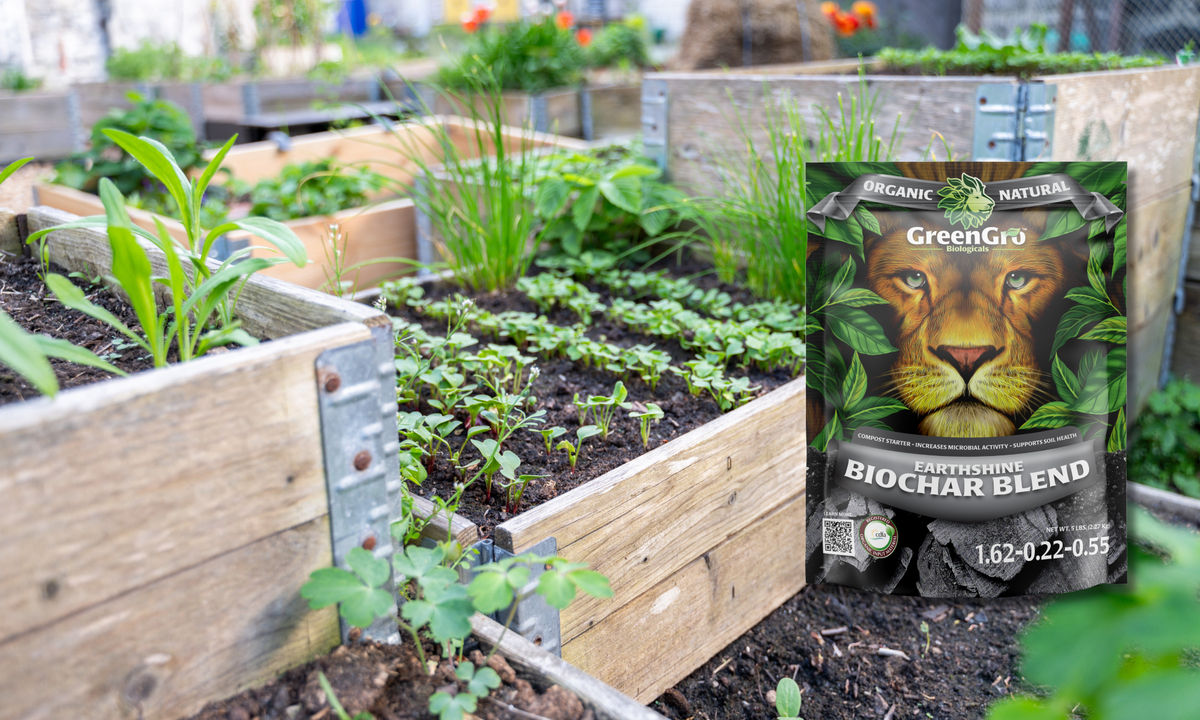
Featured Product: GreenGro Earthshine Biochar
GreenGro Earthshine Biochar is a biochar-based soil amendment in our soil care lineup.
Earthshine is an option for gardeners exploring carbon-rich amendments as part of their growing practices.
Before applying it, consider your soil conditions, the product's intended uses, and its current application directions.
 Interested in the history behind biochar? Learn more in our guide to Earthshine Biochar and garden soil.
2. Mycorrhizal Fungi: Understanding Their Relationship With Plant Roots
The second part of our regenerative gardening discussion involves mycorrhizal fungi.
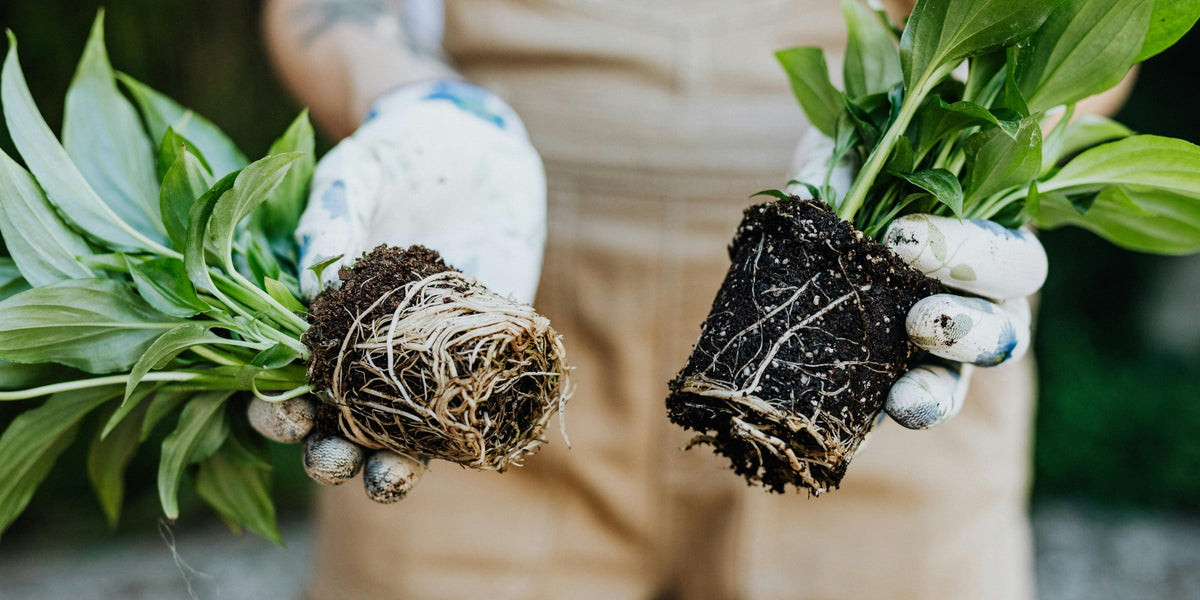
These fungi form associations with the roots of many plant species.
In certain mycorrhizal relationships, plants and fungi exchange resources.
Fungal structures can extend into the surrounding soil and participate in nutrient and water movement under suitable conditions.
Why Are Mycorrhizae Important?
Mycorrhizal relationships are part of natural soil ecosystems.
Scientists study their roles in plant nutrition, root interactions, and environmental responses.
But their effects depend on several factors, including:
-
Plant species
-
Fungal species
-
Soil nutrient availability
-
Existing soil microorganisms
-
Moisture and temperature
-
Other growing conditions
Adding a commercial inoculant doesn't guarantee faster growth, improved water uptake, or higher yields.
Do All Garden Plants Form Mycorrhizal Relationships?
No.
Many common garden plants, including tomatoes and peppers, can form arbuscular mycorrhizal associations.
However, crops in the brassica family, such as broccoli and cabbage, generally do not form typical arbuscular mycorrhizal relationships.
This distinction matters when selecting inoculants.
Soil may also already contain compatible fungi, meaning additional inoculation isn't necessarily required.
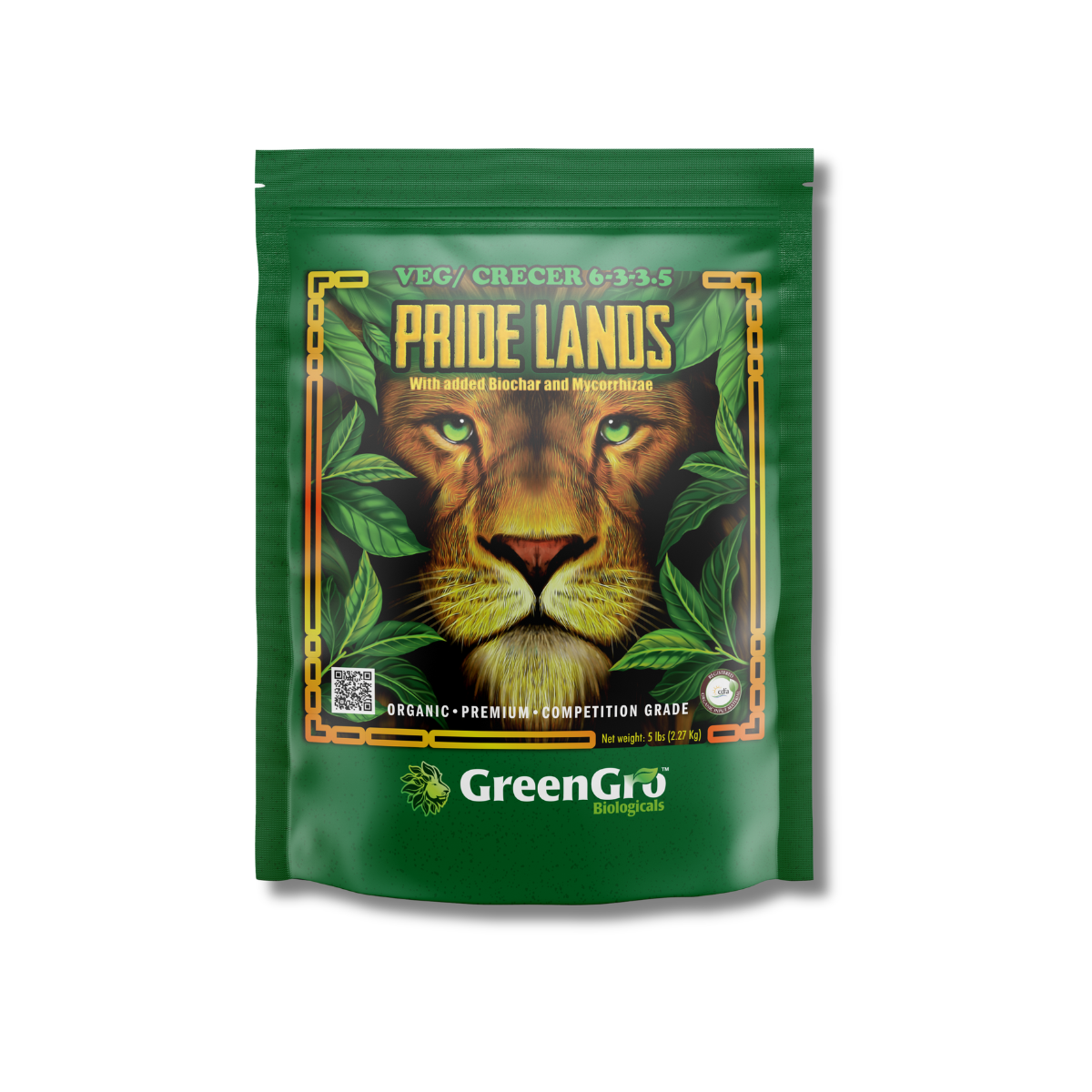
Featured Product: GreenGro Granular Plus Myco
GreenGro Granular Plus Myco is a granular mycorrhizal inoculant in our soil biology lineup.
Its published formulation description also identifies ingredients such as kelp, humic acid, and beneficial bacteria.
Gardeners interested in mycorrhizal products can evaluate Granular Plus Myco for compatible plants and intended applications.
Check the current product label for the appropriate application method and rate.

3. Beneficial Soil Microorganisms: The Bigger Biological Picture
Mycorrhizal fungi are only one part of soil biology.
Soil also contains many types of bacteria, fungi, and other microorganisms.
These organisms participate in complex ecological processes.
What Do Soil Microorganisms Do?
Different microorganisms can be involved in different activities.
For example:
Organic matter decomposition: Some microorganisms help break down organic materials.
Nutrient cycling: Microbial processes can influence how nutrients move between organic and mineral forms.
Root-zone interactions: Certain microorganisms live close to plant roots and interact with the surrounding environment.
Soil biological communities: Different organisms interact with one another as part of a larger soil ecosystem.
However, not every microorganism is beneficial under every condition.
And simply increasing the number of microorganisms in soil doesn't automatically improve plant health.
Can Beneficial Microbes Protect Plants From Disease?
Certain microorganisms are studied for their interactions with plant pathogens.
However, results are highly specific to the organism, pathogen, plant, and environment.
A general claim that a microbial product prevents, controls, or suppresses plant diseases requires appropriate supporting evidence and regulatory review.
Soil biological activity alone shouldn't be presented as a guaranteed form of disease protection.
Featured Product: GreenGro BioMend+
BioMend+ is a microbial product in our soil biology lineup.
Its published formulation information identifies several bacterial and fungal microorganisms, including species from the genera Bacillus, Streptomyces, and Trichoderma.
For gardeners interested in exploring microbial products, BioMend+ is an option to evaluate according to its intended uses.
Its suitability depends on the specific growing system, product directions, and application conditions.

How Do Biochar, Mycorrhizae, and Soil Microbes Work Together?
These three subjects are connected, but they aren't interchangeable.
Each represents a different part of the soil management picture.
| Component | What It Is | Why Gardeners Study It |
|---|---|---|
| Biochar | Carbon-rich soil amendment | Interactions with soil properties, moisture, nutrients, and carbon |
| Mycorrhizal fungi | Fungi that associate with compatible plant roots | Root relationships and resource exchange |
| Soil microorganisms | Diverse communities of bacteria, fungi, and other organisms | Decomposition, nutrient cycling, and soil interactions |
Biochar isn't a substitute for mycorrhizal fungi.
Mycorrhizal inoculants aren't the same as a general microbial product.
And adding any one of these materials doesn't eliminate the need for proper watering, drainage, or plant nutrition.
The goal is to understand what each material is intended to do and whether it belongs in your gardening routine.
Do You Need All Three for a Regenerative Garden?
No.
You can practice regenerative gardening without purchasing biochar or microbial inoculants.
Many soil-conscious practices involve everyday decisions such as:
-
Protecting bare soil
-
Managing compost appropriately
-
Avoiding excessive compaction
-
Growing suitable cover crops
-
Rotating crops where helpful
-
Reducing unnecessary soil disturbance
-
Monitoring soil nutrients and moisture
Products may have a place in a soil management program, but they should be selected for a reason.
A garden with drainage problems, for example, may require a physical correction rather than an additional microbial product.
How to Start Regenerative Gardening at Home
Interested in getting started?
You don't need to change everything at once.
Step 1: Understand Your Existing Soil
Start by observing your garden.
Does the soil drain appropriately? Is it compacted? Do plants show recurring symptoms?
Consider a soil test to evaluate pH and nutrient levels.
Step 2: Manage Organic Matter Thoughtfully
Mature compost and other amendments may be appropriate depending on your soil's needs.
Avoid assuming that more organic matter is always better.
Step 3: Minimize Unnecessary Soil Disturbance
Repeated tillage can affect soil structure and certain biological processes.
Where appropriate, consider lower-disturbance approaches.
However, some conditions may require targeted soil preparation.
Step 4: Keep Soil Covered
Mulch and suitable cover crops can help manage exposed soil.
Choose materials and plants appropriate for your climate and garden.
Step 5: Learn About Biological Inputs
If you're considering mycorrhizal inoculants or microbial products, review their formulations, intended applications, and compatibility with your plants.
Step 6: Evaluate Amendments Individually
If biochar interests you, consider the characteristics of the specific product and your existing soil.
Step 7: Monitor and Adjust
Track what you apply and observe how your garden responds.
Use soil testing and plant observations to make future decisions.
For a step-by-step approach to preparing garden soil, read our Living Soil Method guide.
Common Regenerative Gardening Mistakes
Even well-intentioned gardeners can make decisions that don't suit their soil.
Adding Too Many Amendments at Once
Applying several products together makes it difficult to understand what your soil actually needs.
Evaluate each amendment individually.
Assuming All Plants Need Mycorrhizal Inoculants
Plant compatibility matters.
Not every crop forms the same fungal associations.
Treating Microbial Products as Disease Treatments
A microbial product shouldn't be presented as a plant disease treatment without appropriate supporting evidence and authorization.
Ignoring Soil Drainage
Roots need oxygen as well as water.
Biological inputs aren't a substitute for suitable physical soil conditions.
Overapplying Fertilizer
Plants require essential nutrients, but excessive applications can contribute to imbalances.
Use soil tests and product directions to guide fertilization.
Your Regenerative Gardening Checklist
Use this checklist as you plan your next growing season.
- Evaluate soil structure and drainage.
- Review soil pH and nutrient information.
- Consider mature compost where appropriate.
- Protect exposed soil with mulch or cover crops.
- Reduce unnecessary soil disturbance.
- Learn whether biochar fits your soil needs.
- Check plant compatibility before selecting mycorrhizal products.
- Review the intended uses of microbial inoculants.
- Follow current product application instructions.
- Track your gardening practices and observations.
A successful soil management plan starts with understanding your growing conditions.
Frequently Asked Questions About Regenerative Gardening
What Is the Difference Between Regenerative Gardening and Organic Gardening?
Organic gardening generally emphasizes practices and inputs consistent with organic growing principles.
Regenerative gardening places particular attention on soil management, ecological processes, and long-term stewardship.
The approaches can overlap, but the terms aren't interchangeable.
Is Biochar Necessary for Regenerative Gardening?
No.
Biochar is an optional amendment that may be relevant to certain soil management programs.
Do Mycorrhizal Fungi Help Every Plant?
No.
Compatibility depends on the plant and the type of fungus.
Existing soil conditions also affect whether additional inoculation is appropriate.
What Are Beneficial Soil Microorganisms?
They are microorganisms involved in processes that may contribute to soil function or particular plant interactions.
Their effects vary by organism and environment.
Can Biochar and Microbial Products Be Used Together?
Different products may be compatible in certain growing systems.
However, using them together doesn't guarantee a specific biological or plant response.
Check product instructions and suitability before combining inputs.
Does Regenerative Gardening Eliminate the Need for Fertilizer?
No.
Plants require essential nutrients regardless of the gardening approach.
The need for supplemental fertilizer depends on soil nutrient availability and plant requirements.
How Long Does It Take to Improve Soil Health?
It depends on the initial soil conditions and the changes you're trying to make.
Some management adjustments can be made immediately, while other soil properties may change over multiple seasons.
Explore Regenerative Gardening With GreenGro Biologicals
Regenerative gardening begins with understanding the soil beneath your plants.
Biochar, mycorrhizal fungi, and beneficial microorganisms are interesting parts of that conversation—but they each serve different purposes.
At GreenGro Biologicals, we offer products for gardeners exploring soil amendments and biological growing practices.
Discover the products featured in this guide:
-
Earthshine Biochar: Biochar-based soil amendment.
-
Granular Plus Myco: Granular mycorrhizal inoculant.
-
BioMend+: Microbial soil product.
Explore GreenGro Soil Amendments and Biological Products →
You don't need a complicated formula to begin thinking differently about your garden.
Start with the soil, understand your plants, and choose practices and products that fit your growing environment.
Happy growing!