
Filters
20 products



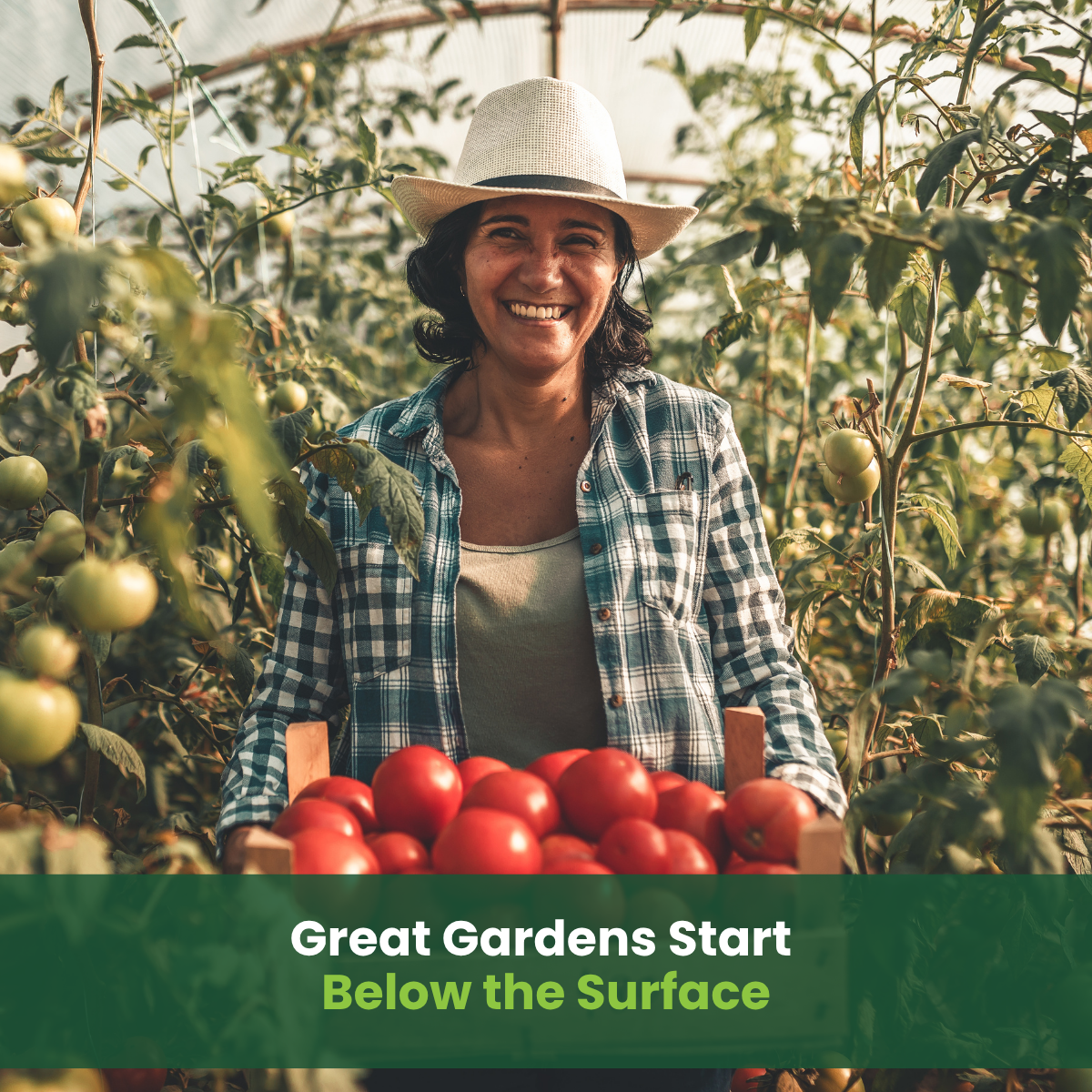
Understanding the Flowering Stage: From Blooms to Fruit Development
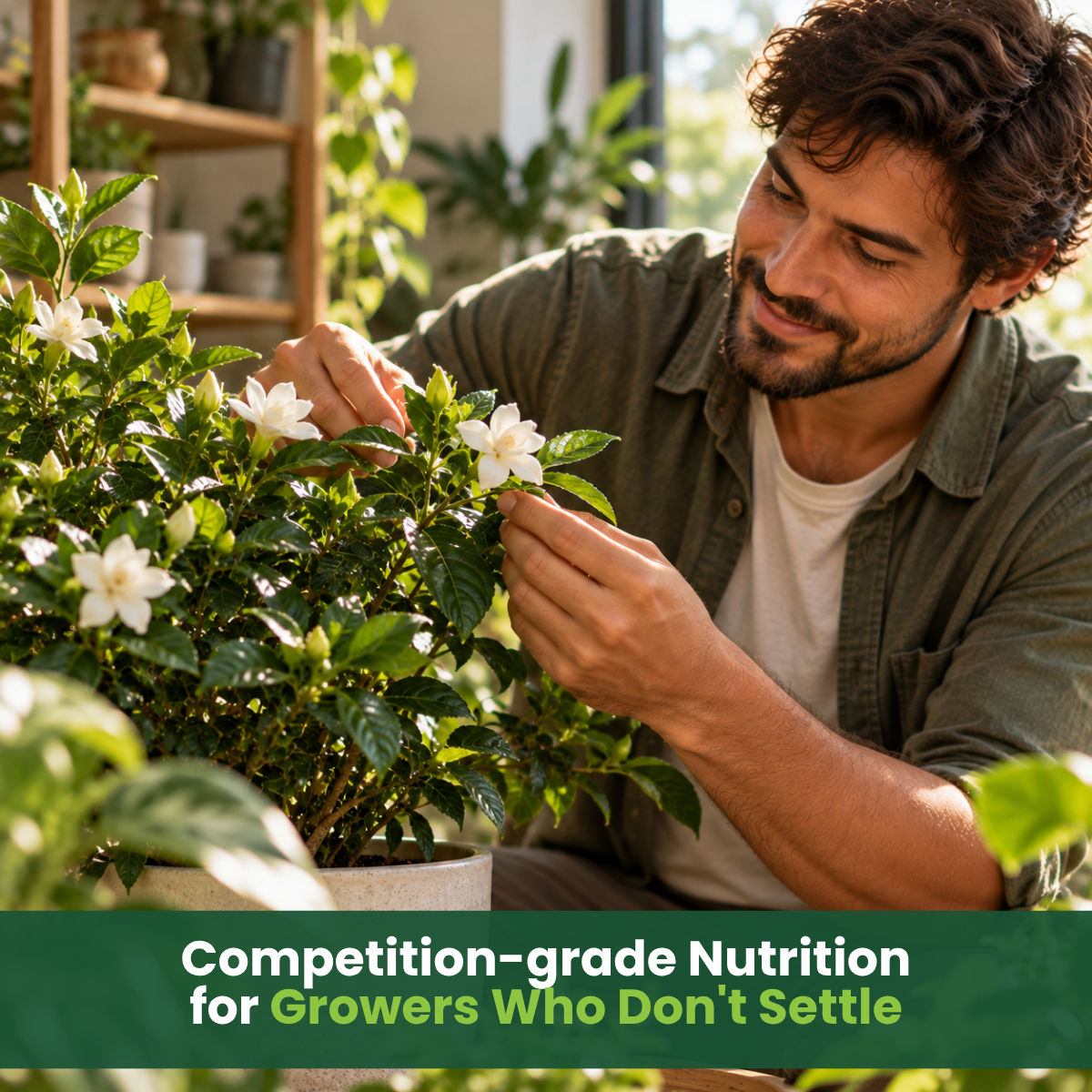
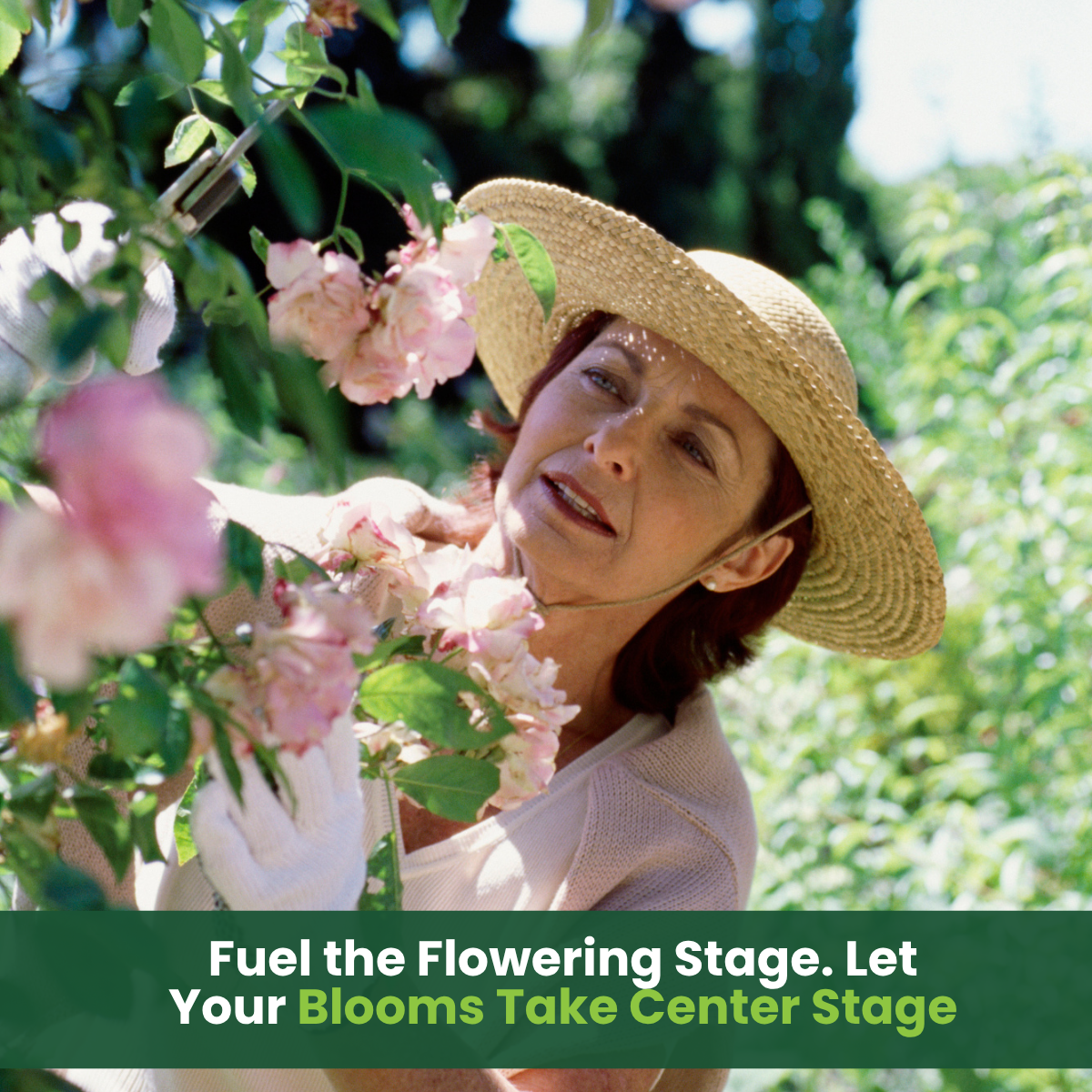
The flowering stage is an important phase of plant development, when many plants shift their energy toward producing flowers, fruits, and seeds.
During this stage, plants continue to need balanced nutrition, adequate light, consistent watering, and suitable environmental conditions. Their nutritional requirements may also change as flowering and fruit development progress.
Phosphorus and potassium play important roles in plant growth and reproductive development, but successful flowering depends on more than any single nutrient.
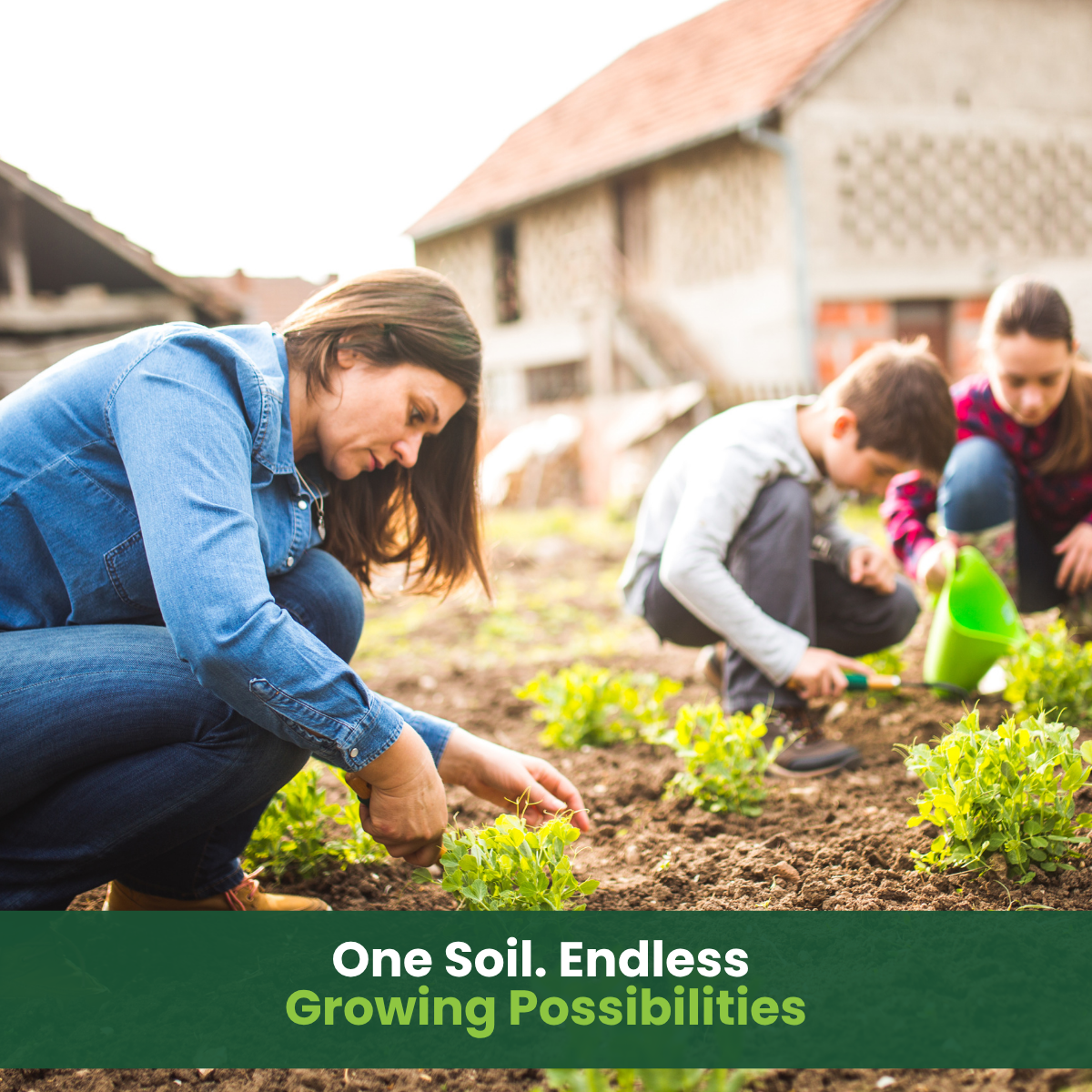
Whether you're growing flowering plants, vegetables, or fruit-bearing crops, understanding this stage can help you make informed decisions about plant nutrition and ongoing care.
Related Growing Resources

Flowers but No Fruit
Discover common reasons seeds fail to germinate and learn how moisture, temperature, and growing conditions influence success.
Not Flowering
Understand why plants aren't producing blooms and how light, nutrition, and environmental conditions can influence flowering.
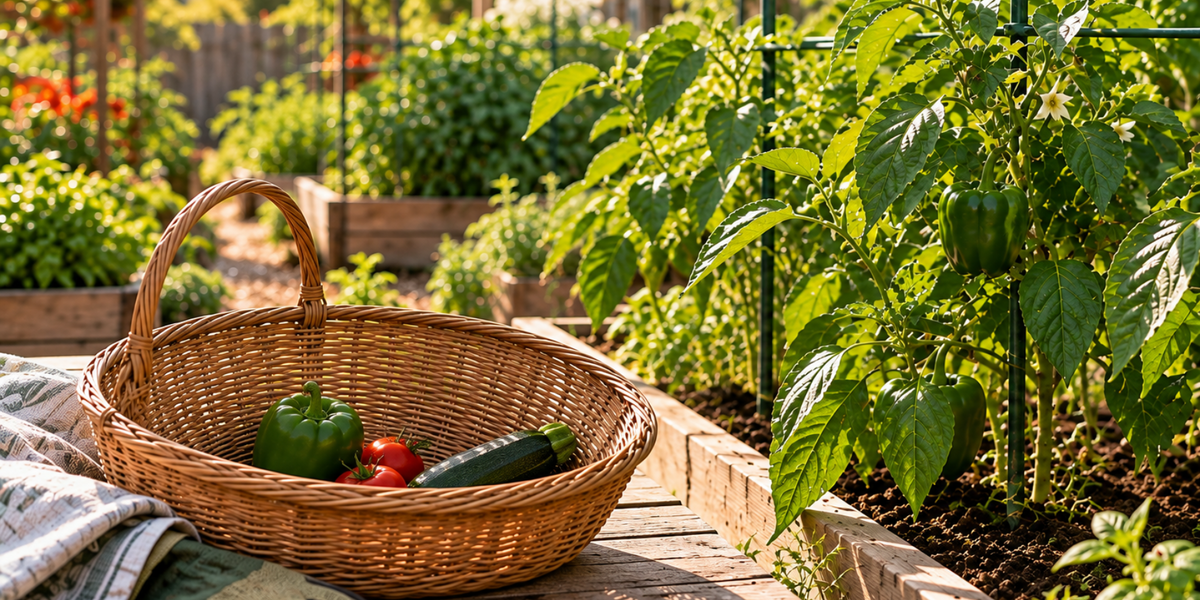
Low Yields
Discover what may be limiting your garden's productivity and how to support healthier flowering and fruit development.
FAQ
What nutrients are important during the flowering stage?
Flowering plants require balanced nutrition, including phosphorus, potassium, nitrogen, and essential micronutrients. The ideal nutrient balance depends on the plant species, growing medium, and stage of development.
Why is my plant flowering but not producing fruit?
Poor fruit set can result from inadequate pollination, temperature extremes, water stress, or nutritional imbalances. Identifying the underlying cause is important before changing your fertilizer routine.
Should I switch fertilizers when plants begin flowering?
Some growing programs use different nutrient formulations during vegetative and flowering stages. Whether a change is appropriate depends on the crop, fertilizer, and growing method. Follow the product's feeding recommendations.
Does more fertilizer mean more flowers or bigger harvests?
No. Excessive fertilization can cause nutrient imbalances or damage plants. Healthy flowering and productivity depend on balanced nutrition, along with adequate light, water, pollination, and suitable growing conditions.