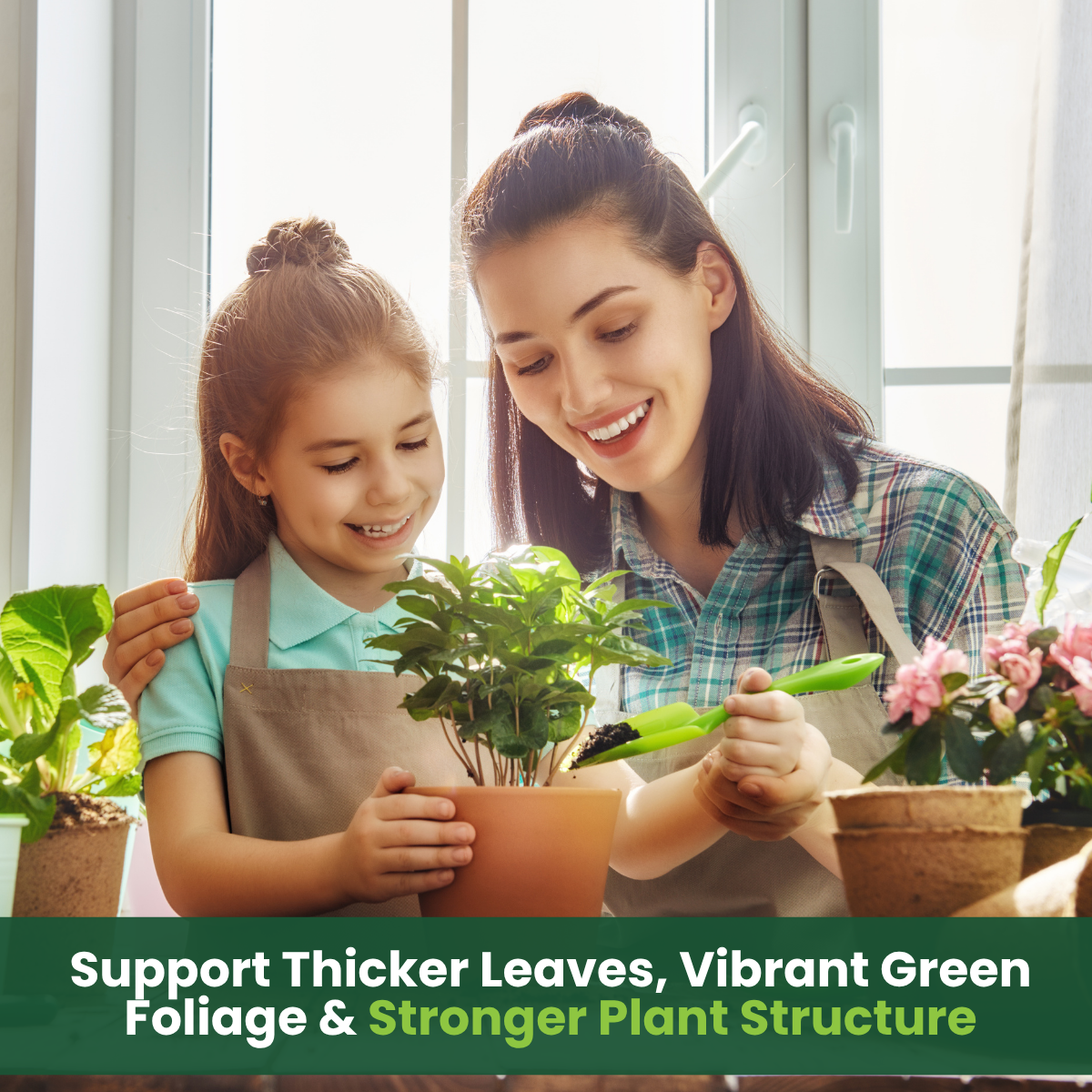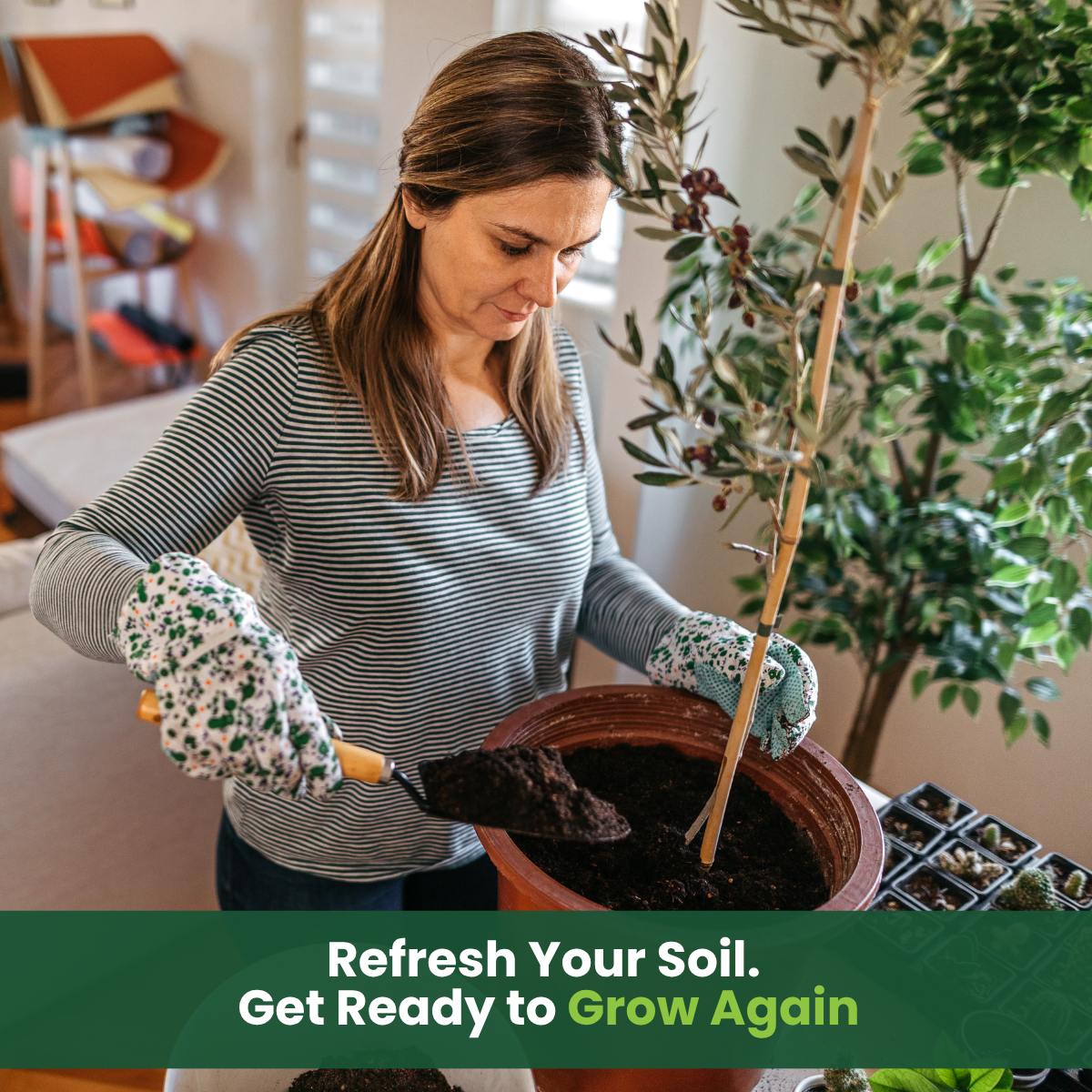

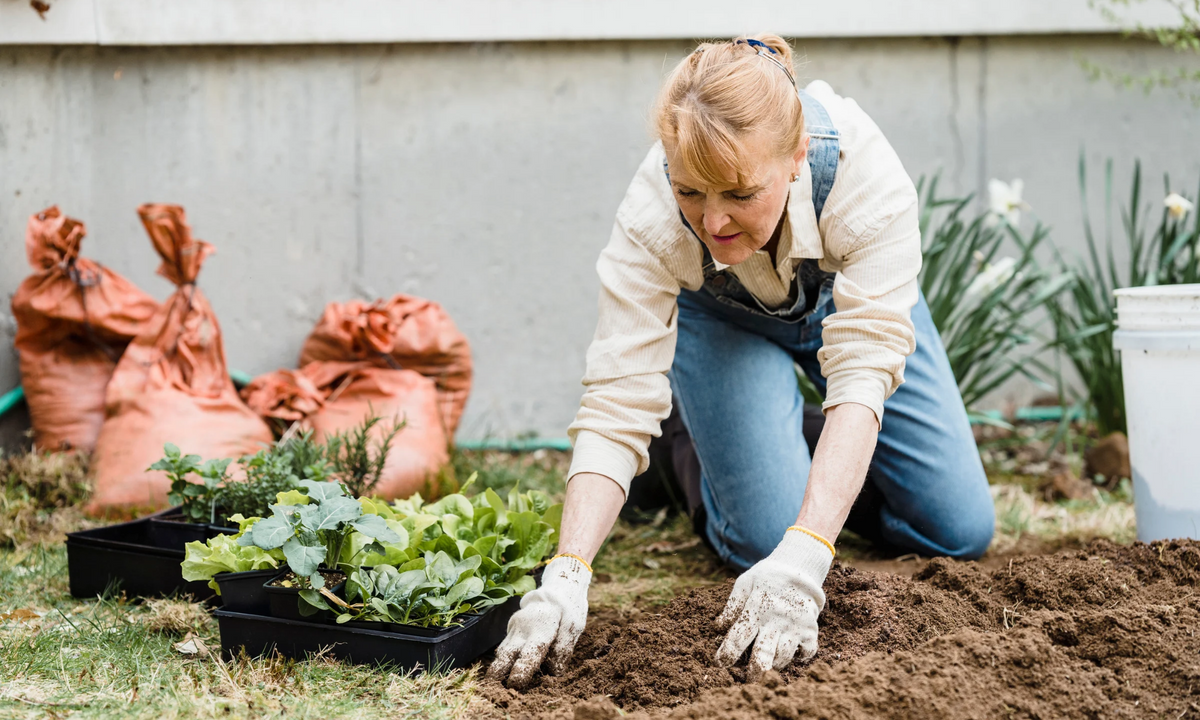
There's something exciting about gardening in May!
The days are getting longer, temperatures are warming up, and gardens that seemed quiet just a few weeks ago are starting to come alive.
For many gardeners, May marks the transition into the summer growing season. It's a great time to plant vegetables, herbs, and flowers that enjoy warmer conditions.
But what should you actually plant this month?
Tomatoes, peppers, cucumbers, beans, basil, zinnias, marigolds, and sunflowers are all popular May planting options, depending on your location and local temperatures.
The key is choosing the right crops for your climate, preparing suitable growing conditions, and giving each plant the care it needs.
Here's your guide to what to plant in May and how to prepare your garden for the summer ahead.
Before Planting in May, Check Your Local Conditions
May may feel like summer in some parts of the country, but in others, late frosts and cool soil temperatures are still possible.
Before planting warm-season crops, consider:
-
Last frost date: Has the risk of freezing temperatures passed?
-
Soil temperature: Is the soil warm enough for your seeds or transplants?
-
Sunlight: Does your planting area receive enough sun?
-
Drainage: Will excess water move through the soil appropriately?
-
Growing season: Will your chosen varieties have enough time to mature?
USDA Hardiness Zones can help describe winter temperature conditions, but they aren't a substitute for local frost dates and planting calendars.
For gardeners moving seedlings outdoors, gradual hardening off is also important.
1. Tomatoes: A Summer Garden Favorite
Tomatoes are among the most popular vegetables to plant in May.
From sweet cherry tomatoes to large beefsteak varieties, there are options for containers, raised beds, and traditional garden plots.
Tomatoes are warm-season crops that generally prefer full sun and consistently warm growing conditions.
Tips for Planting Tomatoes in May
-
Wait until frost risk has passed and outdoor conditions are suitable.
-
Choose a sunny planting location.
-
Provide enough space for the mature variety.
-
Install cages, stakes, or trellises early.
-
Water consistently while avoiding prolonged soil saturation.
-
Evaluate soil nutrient needs before fertilizing.
Tomatoes require essential nutrients during their growing cycle, but applying more fertilizer than needed doesn't guarantee better fruit production.
Featured Product: GreenGro Tomato, Veggie & Herb Fertilizer
GreenGro Tomato, Veggie & Herb Fertilizer is formulated for edible gardening applications.
For gardeners planning their tomato nutrition program, it's an option to explore based on soil conditions, crop needs, and current product directions.

2. Peppers: Wait for Consistent Warmth
Sweet and hot peppers are another popular choice for May gardening.
Bell peppers, jalapeños, serranos, and poblanos all prefer warm growing conditions.
However, peppers can be sensitive to cold temperatures, even when frost isn't expected.
Tips for Planting Peppers
-
Transplant only when temperatures are appropriate for the variety.
-
Choose a location with plenty of sunlight.
-
Use well-draining soil.
-
Avoid disturbing the root system unnecessarily.
-
Monitor soil moisture during establishment.
-
Follow suitable fertilization recommendations.
Peppers may grow slowly after transplanting, particularly when soil temperatures remain cool.
Patience and appropriate conditions are more useful than automatically increasing fertilizer.
What About Mycorrhizal Fungi?
Many pepper plants can form associations with arbuscular mycorrhizal fungi.
These relationships are an important area of study in plant and soil biology.
GreenGro Premium Ultrafine Myco is a mycorrhizal inoculant gardeners can explore when evaluating biological inputs for compatible crops.
Its suitability depends on the product's intended applications, existing soil conditions, and plant compatibility.

3. Cucumbers: A Great Choice for Warm-Season Gardens
Cucumbers can grow quickly once temperatures are suitable.
They're popular for fresh salads, homemade pickles, and summer meals.
Depending on your climate, May may be appropriate for direct sowing cucumber seeds or transplanting carefully raised seedlings.
Tips for Growing Cucumbers
-
Wait until soil temperatures are suitable.
-
Provide plenty of sunlight.
-
Choose a location with adequate drainage.
-
Follow appropriate plant spacing.
-
Use a trellis for vining varieties when practical.
-
Maintain consistent moisture during growth and fruit development.
Vertical growing can save space and make harvesting easier.
It can also improve airflow around foliage, although it does not eliminate disease risk.
If you're growing cucumbers in containers, choose a container large enough for the mature plant and its root system.
4. Beans: An Easy Crop for Beginner Gardeners
Beans are an excellent option for gardeners who want to grow vegetables from seed.
Bush beans and pole beans can both perform well during warm weather, provided growing conditions are appropriate.
Bush Beans vs. Pole Beans
Bush beans typically grow in compact plants and may be suitable for smaller garden spaces.
Pole beans climb and require support, making them useful for vertical gardening.
Tips for Planting Beans
-
Sow seeds when the soil is warm enough.
-
Avoid planting in waterlogged soil.
-
Follow the recommended seed spacing.
-
Provide support for climbing varieties.
-
Water according to soil and weather conditions.
-
Harvest regularly according to the variety.
Beans belong to the legume family, and many can form nitrogen-fixing associations with compatible bacteria.
Because of these biological relationships, their fertilization needs may differ from those of other vegetables.
Avoid assuming that beans require the same fertilizer program as tomatoes or peppers.

5. Flowers to Plant in May
A summer garden isn't complete without flowers.
Flowers add color, provide resources for pollinators, and create visual interest throughout the growing season.
Three popular options to consider are marigolds, zinnias, and sunflowers.
Marigolds
Marigolds are known for their colorful flowers and relatively straightforward care requirements.
Many varieties prefer sunny conditions and well-draining soil.
They're often used in vegetable gardens, but planting marigolds doesn't guarantee protection from insect pests.
Enjoy them for their flowers, adaptability, and role in a diverse planting design.
Zinnias
Zinnias are a favorite for summer color.
They come in many shapes, sizes, and colors and are popular in cutting gardens.
Plant them in a sunny location with appropriate spacing and airflow.
Depending on your climate, they can be direct-sown after suitable warm conditions arrive.
Sunflowers
Sunflowers are another fun crop to plant in May.
Depending on the variety, they can produce large flower heads, provide seeds, or create colorful displays.
Choose a variety suited to your garden's available space.
Some sunflowers become quite tall and may need appropriate support in exposed locations.
Featured Product: GreenGro Rose & Flower Fertilizer
For gardeners growing roses and other flowering ornamentals, GreenGro Rose & Flower Fertilizer provides a flower-focused fertilizer option.
Before applying fertilizer to marigolds, zinnias, sunflowers, or other plants, review the product's labeled uses and application instructions.

6. Herbs to Plant in May
Fresh herbs are a great addition to a summer garden.
However, not all herbs prefer the same growing conditions.
Some thrive in warmth, while others grow better in cooler weather.
Basil
Basil is one of the most popular warm-season herbs.
It generally grows best when temperatures are consistently warm and frost risk has passed.
Provide appropriate sunlight, well-draining soil, and regular harvesting to manage plant growth.
Basil can be grown in containers, raised beds, or garden plots.
Cilantro
Cilantro prefers cooler growing conditions than basil.
In regions where May temperatures rise quickly, cilantro may bolt, producing flowers and seeds rather than continuing leafy growth.
In warmer climates, it may be more practical to grow cilantro during spring, fall, or other cooler planting windows.
Mint
Mint is a vigorous-growing herb that can spread aggressively when planted directly in garden beds.
Growing mint in containers is often a practical way to manage its spread.
Choose a container with adequate drainage and provide growing conditions suited to your variety.

7. Prepare Your Soil for Summer Planting
Choosing the right plants is only part of May gardening.
The soil or growing medium also deserves attention.
Before transplanting or sowing seeds, check whether your garden provides suitable conditions for root development.
Check Soil Drainage and Structure
Observe how water moves through the soil after rainfall or irrigation.
Compacted or persistently saturated soil can create difficulties for many garden crops.
If you notice drainage problems, investigate the cause before planting.
Review Nutrient Needs
A soil test can help identify whether your garden needs additional nutrients.
Different plants have different requirements, and a fertilizer program should reflect those differences.
Consider Organic Matter
Mature compost and other soil amendments may be used as part of a broader soil management plan when appropriate.
However, adding more amendments doesn't automatically create better soil.
Choose materials according to existing conditions and intended crops.
8. Regional Gardening Tips for May
May planting schedules vary significantly across the United States.
Here are some general considerations.
Northern and Cooler Regions
In areas where frost is still possible during early May, wait before moving tender warm-season crops outdoors.
Tomatoes, peppers, basil, and cucumbers may need protection until temperatures stabilize.
Use your local forecast and frost-date information rather than assuming all warm-season crops are ready to plant on May 1.
Southern and Warmer Regions
In warmer parts of the country, May may already bring significant heat.
Consider planting heat-tolerant varieties, managing irrigation carefully, and watching for temperature-related stress.
Cool-season herbs such as cilantro may perform less reliably as temperatures rise.
Coastal Regions
Coastal climates vary widely.
Some experience cool spring conditions, while others are already warm by May.
Pay attention to local temperature patterns, wind exposure, soil drainage, and available sunlight.
If growing in containers, monitor moisture regularly because pot size and exposure can influence drying rates.
9. Common May Gardening Mistakes to Avoid
A few mistakes can make summer gardening harder than it needs to be.
Planting Warm-Season Crops Too Early
Even after the last frost, soil temperatures may remain too cool for some plants.
Follow crop-specific recommendations.
Overcrowding Plants
Young seedlings may look small, but many summer crops grow quickly.
Allow adequate spacing for their mature size.
Overfertilizing
More fertilizer doesn't guarantee larger harvests or more flowers.
Use soil test information, crop needs, and product directions to guide applications.
Watering on a Fixed Schedule
Water needs vary with rainfall, temperatures, soil type, and plant development.
Check actual conditions rather than relying on the same watering schedule every week.
Trying to Grow Everything at Once
You don't need a huge garden to enjoy the growing season.
Start with a manageable selection of crops and expand as you gain experience.

Your May Gardening Checklist
Use this checklist to organize your summer garden preparations:
- Review your local frost dates and current temperatures.
- Choose vegetables suited to your growing season.
- Plant tomatoes and peppers when conditions are appropriate.
- Direct sow beans and cucumbers when soil temperatures allow.
- Plant suitable warm-season flowers.
- Start basil and other herbs appropriate for your climate.
- Check garden soil drainage and structure.
- Review fertilizer needs before applying nutrients.
- Prepare supports for climbing and tall-growing plants.
- Monitor watering as temperatures increase.
Frequently Asked Questions About May Gardening
What Vegetables Can I Plant in May?
Tomatoes, peppers, cucumbers, beans, and other warm-season crops are popular May planting choices in many regions.
The appropriate timing depends on your local climate, soil temperature, and frost risk.
Is May Too Late to Plant Tomatoes?
Not necessarily.
In many cooler regions, May is a common month for transplanting tomatoes.
In hotter climates, planting schedules may begin earlier.
Can I Plant Cucumbers Directly in the Garden in May?
Yes, when soil temperatures are suitable and frost risk has passed.
Follow the recommended sowing depth and spacing for your variety.
What Flowers Grow Well When Planted in May?
Marigolds, zinnias, and sunflowers are popular options for warm-season gardens.
Select varieties based on your climate and available growing space.
Can I Plant Basil and Cilantro at the Same Time?
You can, but they have different temperature preferences.
Basil prefers warm conditions, while cilantro generally grows better in cooler weather.
Should I Fertilize My Garden Before Planting?
Only when appropriate for your existing soil nutrient levels and intended crops.
Use soil testing and product label instructions to guide decisions.
Get Your Summer Garden Started With GreenGro
May is an exciting time to get outside, plant something new, and prepare for the growing season ahead.
Whether you're growing tomatoes, peppers, cucumbers, beans, flowers, or herbs, success begins with understanding the needs of each plant.
Choose appropriate varieties. Plant at the right time. Pay attention to your soil. And don't forget to enjoy the process.
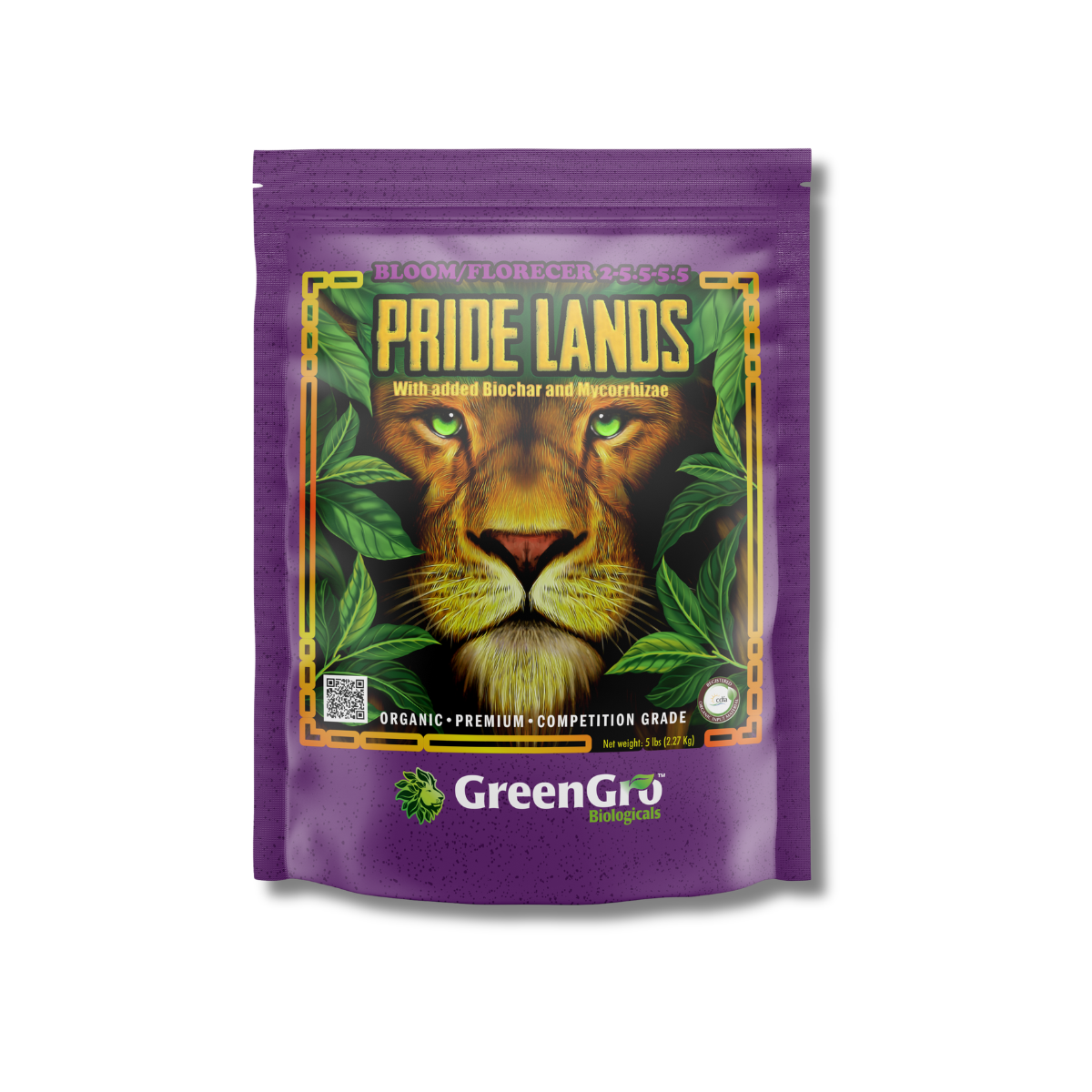
At GreenGro Biologicals, we offer fertilizers and soil biology products for gardeners exploring different growing practices.
Explore GreenGro products for summer gardening:
-
Tomato, Veggie & Herb Fertilizer: Fertilizer for edible garden crops.
-
Premium Ultrafine Myco: Mycorrhizal inoculant for compatible plants and applications.
-
Rose & Flower Fertilizer: Fertilizer for roses and other flowering plants.
The best summer gardens don't begin with doing everything at once.
They begin with choosing the right plants, preparing thoughtfully, and giving your garden consistent care.
Happy growing!