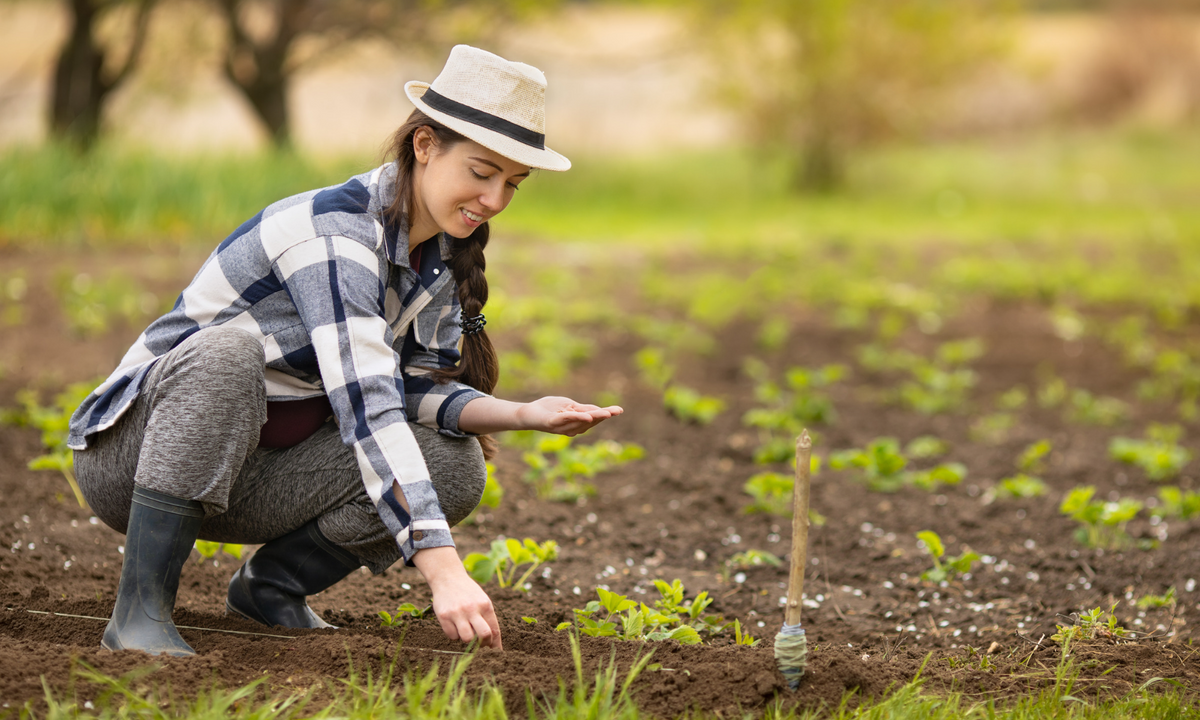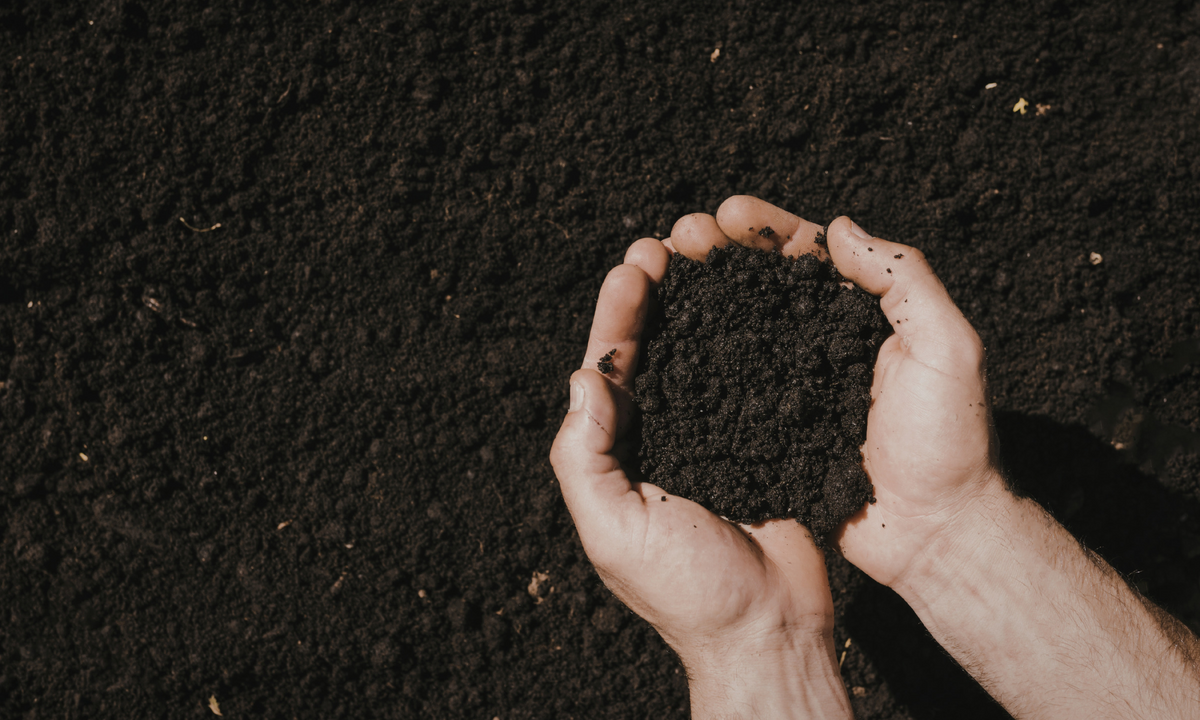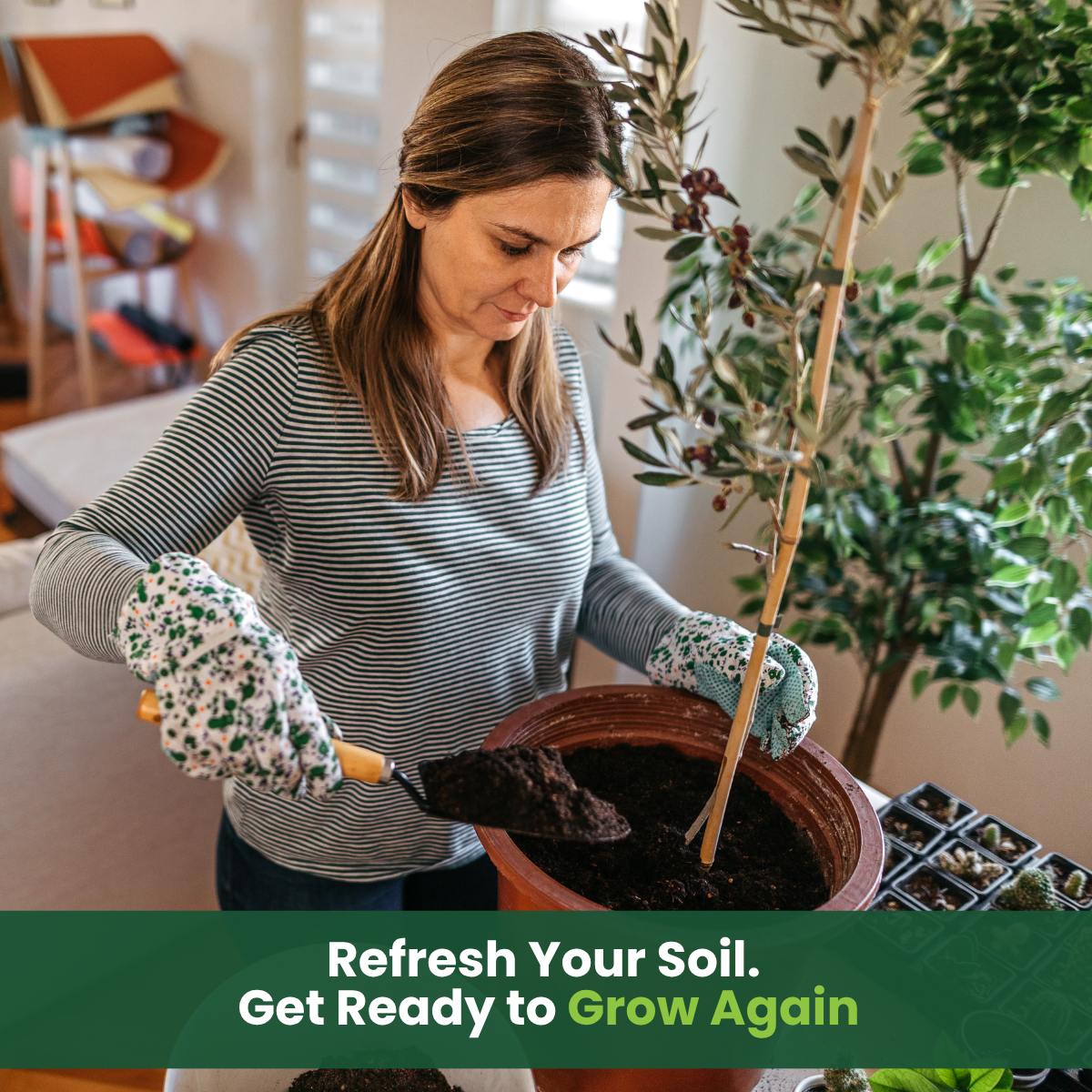

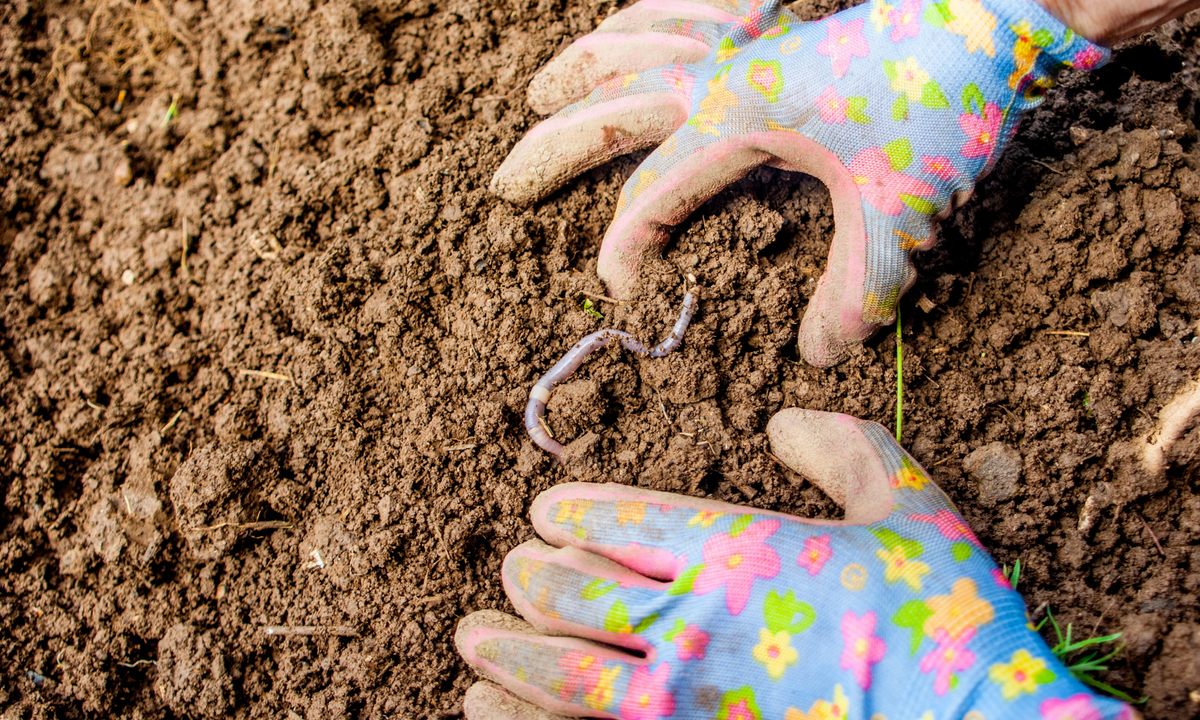
Have you ever wondered what's happening beneath your garden?
We spend plenty of time looking at leaves, flowers, vegetables, and everything growing above the ground. But beneath the surface, there's an entire ecosystem that often goes unnoticed.
Bacteria, fungi, earthworms, and other organisms interact with plant roots, organic matter, water, and minerals.
Together, they're part of what gardeners call living soil.
At GreenGro Biologicals, we're passionate about understanding these relationships and how they fit into thoughtful gardening practices.
Living soil isn't about finding one miracle ingredient. It's about understanding how soil works as a complete system.
Let's explore what makes soil biologically active, why it matters, and how different soil amendments and biological products fit into the picture.
What Is Living Soil?
Living soil is soil that contains active communities of organisms interacting with its physical and chemical components.
These communities include bacteria, fungi, protozoa, nematodes, earthworms, and many other organisms.
They participate in processes such as:
-
Organic matter decomposition
-
Nutrient cycling
-
Soil aggregation
-
Interactions with plant roots
-
Transformation of organic materials
But microorganisms aren't the only part of the story.
Healthy soil also needs appropriate physical structure, moisture, air, pH, and nutrient availability.
A soil can contain abundant microorganisms and still present difficulties for plants if drainage or nutrient conditions are unsuitable.
That's why the living soil approach looks beyond any single ingredient.
Understanding the Soil Food Web
The soil food web describes the relationships among organisms living in soil.
Different groups of organisms perform different functions, often interacting with one another.
Bacteria: Small Organisms, Important Roles
Soil bacteria are involved in numerous processes, including the decomposition of organic materials and nutrient transformations.
Some bacteria interact closely with plant roots, while others occupy different parts of the soil environment.
The composition and activity of these communities depend on factors such as moisture, temperature, soil chemistry, and available organic materials.
Fungi: More Than Mushrooms
Soil fungi include a wide variety of organisms.
Some decompose organic matter, while certain fungi form associations with plant roots.
These relationships can influence how resources move through the soil system.
However, not all fungi perform the same functions, and the presence of fungi alone doesn't establish that soil is healthy.
Earthworms and Other Soil Organisms
Earthworms and other soil-dwelling organisms can contribute to physical changes in soil as they move and process organic materials.
Their activity can influence soil structure and the distribution of organic matter.
Different soils and climates support different communities, so the presence or absence of a particular organism isn't always a complete measure of soil health.

What Are Mycorrhizal Fungi?
Mycorrhizal fungi are among the most interesting organisms associated with plant roots.
They form relationships with many plant species in which plants and fungi exchange resources.
In certain mycorrhizal associations, fungal structures extend into the surrounding soil and participate in nutrient and water exchange.
But here's an important distinction:
Not every plant forms the same type of mycorrhizal relationship.
Tomatoes, peppers, and many other garden plants can form arbuscular mycorrhizal associations.
However, crops such as broccoli and cabbage generally don't form typical arbuscular mycorrhizal relationships.
Existing soil conditions also affect whether adding an inoculant is appropriate.
Featured Product: GreenGro Granular Plus Myco
GreenGro Granular Plus Myco is a granular mycorrhizal product in our soil biology lineup.
Its formulation also includes other ingredients identified in the product description.
For gardeners interested in mycorrhizal inoculants, Granular Plus Myco is an option to explore for compatible plants and intended applications.
Before choosing a mycorrhizal product, review plant compatibility, growing conditions, and the current application instructions.

Why Organic Matter Matters in Living Soil
Organic matter is an important component of many garden soils.
It includes materials at different stages of decomposition, from recognizable plant residues to more extensively transformed organic compounds.
Organic matter can influence:
-
Soil structure
-
Water behavior
-
Nutrient cycling
-
Biological activity
-
Other soil properties
Compost and Living Soil
Mature compost is one material gardeners may use when managing soil organic matter.
Depending on its composition, compost can contribute nutrients and organic materials.
However, more compost isn't automatically better.
Excessive applications can lead to nutrient accumulation or salinity problems.
A soil test can help gardeners decide whether additional organic materials or fertilizers are needed.
What About Worm Castings?
Worm castings, or vermicompost, are produced as earthworms and associated organisms process organic materials.
Their composition varies with the materials used and the production process.
They are another option to consider when evaluating organic amendments.
The important part is selecting a material because it fits your soil's needs, not simply because it's described as natural.
What Is Biochar, and How Does It Fit Into Living Soil?
Biochar is a carbon-rich material produced by heating organic biomass under limited-oxygen conditions.
Its physical and chemical properties depend on the material used and how it was produced.
Researchers have studied biochar because of its interactions with soil structure, nutrients, moisture, and microorganisms.
However, the results vary across different soils and biochar formulations.
Biochar and Soil Microorganisms
Some biochars contain porous structures and surfaces that can interact with soil microorganisms and other soil components.
But not all biochars behave identically, and adding biochar doesn't guarantee an increase in beneficial microbial activity.
The relationship depends on the biochar, soil, climate, and growing conditions.
Featured Product: GreenGro Earthshine Biochar
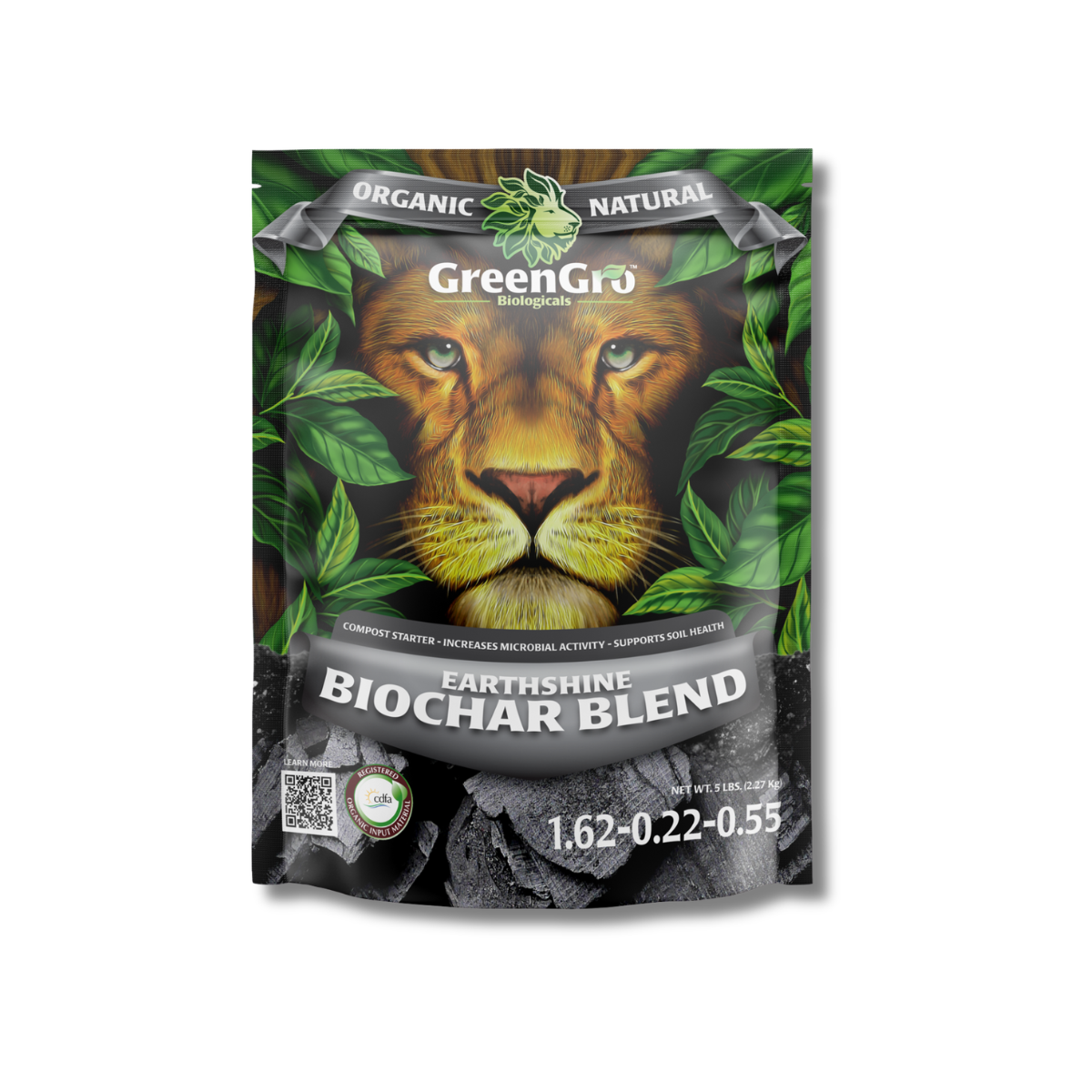
GreenGro Earthshine Biochar is a biochar-based amendment in the GreenGro soil care lineup.
It's a product to explore when learning about biochar and evaluating whether a carbon-rich amendment is appropriate for your garden.
Before using Earthshine, review its intended applications and current product directions.

Want to learn more? Explore our Earthshine Biochar guide for a closer look at the material and its role in soil management.
What About Beneficial Microbial Products?
Microbial products contain microorganisms selected for particular formulations and intended applications.
They differ from conventional fertilizers because their primary function isn't necessarily to provide a guaranteed quantity of essential plant nutrients.
But that doesn't mean they can replace fertilizers, irrigation, or suitable soil conditions.
The effectiveness and appropriateness of a microbial input depend on its composition, plant compatibility, application method, and environment.
Is Plant Nutrition Different From Soil Biology?
Yes, although the two subjects are connected.
Plants require essential mineral nutrients for normal growth.
They absorb those nutrients primarily in dissolved forms through their roots.
Soil microorganisms participate in processes that can influence nutrient availability, but plants don't depend exclusively on microorganisms for nutrient uptake.
This means plant nutrition and soil biology should be considered together without treating them as interchangeable.
Where GreenGro Green Aminos Fits In
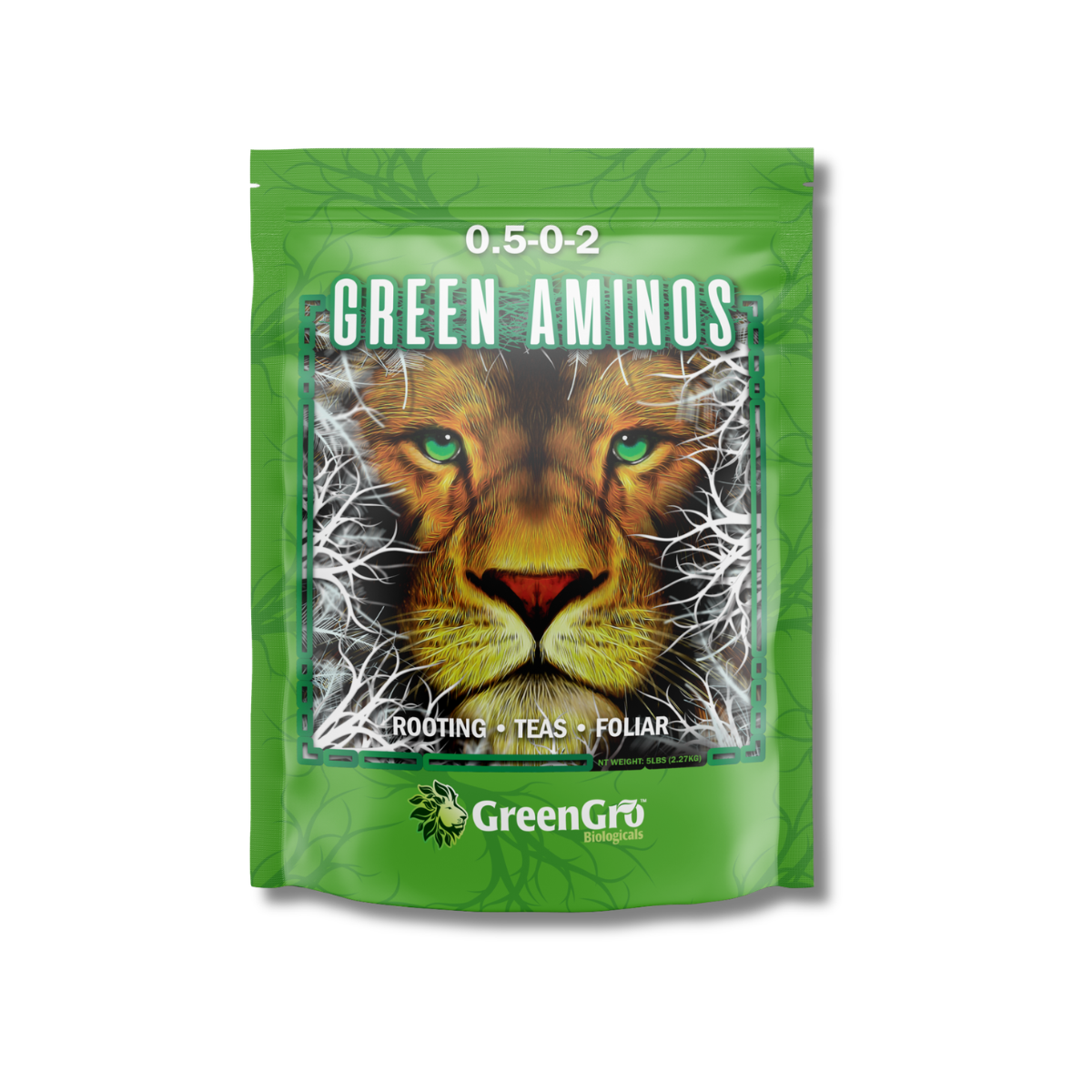
GreenGro Green Aminos is an amino acid-based product in our plant nutrition lineup.
Amino acids are components of proteins and participate in many normal biological processes.
For gardeners exploring amino acid-based inputs, Green Aminos is an option to investigate alongside other nutrient management considerations.
However, applying an amino acid product does not automatically demonstrate improved microbial activity, greater resistance to environmental stress, or better plant performance.
Follow current product directions and evaluate whether its intended use fits your growing program.

Living Soil vs. Conventional Gardening: Is There Really a Difference?
The term living soil is sometimes used to suggest that one growing system contains microorganisms while another does not.
That isn't an accurate distinction.
Most garden soils contain living organisms, including soils managed with conventional fertilizers.
The difference lies more in the management practices used and the conditions created for plants and soil communities.
Living soil approaches often emphasize:
-
Understanding soil biological processes
-
Maintaining appropriate organic matter
-
Managing nutrient availability
-
Avoiding unnecessary soil disturbance
-
Supporting suitable moisture and aeration
-
Evaluating amendments and other inputs thoughtfully
These principles can overlap with regenerative, organic, and other soil-conscious gardening practices.
No single approach automatically guarantees a more productive or biologically diverse garden.
How Can You Tell if Your Garden Soil Is Healthy?
There's no single visual test that tells you everything.
Dark soil can contain organic matter, but color alone isn't a reliable measure of soil health.
Similarly, the presence of earthworms can be informative, but it doesn't replace other assessments.
Look at Several Indicators
Soil structure: Does the soil have a suitable physical structure for roots and water movement?
Drainage: Does water move through the soil appropriately?
Compaction: Can roots penetrate the growing area?
Soil pH: Is the pH suitable for the intended crops?
Nutrients: Are essential nutrients available in appropriate amounts?
Organic matter: Does the soil have suitable organic matter for its type and intended use?
Biological activity: Are there indications of active decomposition and a functioning soil ecosystem?
Soil testing and observation together provide more useful information than any single sign.

How to Support Living Soil in Your Garden
You don't need to add every amendment or microbial product on the market to begin thinking about soil biology.
A few fundamental practices can help you manage your growing environment.
1. Test Your Soil When Appropriate
Understanding pH and nutrient levels helps you make more informed amendment and fertilizer decisions.
2. Avoid Unnecessary Compaction
Use established pathways and avoid working soil when it's excessively wet.
3. Manage Organic Matter Thoughtfully
Consider mature compost and other organic amendments according to the soil's needs.
4. Maintain Suitable Moisture and Drainage
Plant roots and soil organisms are affected by both prolonged dryness and excessive saturation.
5. Use Mulch Where Appropriate
Mulching can help reduce soil surface evaporation and moderate certain temperature changes.
6. Choose Biological Inputs Selectively
Before adding mycorrhizal inoculants or microbial products, evaluate their intended applications and plant compatibility.
7. Fertilize According to Nutrient Needs
Living soil doesn't eliminate the need for proper plant nutrition.
Use soil test information, crop requirements, and fertilizer directions to guide decisions.
For a detailed preparation process, explore our Living Soil Method: How to Improve Garden Soil Before Planting.
Frequently Asked Questions About Living Soil
What Is the Difference Between Living Soil and Regular Soil?
Living soil describes soil as an active ecosystem of organisms, organic materials, minerals, water, and air.
Most garden soils contain living organisms, so the distinction isn't simply the presence or absence of microbes.
Does Living Soil Need Fertilizer?
Sometimes.
Plants require essential nutrients regardless of the soil management system.
Supplemental fertilization depends on nutrient availability and crop needs.
Is Biochar Necessary for Living Soil?
No.
Biochar is an optional amendment that may be appropriate for certain soils and growing systems.
Healthy, biologically active soil can exist without added biochar.
Can Mycorrhizal Fungi Be Used With Every Plant?
No.
Compatibility depends on the plant and type of mycorrhizal fungus.
Not every garden plant forms the same associations.
Can You Build Living Soil in Raised Beds?
Yes.
Raised beds can support biologically active growing media when managed with suitable moisture, drainage, nutrients, and organic matter.
Does Living Soil Prevent Plant Diseases?
Living soil is not a guarantee of disease prevention.
Plant diseases depend on susceptible hosts, pathogens, environmental conditions, and other factors.
How Long Does It Take to Improve Soil Health?
It depends on the soil's initial condition and the changes you're trying to make.
Some improvements involve immediate management adjustments, while other soil properties may change over several growing seasons.
Discover the World Beneath Your Garden With GreenGro
Soil is much more than the material holding your plants in place.
It's a complex environment where minerals, organic matter, water, air, plant roots, and microorganisms interact.
Understanding those relationships can help you make more thoughtful gardening decisions.
At GreenGro Biologicals, we're passionate about soil biology, plant nutrition, and exploring the materials used in regenerative gardening.
If you're interested in learning more about biological growing practices, explore our soil and plant care products:
-
Earthshine Biochar: Biochar-based soil amendment.
-
Granular Plus Myco: Granular mycorrhizal inoculant.
-
Green Aminos: Amino acid-based plant input.
Ready to explore living soil gardening?
Discover GreenGro's Home & Garden Collection and learn more about the products available for your growing needs.
Because understanding what happens beneath the surface is an important part of becoming a better gardener.
Happy growing!