
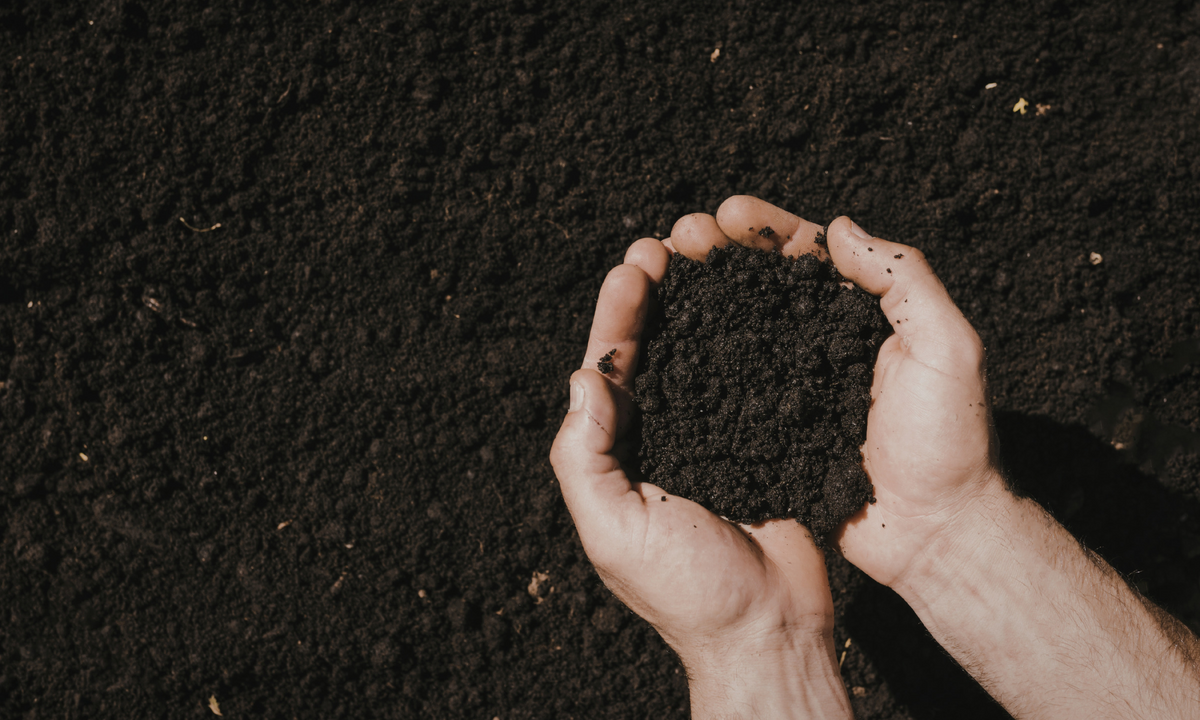
Deep in the Amazon Basin, researchers have studied something remarkable: patches of unusually dark soil with a history stretching back centuries, and in some cases much longer.
These soils are known as Terra Preta, or Amazonian Dark Earth.
Unlike many surrounding tropical soils, Terra Preta can contain substantial amounts of organic carbon and nutrients. Its characteristics reflect generations of human activity and the accumulation of materials such as charcoal, organic residues, ash, and other amendments.
It's a fascinating example of how people have influenced soil over time.
But what does an ancient Amazonian soil have to do with growing carrots, kale, and other vegetables during the cooler months?
Terra Preta offers valuable lessons about soil management, organic matter, and carbon-rich materials. However, it isn't a shortcut to frost-proof vegetables or guaranteed winter harvests.
At GreenGro Biologicals, the connection between biochar, soil biology, and regenerative gardening is an important part of our story.
Let's explore the history of Terra Preta, what modern soil science tells us, and how gardeners can apply relevant principles when preparing their fall and winter gardens.
What Is Terra Preta?
Terra Preta is a Portuguese term meaning "black earth."
It refers to dark, human-influenced soils found in parts of the Amazon Basin.
These soils are often characterized by elevated amounts of organic carbon and certain nutrients compared with nearby soils.
Researchers associate their development with historical human activities, including the accumulation of charcoal, ash, organic materials, and other residues.
Why Is Terra Preta Important?
Terra Preta is significant because it demonstrates that human land management can leave long-lasting changes in soil properties.
Its carbon-rich materials are particularly interesting to scientists studying soil fertility, carbon persistence, and agricultural sustainability.
But Terra Preta isn't a single recipe.
Its characteristics vary among locations, and researchers continue investigating how these soils formed and changed over time.
That's an important distinction when thinking about modern gardening.

The Connection Between Terra Preta and Biochar
One of the materials associated with Terra Preta is charcoal.
This historical connection has inspired modern interest in biochar.
What Is Biochar?
Biochar is a carbon-rich material produced by heating organic biomass under limited-oxygen conditions.
Depending on its feedstock and production process, biochar can have different physical and chemical characteristics.
These characteristics can influence how it interacts with soil, water, nutrients, and microorganisms.
Is Biochar the Same as Terra Preta?
No.
Biochar is a material.
Terra Preta is a complex soil that developed through historical processes involving many materials and interactions.
Adding biochar to garden soil doesn't automatically create Terra Preta.
However, studying Amazonian Dark Earths has contributed to broader scientific interest in carbon-rich soil amendments.
Three Soil Management Lessons From Terra Preta
There isn't one universal formula for recreating Amazonian Dark Earth.
Still, the research offers several useful ideas for gardeners to explore.
1. Carbon-Rich Materials Can Be Part of Soil Management
Carbon is an important component of soil organic matter.
Different carbon-rich materials behave differently.
For example, compost contains organic materials at various stages of decomposition, while some forms of biochar can persist for extended periods.
These differences are worth considering when evaluating soil amendments.
However, long-term carbon persistence doesn't automatically mean improved crop production or nutrient availability.
2. Soil Fertility Depends on More Than One Ingredient
Terra Preta contains evidence of many different materials and soil processes.
This reinforces a useful gardening principle: healthy growing conditions involve multiple factors.
Among them are:
-
Soil structure
-
Organic matter
-
Nutrient availability
-
Soil pH
-
Moisture and drainage
-
Biological activity
-
Crop requirements
No single amendment replaces all these components.
3. Soil Biology Is Part of a Larger System
Soil microorganisms participate in processes such as organic matter decomposition and nutrient cycling.
Their activity depends on temperature, water, oxygen, available materials, and other environmental conditions.
Soil biology matters, but simply adding microorganisms doesn't guarantee a specific gardening result.
The physical and chemical environment must also be suitable.
Featured Product: GreenGro Earthshine Biochar
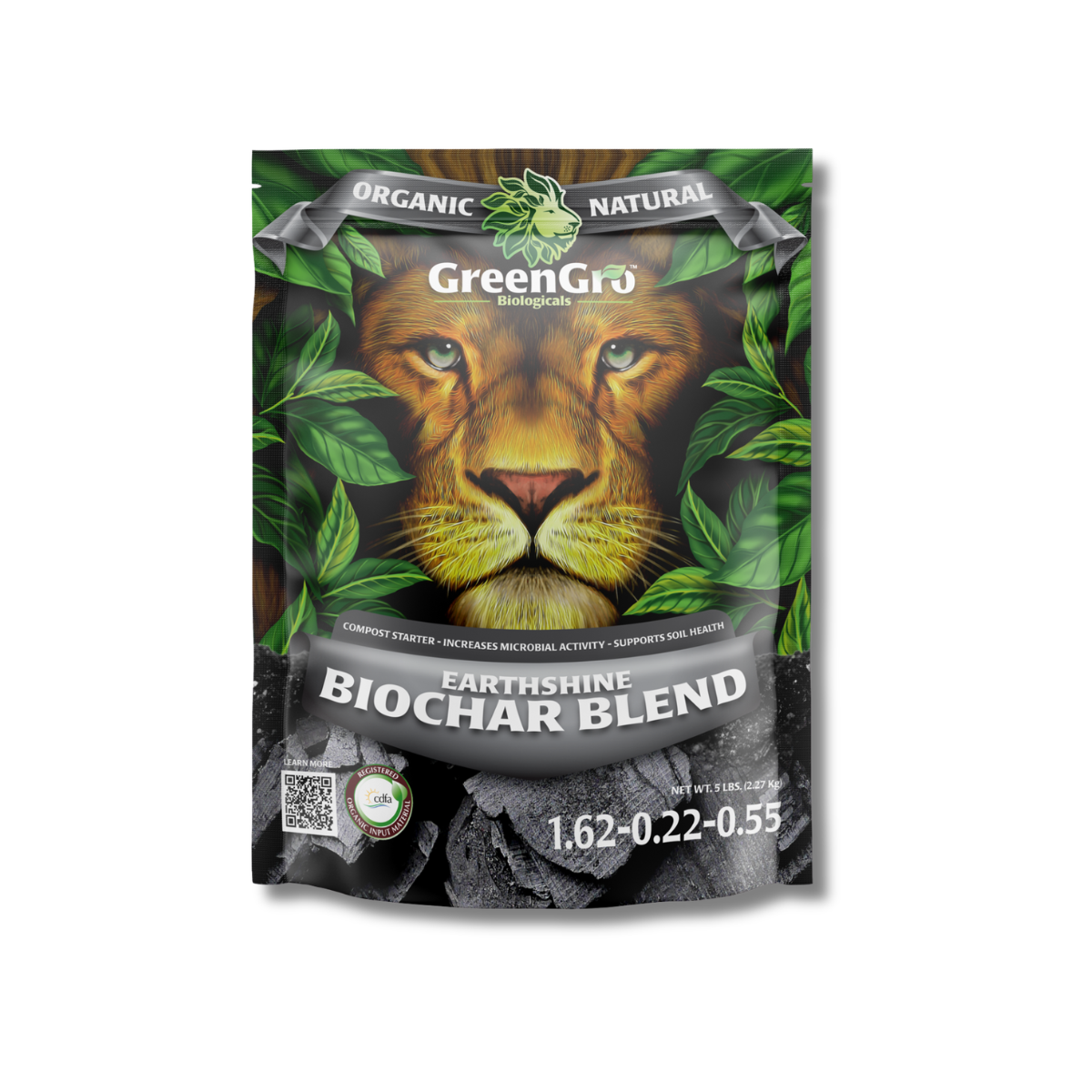
Inspired by the broader history of carbon-rich soils, GreenGro offers Earthshine Biochar.
Earthshine is a biochar-based soil amendment in our soil care lineup.
For gardeners exploring biochar as part of their soil management practices, Earthshine is an option to evaluate alongside existing soil conditions and other amendments.
When Should You Consider a Biochar Amendment?
Before adding biochar, ask:
-
What soil condition am I trying to address?
-
Have I evaluated drainage, pH, and nutrient levels?
-
Is this product appropriate for my garden soil?
-
What application method and rate does its current label recommend?
-
How will it fit into my existing soil management practices?
Biochar isn't necessary for every garden, and results depend on the specific material and growing conditions.

For a closer look at preparing garden soil, read our Living Soil Method guide.
Can Terra Preta Principles Help With Winter Gardening?
They can inform how gardeners think about long-term soil management, but winter gardening presents challenges that soil amendments alone cannot solve.
As temperatures fall and daylight decreases, plants may grow more slowly.
Some crops tolerate frost, while others can be damaged by relatively mild freezing temperatures.
The most important factors for winter gardening include crop selection, planting dates, local temperatures, soil conditions, and appropriate protection.
Adding biochar doesn't automatically raise soil temperature enough to protect plants from frost.
Likewise, biological activity in soil doesn't guarantee that vegetables will continue growing throughout winter.
The practical approach is to combine thoughtful soil preparation with realistic seasonal planning.
Which Vegetables Are Good Choices for a Winter Garden?
The best crops depend on your climate and the amount of time available before colder conditions arrive.
Carrots, Turnips, and Radishes
Root vegetables are popular fall gardening choices.
Many perform well under cooler growing conditions, provided they have sufficient time to develop.
Carrots and some other root crops may develop sweeter flavors when exposed to appropriate cool temperatures.
However, severe freezing can still damage plants.
Kale and Collard Greens
Kale and collards are popular cold-season vegetables.
Certain varieties tolerate frost and may remain harvestable for extended periods in suitable climates.
Their performance depends on the variety, local conditions, and available protection.
Spinach
Spinach prefers cooler growing conditions than many summer vegetables.
In mild climates or protected growing systems, it can be part of a fall or winter garden.
Reduced daylight and freezing temperatures may still slow or stop growth.
Broccoli, Cabbage, and Brussels Sprouts
These crops are often associated with cool-season gardening.
However, they require careful scheduling.
Brussels sprouts, for example, have a relatively long growing period and usually need to be started well before late autumn in colder regions.
For a more detailed planting calendar, explore our Fall Garden Planting Guide.
How to Prepare Garden Soil for Fall and Winter
Instead of following a fixed Terra Preta recipe, prepare your garden based on its existing conditions.
Step 1: Evaluate Your Soil
Start by checking drainage, structure, and nutrient availability.
A soil test can provide useful information about pH and nutrient levels.
If you're reusing beds from summer, consider the previous crop and any problems it experienced.
Step 2: Review Organic Matter Needs
Mature compost may be useful when additional organic matter is appropriate.
However, applying excessive quantities can contribute to nutrient imbalances.
Follow soil test recommendations where available.
Step 3: Evaluate Biochar
If you're considering Earthshine Biochar, review the product's intended use and directions.
Don't assume that every bed needs the same amount or that biochar will correct poor drainage, nutrient deficiencies, and compaction simultaneously.
Step 4: Plan Fertilization for Your Crops
Cool-season vegetables still require essential nutrients.
The amount of additional fertilizer needed depends on the crop, existing soil fertility, and growth stage.
Avoid applying fertilizer simply because the season is changing.
Step 5: Prepare for Temperature Changes
Depending on your region, consider row covers, low tunnels, cold frames, or other suitable season-extension methods.
These approaches may help manage certain environmental conditions.
Their effectiveness depends on the crop, equipment, and weather.

Choosing Fertilizers for Your Fall Garden
Gardeners often associate Terra Preta-inspired soil management with organic materials and soil biology.
But it's important to distinguish soil amendments from fertilizers.
A soil amendment may influence certain soil properties.
A fertilizer supplies essential plant nutrients.
Some products can serve more than one function, but they aren't automatically interchangeable.
Explore GreenGro Pride Lands Veg
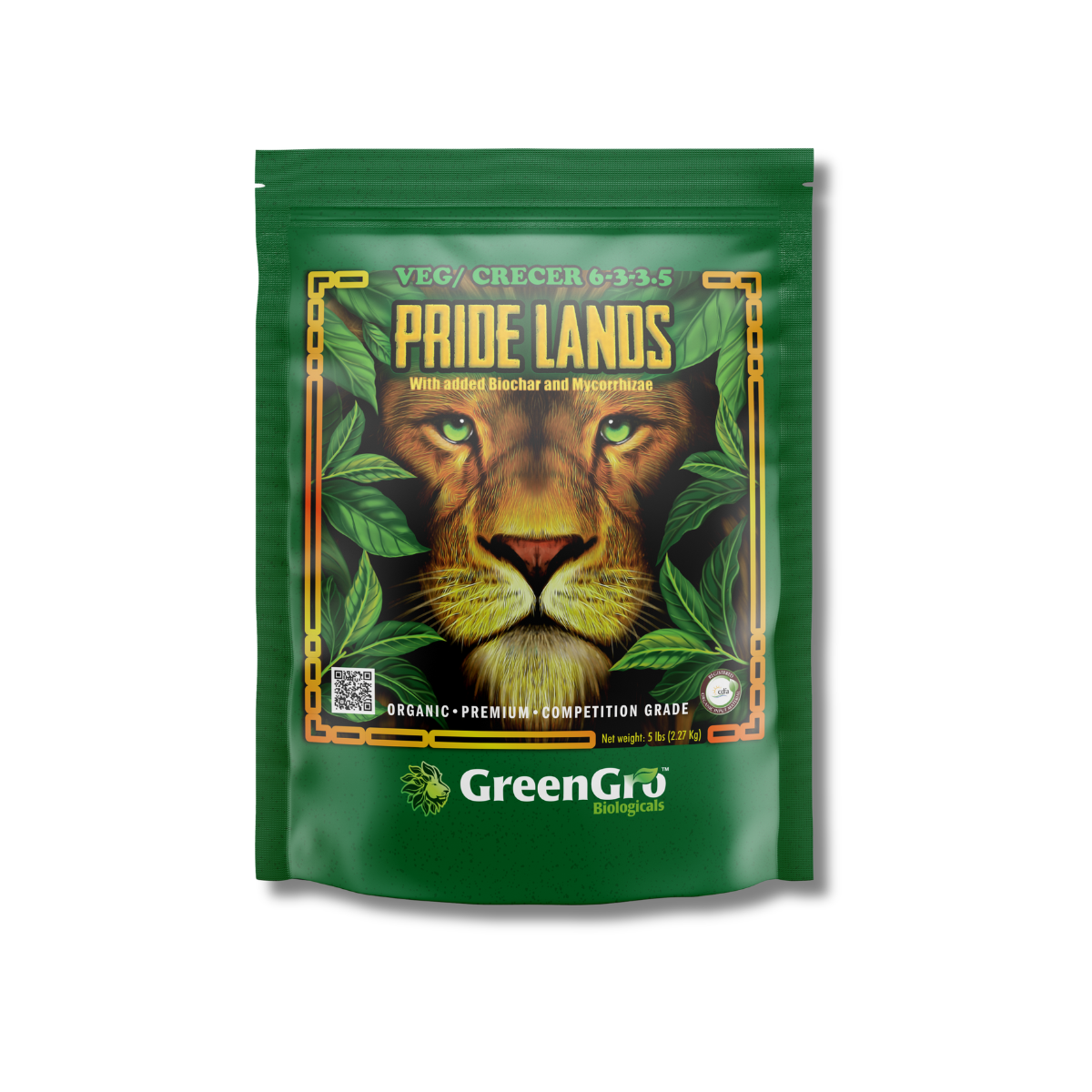
GreenGro Pride Lands Veg is a fertilizer in our plant nutrition lineup.
Its product description references inspiration from Terra Preta soils and identifies biochar among its formulation components.
For gardeners planning nutrient management for appropriate crops, Pride Lands Veg is an option to evaluate.
Review the current product label to confirm intended uses, application timing, and rates.

What About Pride Lands Bloom?
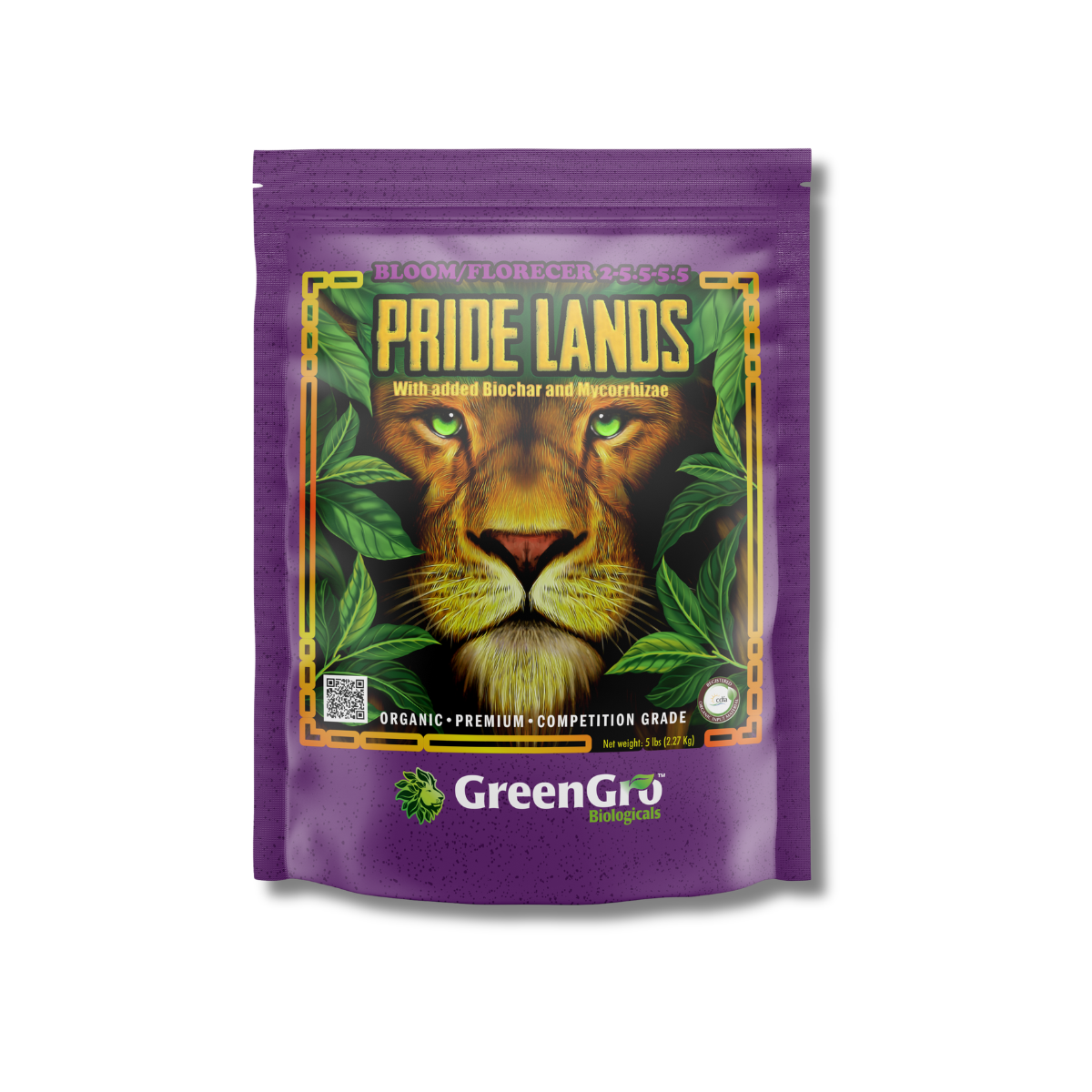
GreenGro Pride Lands Bloom is another fertilizer in the Pride Lands lineup.
When choosing between plant nutrition products, consider the intended crop, growth stage, and existing soil nutrients.
Don't assume that all fall vegetables require a bloom-focused fertilizer or that changing formulations automatically improves flowering or harvest quality.

Your Four-Week Fall Soil Preparation Plan
Want to put these ideas into practice?
Here's a simple approach that focuses on observing your garden before adding inputs.
Week 1: Understand Your Soil
- Review your local first frost date.
- Choose suitable fall or winter vegetables.
- Inspect drainage and compaction.
- Review soil test results.
- Identify which amendments, if any, are appropriate.
Week 2: Prepare the Growing Area
- Remove unwanted weeds and debris.
- Avoid working excessively wet soil.
- Consider mature compost when needed.
- Evaluate Earthshine Biochar as an optional amendment.
- Follow product directions for any applications.
Week 3: Plant According to Your Climate
- Direct sow suitable root vegetables and greens.
- Transplant appropriate cool-season crops.
- Provide sufficient spacing.
- Water newly planted seeds and transplants as needed.
- Prepare season-extension equipment if necessary.
Week 4: Monitor and Adjust
- Check soil moisture regularly.
- Observe plant establishment.
- Monitor temperature forecasts.
- Avoid unnecessary fertilizer applications.
- Adjust frost protection according to conditions.
Your timing may shift with local weather.
That's part of gardening.
Does Biochar Make Soil Better Every Year?
Not automatically.
Certain biochars can persist in soil for long periods, but long-term persistence is not the same as continuously increasing fertility.
The effects of an amendment depend on its properties, the existing soil, management practices, and environmental conditions.
Some soil improvements develop over several growing seasons.
Others may require additional management or may not produce the expected result.
A practical approach is to monitor soil conditions and plant performance over time rather than assuming that a particular amendment will eventually make fertilizer unnecessary.

Frequently Asked Questions About Terra Preta and Winter Gardening
What Is Terra Preta Soil?
Terra Preta, also called Amazonian Dark Earth, refers to dark, human-influenced soils found in parts of the Amazon Basin.
These soils are associated with historical human activities and the accumulation of carbon-rich and other materials.
Is Terra Preta the Same as Biochar?
No. Biochar is a carbon-rich material, while Terra Preta is a complex soil formed through multiple processes.
Does Biochar Make Vegetables More Resistant to Frost?
There isn't sufficient evidence to promise that applying biochar will make garden vegetables frost-resistant.
Cold tolerance depends primarily on plant species, variety, growing conditions, and weather.
Can Biochar Keep Garden Soil Warm During Winter?
Biochar may affect certain soil properties under specific conditions, but gardeners should not assume that an application will produce a particular increase in soil temperature or extend their growing season.
Do Winter Vegetables Need Fertilizer?
They require essential nutrients, but supplemental fertilizer isn't always necessary.
Decisions should reflect soil nutrient levels, crop requirements, and product directions.
Can You Grow Vegetables Throughout Winter?
In some climates, yes.
Crop selection, planting timing, available daylight, temperature, and season-extension methods all affect what is possible.
Is October Too Late to Start a Winter Garden?
That depends on where you live.
In mild regions, October may still offer planting opportunities. In colder areas, many crops need to be established earlier.
What Ancient Amazonian Soils Can Teach Modern Gardeners
Terra Preta is an extraordinary part of agricultural history.
It reminds us that soil properties can reflect long-term interactions among organic materials, minerals, microorganisms, and human management.
But its greatest lesson isn't that gardeners can recreate ancient Amazonian soil with one ingredient.
It's that soil deserves attention as a complete system.
At GreenGro Biologicals, we're inspired by the connections between carbon-rich amendments, plant nutrition, and soil biology.
If you're interested in exploring products related to these concepts, learn more about:
-
Earthshine Biochar: Biochar-based soil amendment.
-
Pride Lands Veg: Fertilizer for vegetative-stage nutrient management.
-
Pride Lands Bloom: Fertilizer in the Pride Lands nutrition lineup.
Ready to explore Terra Preta-inspired gardening?
Start by understanding your soil, choosing appropriate crops, and evaluating which amendments fit your growing conditions.
Ancient agricultural history has plenty to teach us. The next step is applying those lessons thoughtfully in our own gardens.
Happy growing!