

Filters
5 products

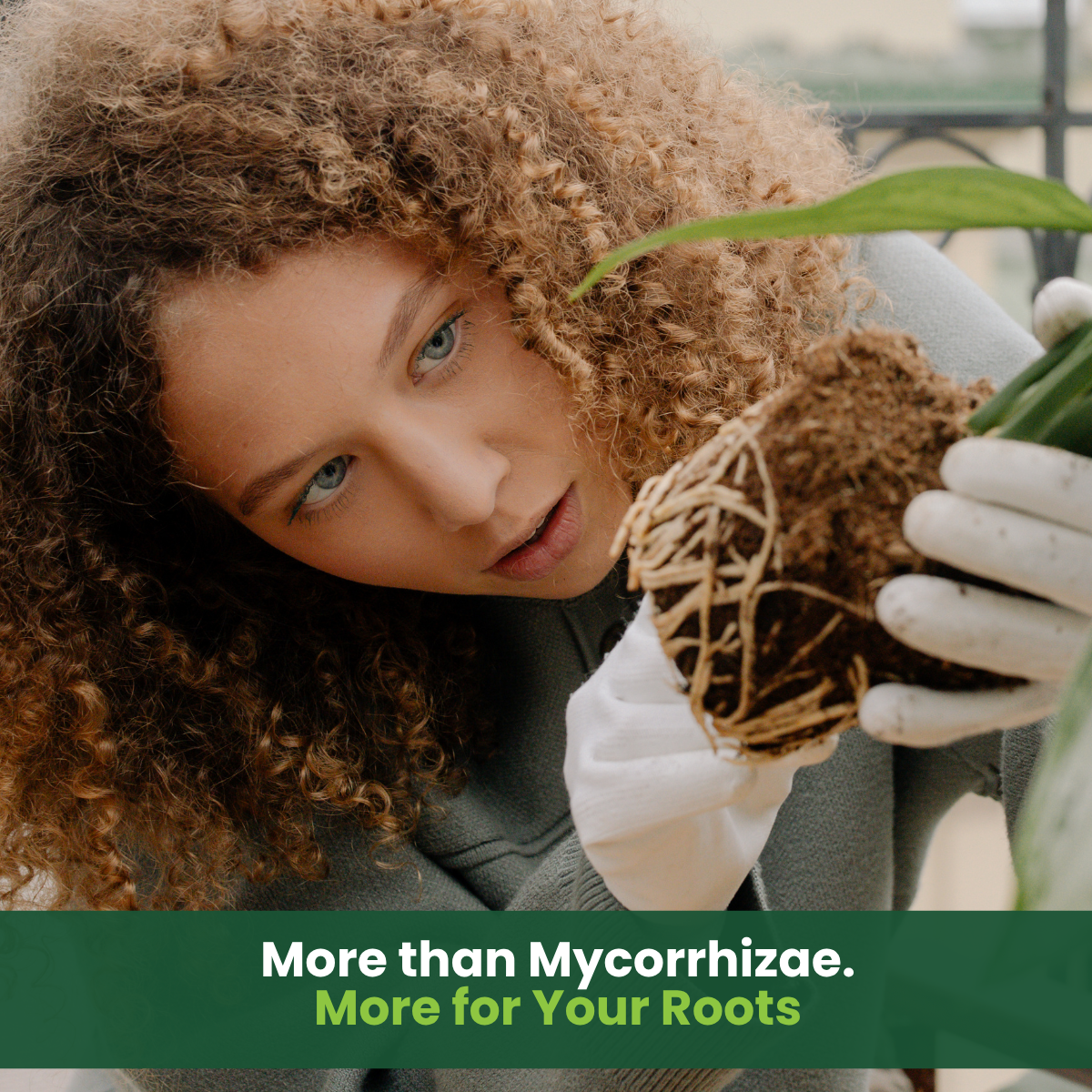
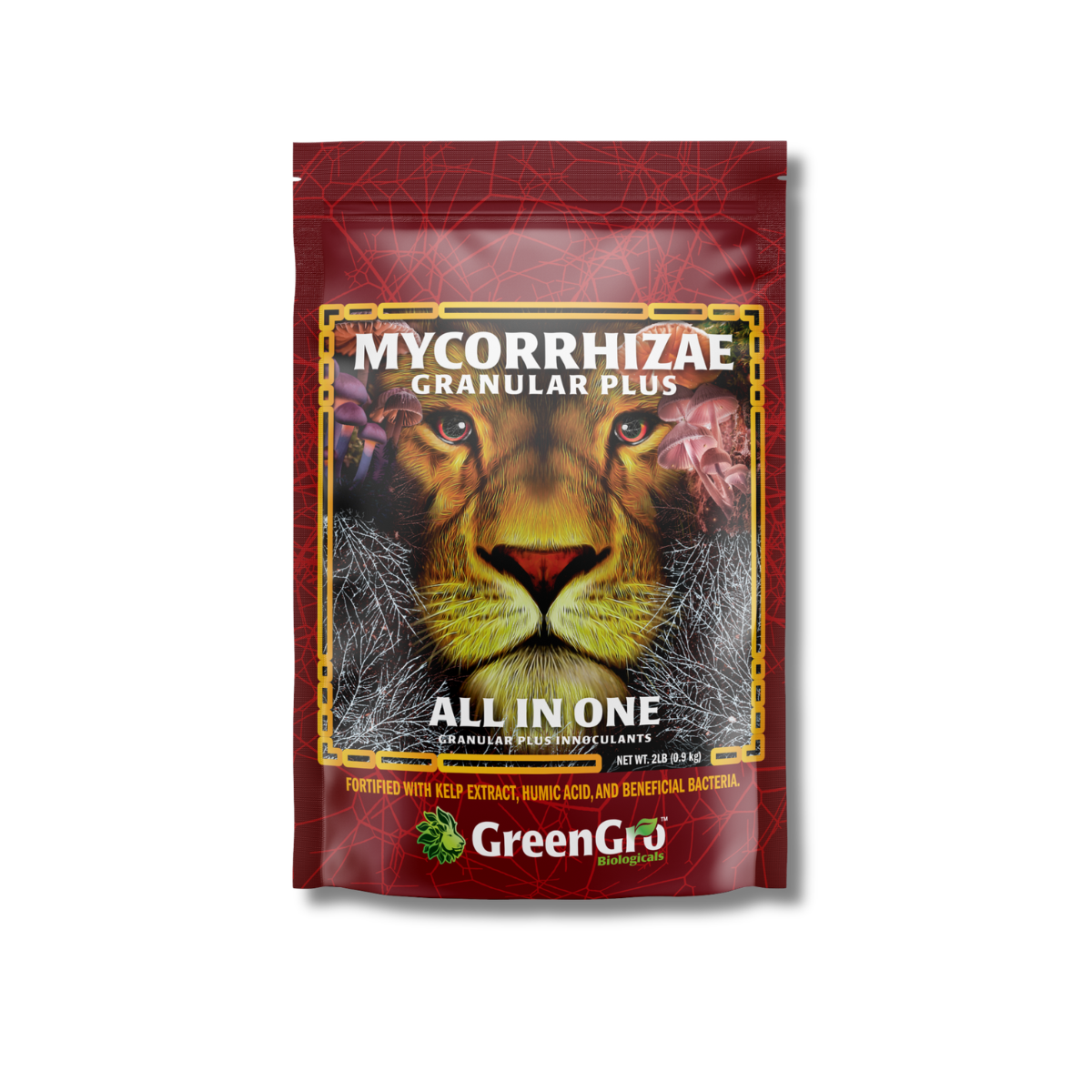
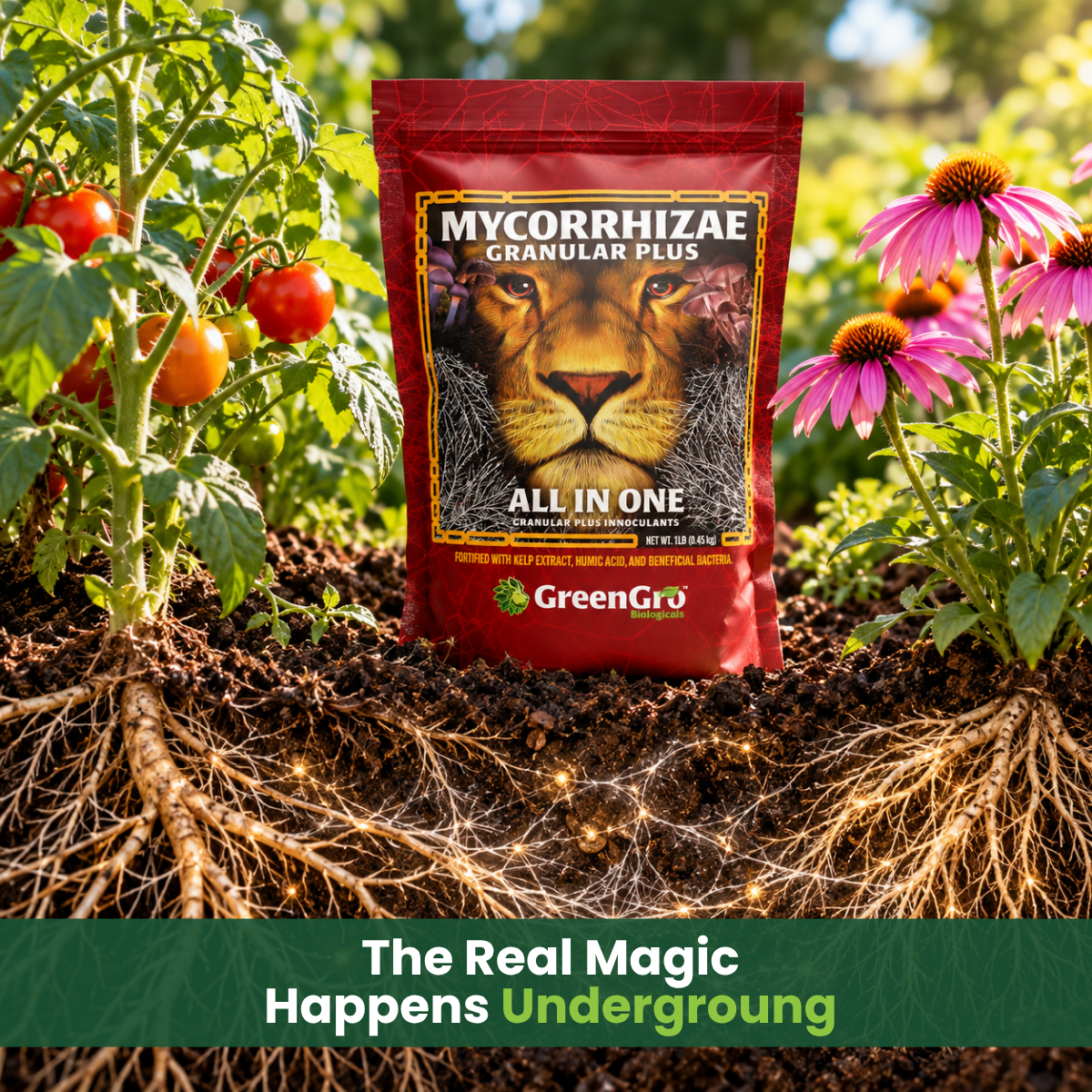
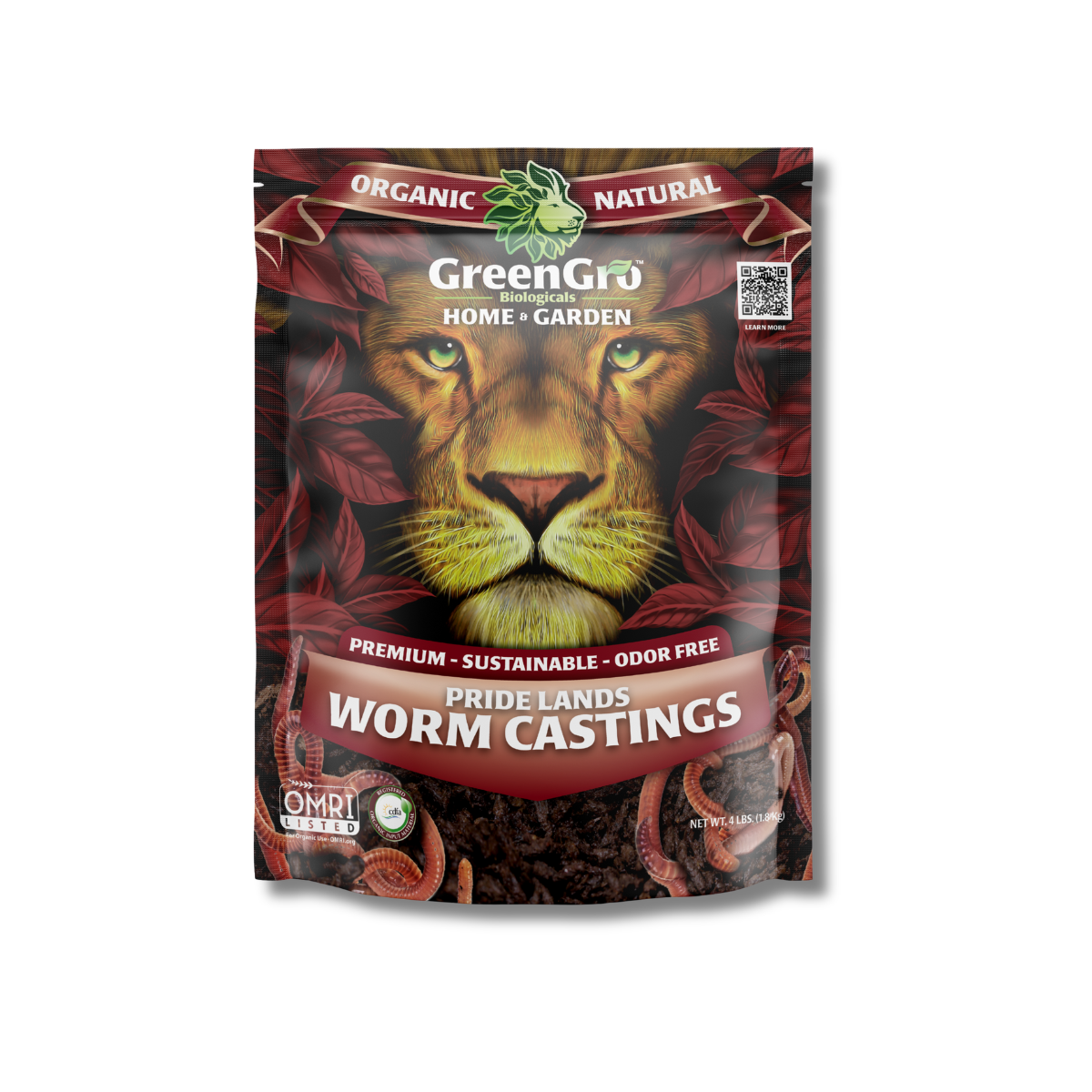
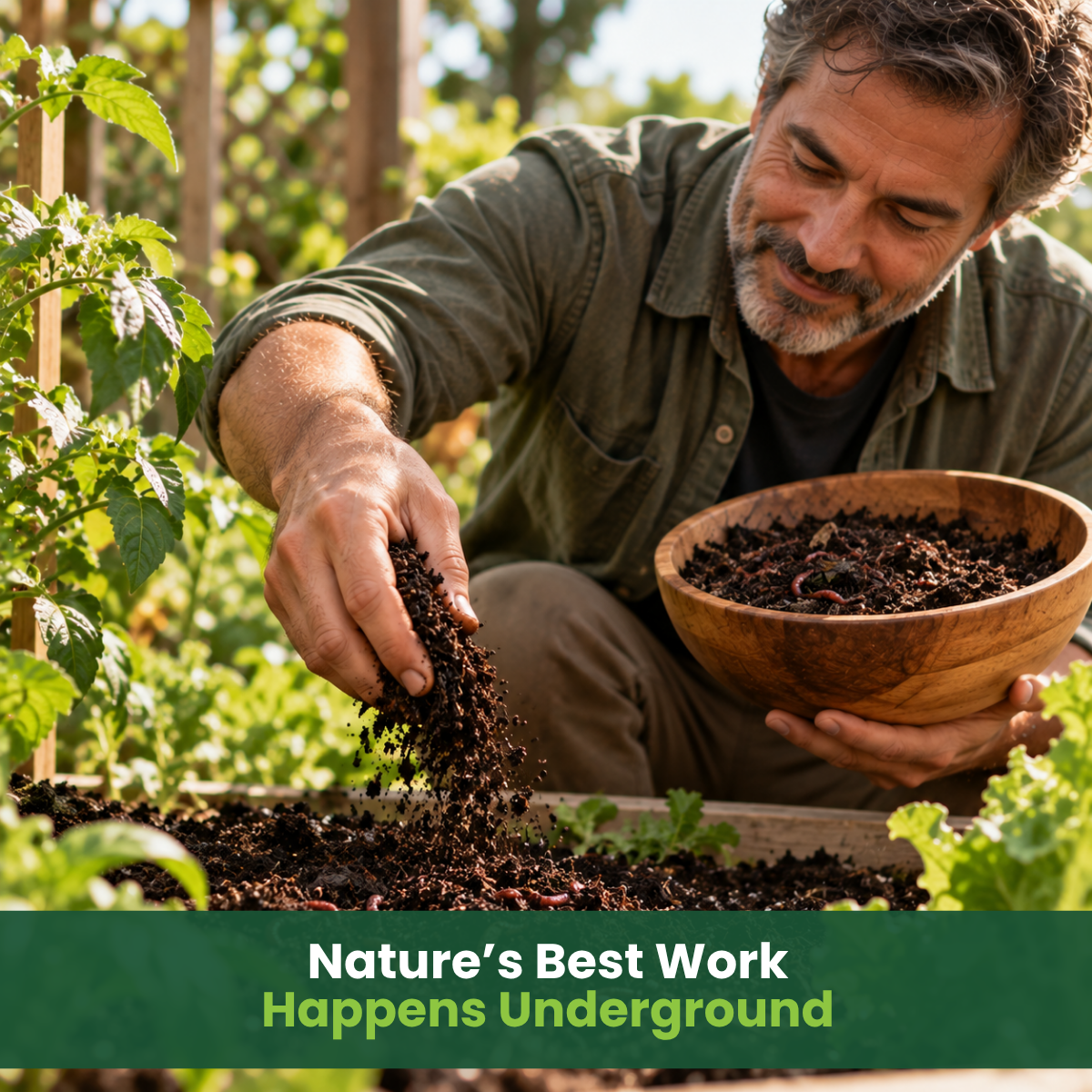
What Are Soil Amendments?
Healthy plants begin with healthy soil. Soil amendments are materials added to soil to improve its physical, chemical, or biological properties, helping create a better environment for roots and plant growth.
Depending on the amendment, they can help improve soil structure, support nutrient availability, retain moisture, or encourage beneficial microbial activity.
Unlike fertilizers, which primarily supply nutrients to plants, soil amendments focus on improving the growing environment itself. Some products can serve both purposes.
Whether you're starting a new garden, refreshing old soil, or improving an existing growing medium, choosing the right amendment starts with understanding what your soil needs.
Related Growing Resources
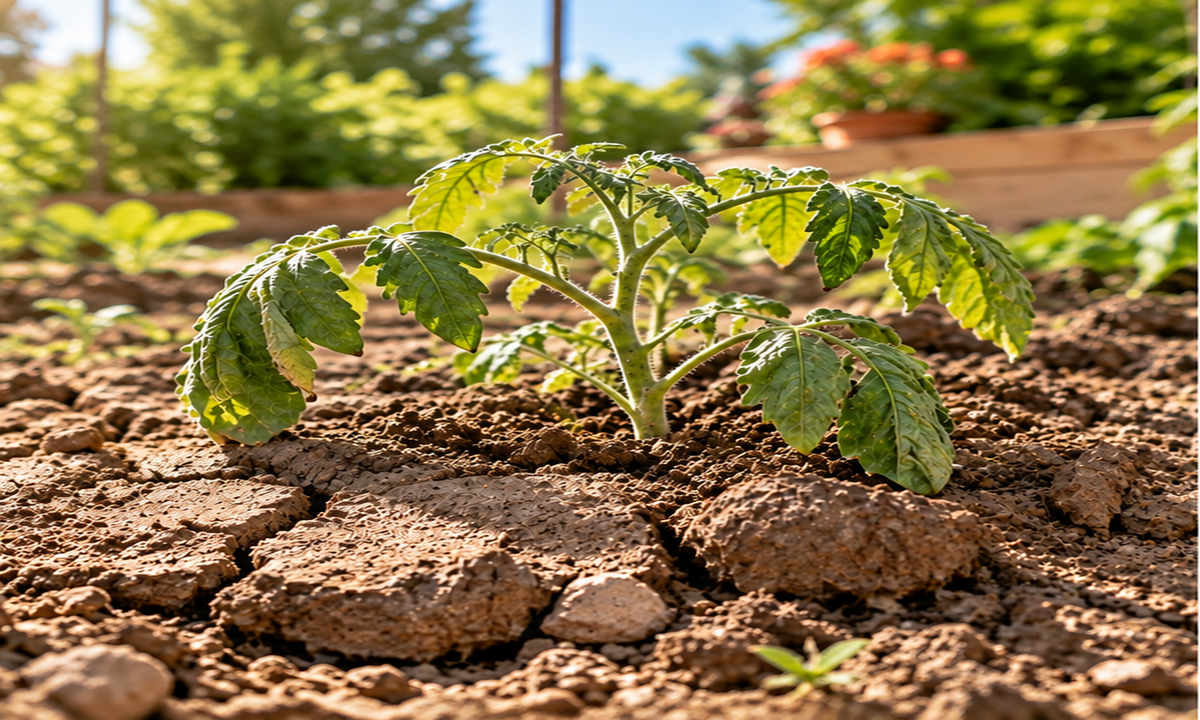
Compacted Soil
Learn what causes soil compaction and how to improve growing conditions.

Reusing Old Soil
Discover how to prepare previously used soil for another growing season.
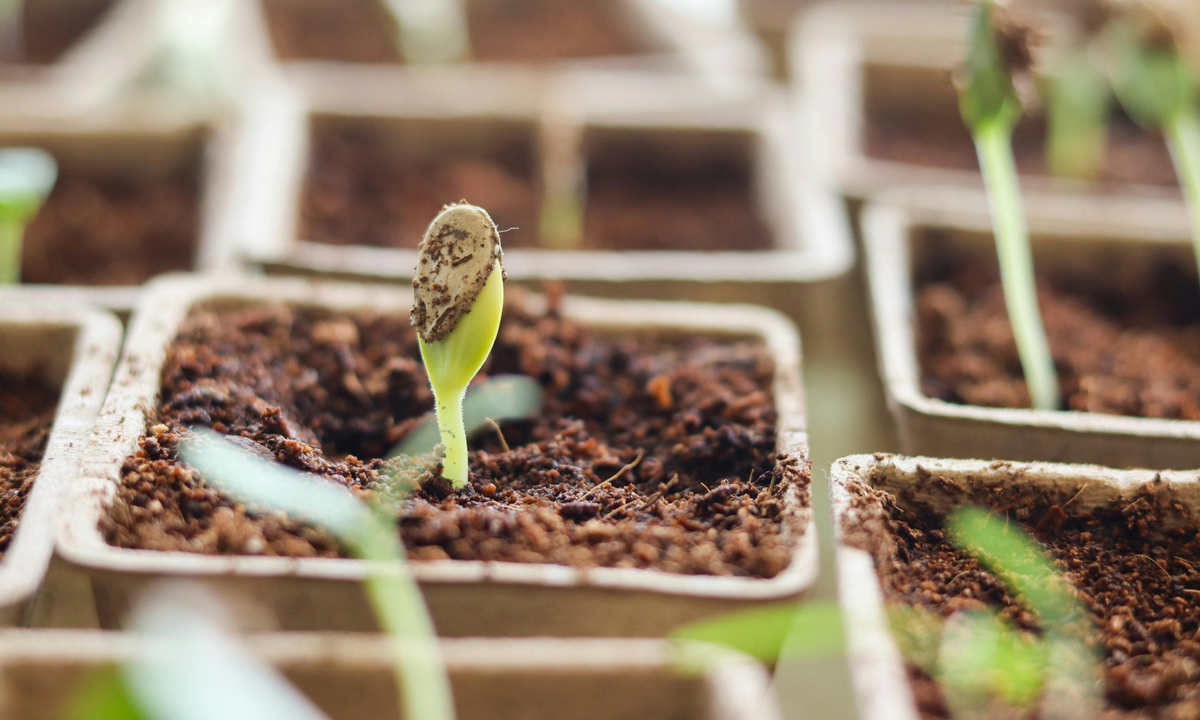
Understanding Biochar for Garden Soil
Discover how biochar can support soil structure, moisture retention, and a healthier growing environment.
FAQ
What is the difference between soil amendments and fertilizers?
Fertilizers primarily provide nutrients to plants, while soil amendments are used to improve soil properties such as structure, moisture management, and biological activity. Some products can function as both, depending on their composition and use.
When should I add soil amendments?
Soil amendments are often incorporated before planting or when preparing soil for a new growing cycle. Some can also be applied during active growth. Always follow the specific product instructions and consider your soil's existing condition.
Can soil amendments be used in containers and raised beds?
Many soil amendments can be used in containers and raised beds, but suitability and application rates vary by product. Choose amendments appropriate for your growing medium and follow the manufacturer's recommendations.
How do I know which soil amendment my garden needs?
Start by identifying your soil's main challenge, such as poor drainage, compaction, low organic matter, or nutrient availability. A soil test and an assessment of your growing conditions can help guide your selection.