

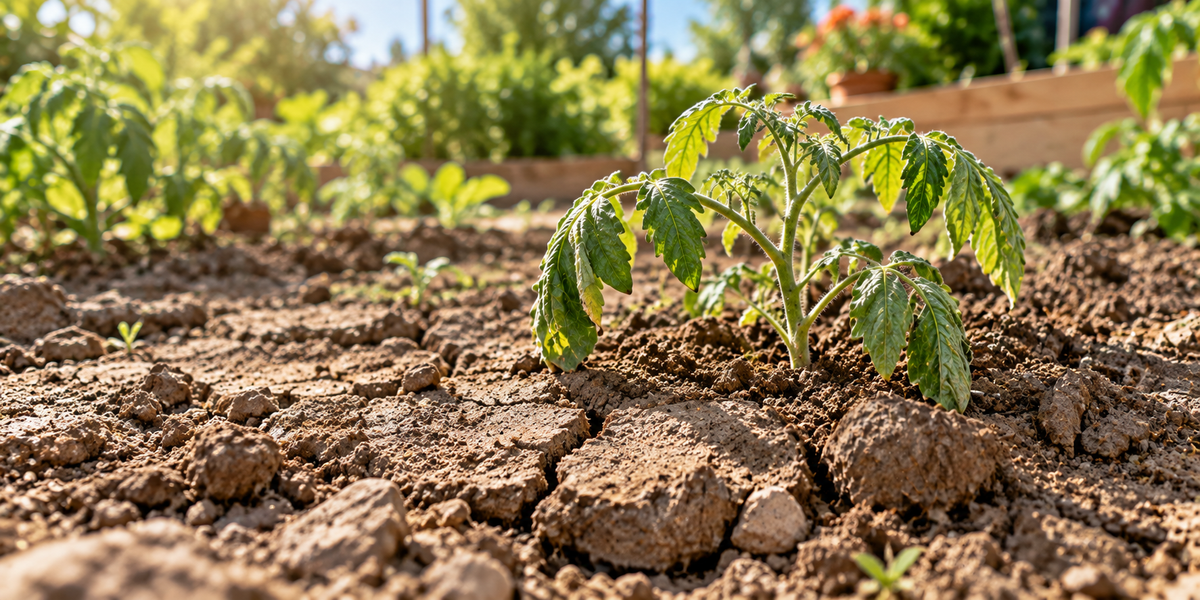
Plant & Soil Problem Solver
Is Compacted Soil Holding Your Plants Back?
Healthy roots need room to grow. Let's give your soil some breathing space.
Hard, dense soil can make it difficult for water, air, and roots to move freely. Discover how to recognize soil compaction, understand what's causing it, and create better growing conditions from the ground up.
When Soil Gets Too Dense, Roots Struggle to Thrive
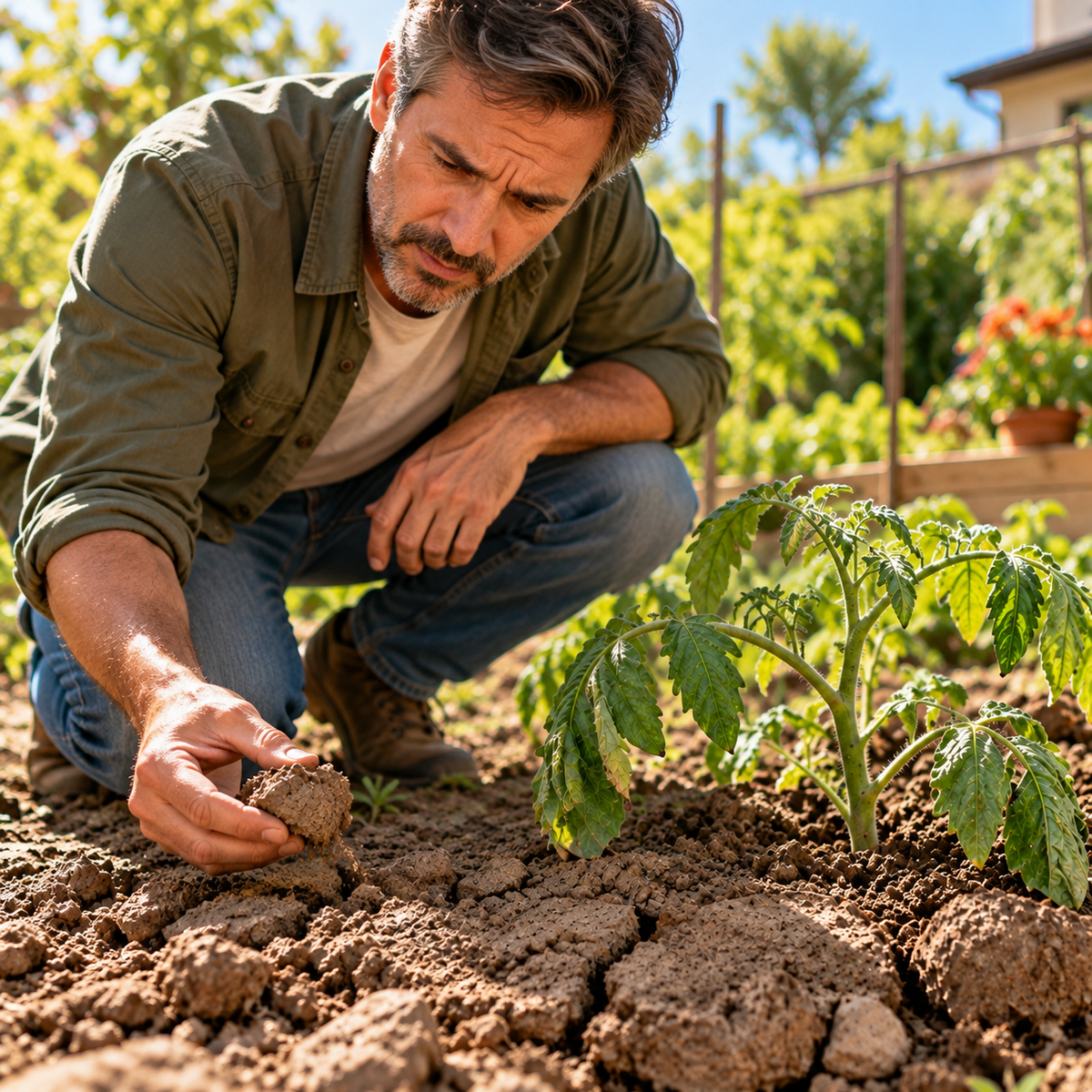
Healthy soil isn't just dirt. It's a living environment made up of minerals, organic matter, water, air, and countless organisms.
Between soil particles are tiny spaces called pores. These spaces allow water to move, oxygen to reach roots, and beneficial soil organisms to function.
When soil becomes compacted, those spaces shrink.
As a result, roots may have difficulty expanding, water may infiltrate more slowly, and oxygen availability can decrease.
Over time, compacted soil can contribute to poor drainage, shallow root development, and slower plant growth.
The goal isn't simply to loosen the surface. It's to create soil conditions where roots, water, air, and biology can work together.
What's Causing Your Soil to Become Compacted?
01
Heavy Foot Traffic
Repeated walking or working on garden beds compresses soil particles, especially when the ground is wet.
02
Working Soil When It's Too Wet
Digging, tilling, or handling wet soil can damage its natural structure and create dense layers as it dries.
03
Low Organic Matter
Soils with insufficient organic matter may have less stable aggregation, making them more vulnerable to compaction.
04
Heavy Equipment or Repeated Pressure
Machinery, wheelbarrows, and other concentrated loads can compress soil below the surface.
05
Poor Soil Structure
Soil with weak aggregation may become dense or crusted, restricting water infiltration and root growth.
06
Repeated Compression in Containers
Potting mixes can settle and lose pore space over time, particularly when the growing medium breaks down or is repeatedly compressed.
5 Steps Toward Healthier, Greener Growth
Step 1: Identify the Compacted Areas
Look for hard soil, slow water infiltration, surface crusting, or roots that struggle to penetrate the ground. Check soil moisture before judging how hard it is.
Step 2: Reduce Foot Traffic and Pressure
Avoid stepping directly on planting beds. Use designated paths and keep heavy equipment off growing areas whenever possible.
Step 3: Improve Soil Structure with Organic Matter
Incorporate suitable, well-finished compost when establishing or renovating beds, and maintain organic mulch to support soil structure over time.
Step 4: Loosen Soil Carefully When Needed
For severely compacted garden beds, gentle loosening with a garden fork or broadfork may help restore pore space. Avoid working wet soil or unnecessarily disturbing established roots.
Step 5: Support Long-Term Soil Health
Keep soil covered, encourage root growth, and maintain conditions that support beneficial soil organisms and stable soil aggregates.
Give Your Soil the Structure It Needs to Thrive
- Keep garden beds protected: Use designated walking paths to reduce repeated compression.
- Avoid working wet soil: Wait until soil is workable before digging or cultivating.
- Add organic matter thoughtfully: Compost and suitable organic amendments can help support soil aggregation.
- Keep soil covered: Mulch and cover crops can protect the surface and support soil life.
- Encourage healthy roots: Growing plants and their root systems contribute to soil structure over time.


Remember: Compacted soil doesn't always need aggressive tilling. Long-term improvements often come from reducing pressure and supporting natural soil-building processes.
GreenGro Can Help
Better Soil Structure Starts with Better Soil Care
Compacted soil can limit root development, water movement, and oxygen availability. Improving those conditions is an important part of building a healthier growing environment.
Depending on your soil's needs, these GreenGro products may complement your soil improvement plan.
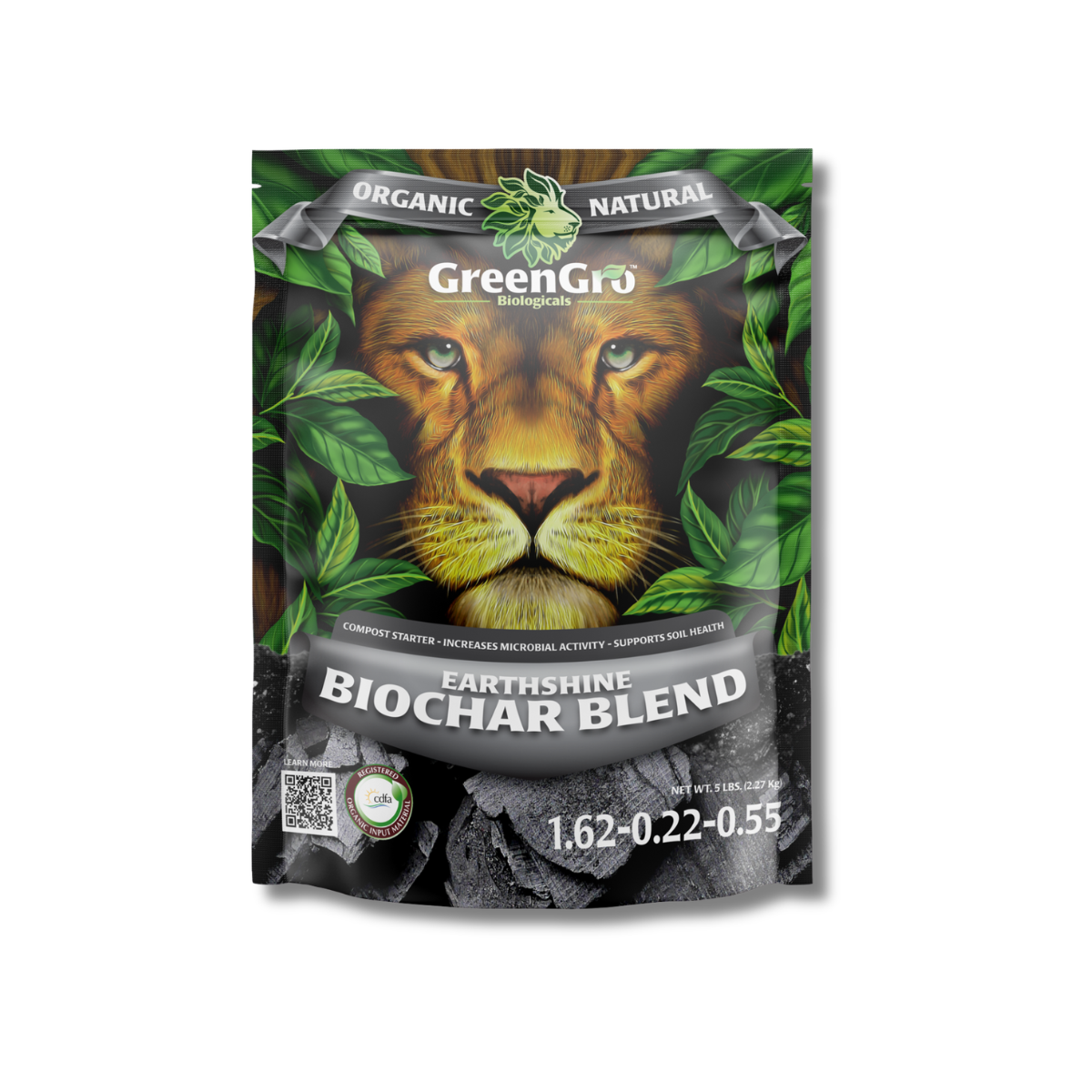
Earthshine Biochar
A biochar-based soil amendment that can contribute to moisture and nutrient retention in suitable soil mixes as part of a broader soil improvement approach.
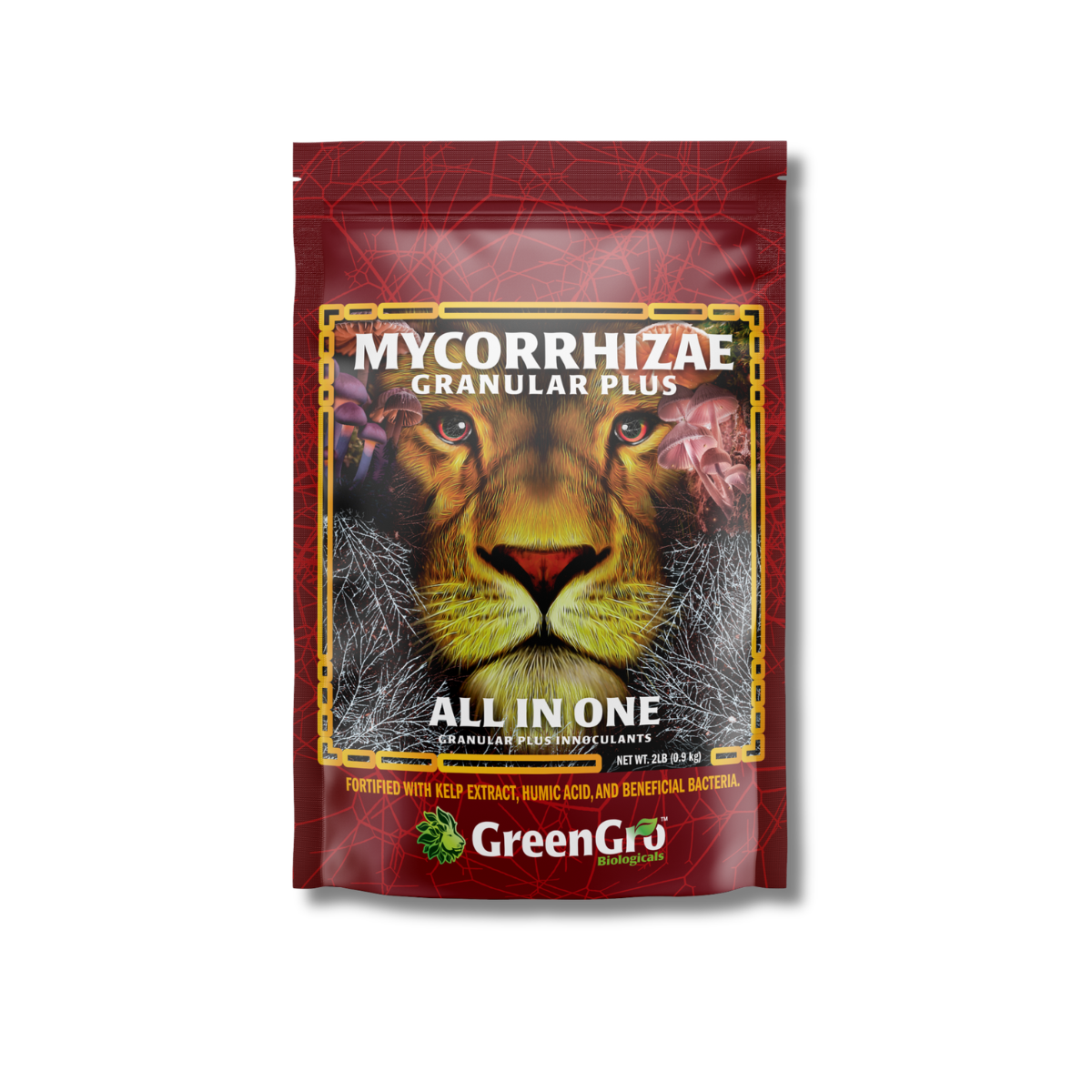
Granular Plus Myco
A premium granular biological amendment suited to planting and transplanting applications.
Still Need Help With Your Plant?
Not sure what's going on? We're happy to help!
Reach out to us at info@thegreengro.com, and let's get your garden back on track.