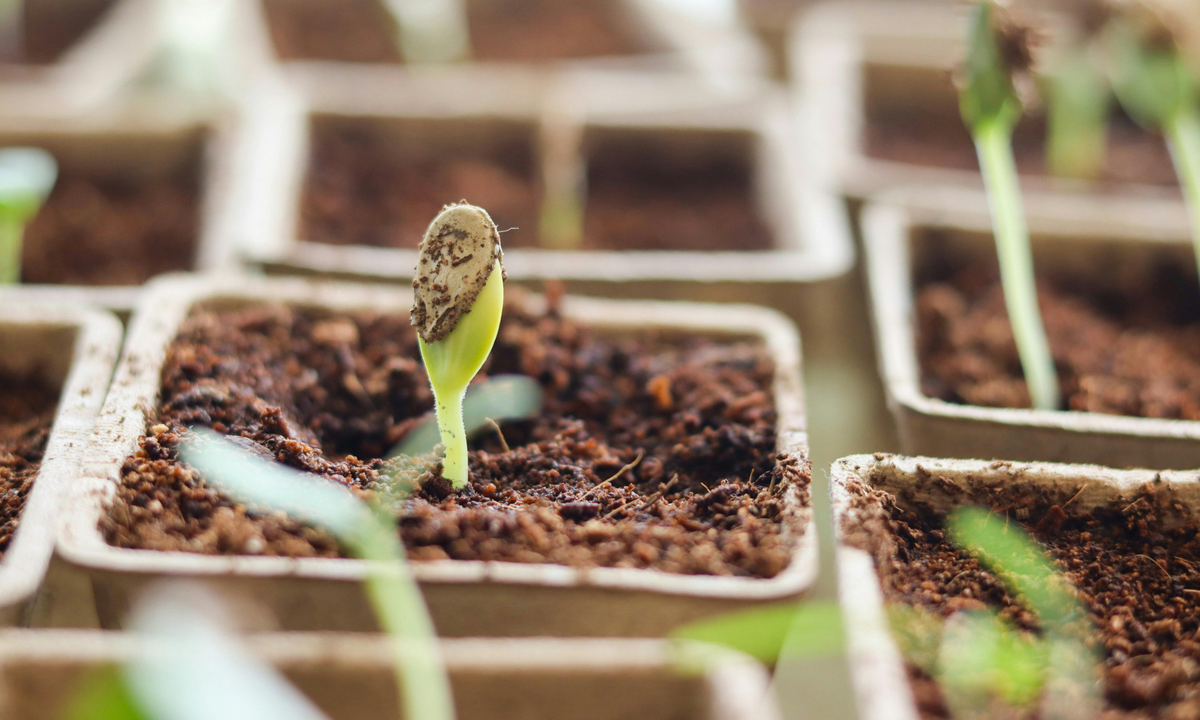

February may still feel like the middle of winter, but for many gardeners, it's time to start thinking about spring planting.
Even if your garden beds are still too cold or wet to work, you can begin preparing certain cool-season vegetables indoors.
Broccoli, cabbage, and leeks are excellent crops to consider, depending on your growing region and expected last frost date.
But what about spinach and peas? And how do you know which seeds are worth starting indoors versus planting directly in the garden?
Let's explore which cool-season crops to consider in early February, how to start them, and where GreenGro products can fit into your growing routine.
Why Start Cool-Season Vegetables in February?
Cool-season vegetables are crops that grow well in relatively mild or cool temperatures.
Many tolerate conditions that would be unsuitable for warm-season plants such as tomatoes and peppers.
Starting certain crops indoors can give gardeners more control over their early growing environment and allow transplants to develop before outdoor planting conditions are suitable.
However, February isn't the right starting month for every crop or climate.
The timing depends on:
-
Your expected last spring frost date.
-
The crop's recommended indoor starting period.
-
How quickly the seedlings develop.
-
The conditions in your garden.
-
Whether the crop tolerates transplanting.
The best approach is to work backward from your intended outdoor planting date using the instructions on your seed packet.
1. Broccoli: A Great Crop to Start Indoors
Broccoli is a popular cool-season vegetable that can be started indoors before spring planting.
In many climates, gardeners begin broccoli seeds approximately four to six weeks before transplanting outdoors.
Broccoli Seed Starting Tips
-
Use clean containers with drainage holes.
-
Choose a suitable seed starting medium.
-
Maintain the germination temperature recommended for your variety.
-
Provide adequate light after seedlings emerge.
-
Avoid overcrowding.
-
Harden off seedlings before outdoor transplanting.
Broccoli generally grows best during cooler weather, so timing matters when planning for spring.
If temperatures become too warm as plants mature, crop development may be affected.
2. Cabbage: Plan for Spring Transplanting
Cabbage is another cool-season crop commonly started indoors.
Like broccoli, cabbage belongs to the brassica family.
Starting seeds indoors allows you to prepare transplants ahead of suitable outdoor growing conditions.
Cabbage Seed Starting Tips
-
Follow the variety's recommended sowing depth.
-
Maintain appropriate moisture without saturating the medium.
-
Provide adequate light once seedlings emerge.
-
Thin seedlings when necessary.
-
Allow time for gradual outdoor acclimation before transplanting.
Keep in mind that cabbage plants can become quite large as they mature.
Plan garden spacing before transplanting.

3. Leeks: A Good Choice for Early Indoor Starting
Leeks are particularly interesting for gardeners planning their February seed-starting schedule.
Because they develop relatively slowly, they are often started indoors well before their intended outdoor planting date.
For gardeners in cooler regions, January or February may be appropriate, depending on the growing season.
Leek Seed Starting Tips
-
Sow seeds in a fine-textured starting medium.
-
Maintain consistent moisture during germination.
-
Provide suitable light after emergence.
-
Avoid letting seedlings become excessively crowded.
-
Follow variety-specific recommendations for transplanting.
Leeks require patience, but they're a useful crop to consider when planning an early-season vegetable garden.
4. Spinach: Often Better Planted Directly Outdoors
Spinach is a classic cool-season crop, but it isn't always the best candidate for indoor seed starting.
In many gardens, spinach performs well when direct-sown into cool, workable soil.
Because it develops a taproot and may be sensitive to root disturbance, direct sowing is often more practical than transplanting.
Spinach Planting Tips
-
Check whether your garden soil is workable.
-
Follow the recommended sowing depth.
-
Maintain appropriate soil moisture.
-
Avoid overcrowding.
-
Plan for cooler growing temperatures.
If outdoor conditions are still unsuitable, use February to prepare your planting area and monitor soil temperatures.
There's no need to start every cool-season crop indoors.
5. Peas: Consider Direct Sowing Instead
Peas are another cool-season favorite, especially for gardeners eager to begin spring vegetable planting.
However, they are often best planted directly in the garden rather than started in indoor trays.
Peas generally tolerate cool growing conditions and can be sown when the soil is workable and temperatures are appropriate.
Pea Planting Tips
-
Choose a variety suited to your growing region.
-
Prepare a well-draining planting area.
-
Follow the seed packet's spacing and depth recommendations.
-
Provide support for climbing varieties.
-
Avoid planting in saturated soil.
If you garden in a region with particularly challenging spring conditions, container starting may be possible, but it requires careful root handling.
For many gardeners, direct sowing is the simpler option.
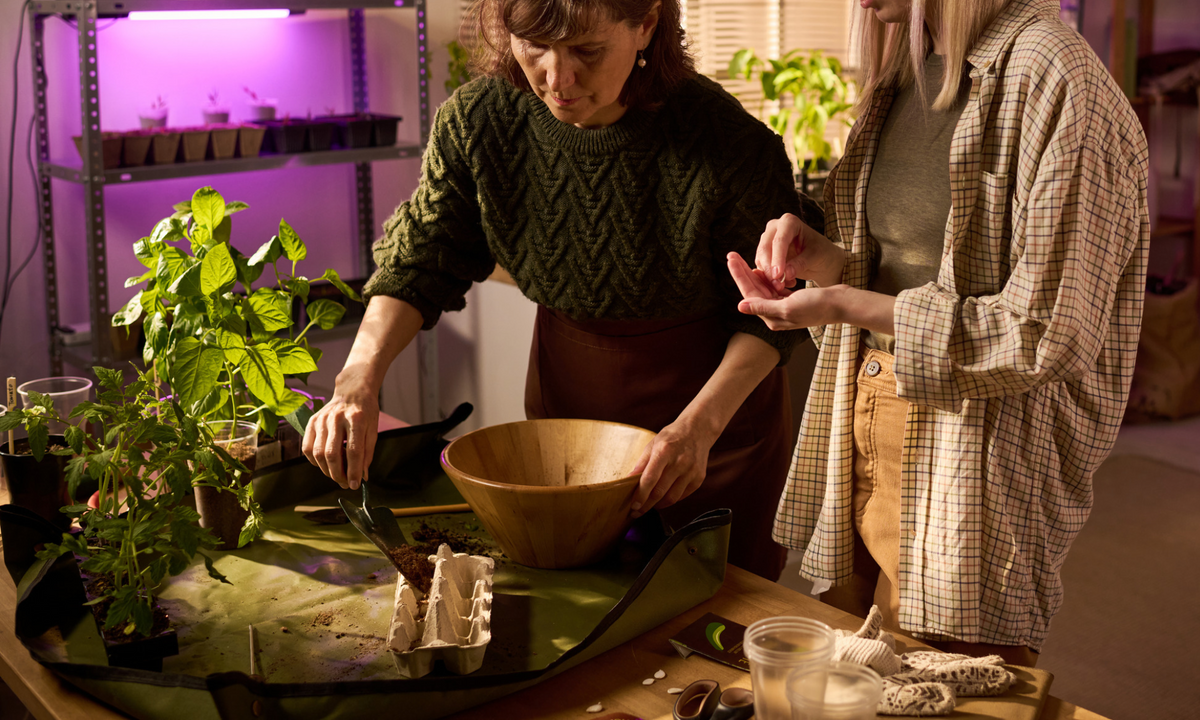
6. Prepare Your Indoor Seed Starting Setup
Once you've chosen the crops that make sense for your climate, it's time to get your growing area ready.
You don't need an elaborate setup.
A few essentials include:
-
Seed trays or small containers with drainage.
-
An appropriate seed starting medium.
-
Plant labels.
-
A watering tray or gentle watering tool.
-
Adequate light.
-
A thermometer for monitoring growing conditions.
A grow light can be particularly useful during winter when natural light is limited.
Follow the manufacturer's recommendations for light positioning and duration.
Choosing the Right Growing Medium
Seeds need appropriate moisture, air, and temperature to germinate.
For small seeds and young seedlings, a clean, fine-textured seed starting mix is often preferable to a dense potting soil.
A suitable medium helps gardeners manage moisture and drainage in small containers.
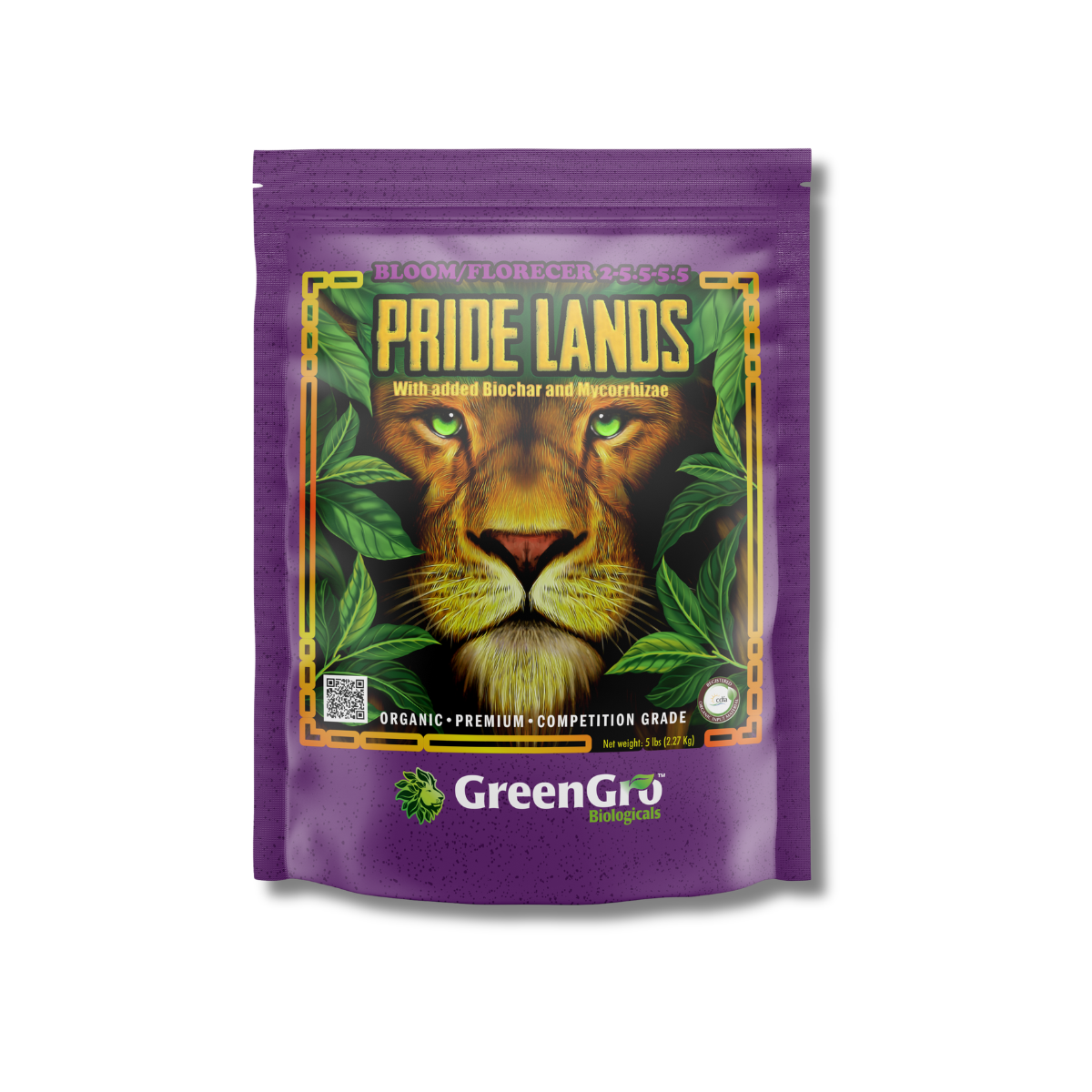
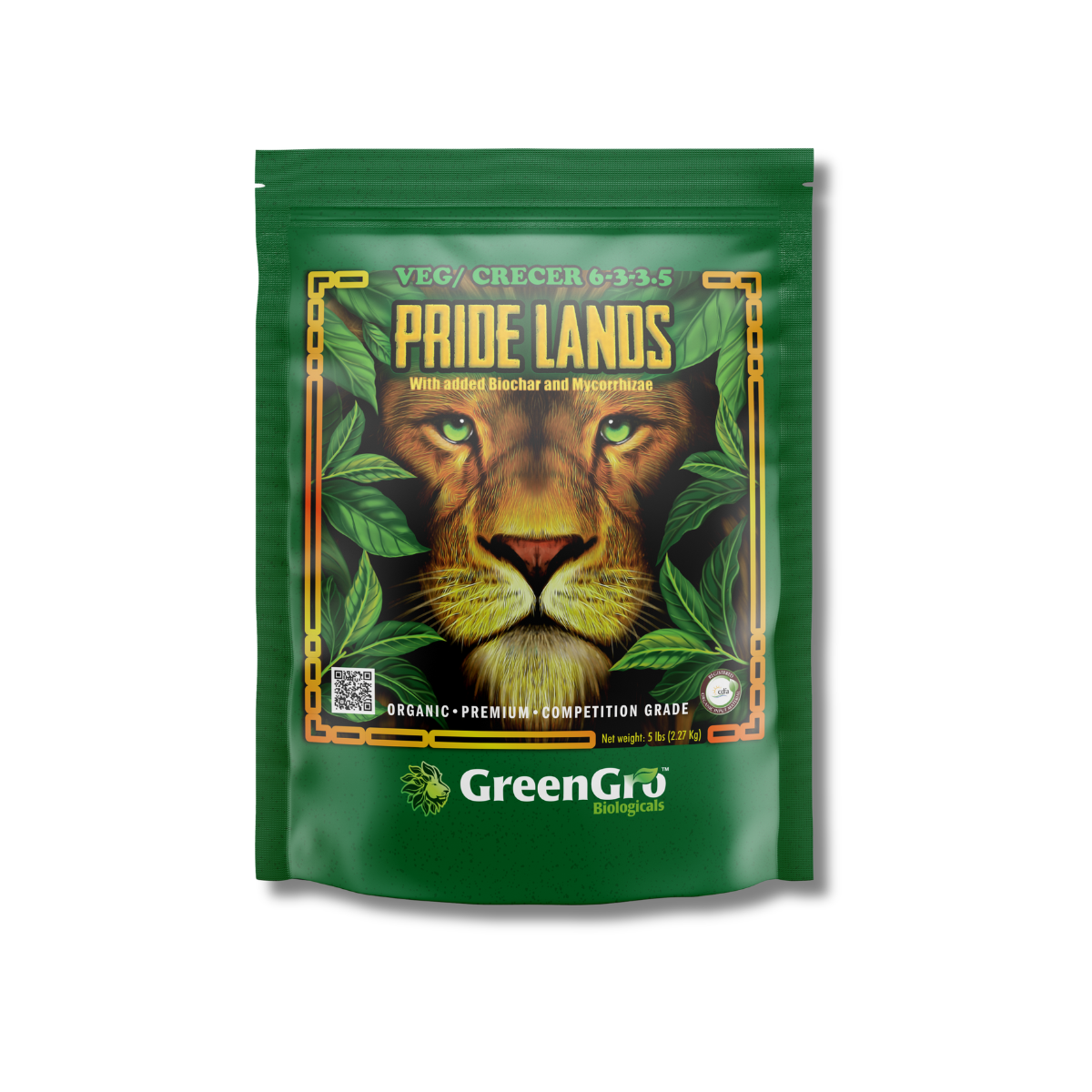
Explore GreenGro Pride Lands Premium Potting Soil
As your seedlings grow and become ready for larger containers, it's worth evaluating a potting mix suited to the next stage.
GreenGro Pride Lands Premium Potting Soil is one of the growing media available in the GreenGro lineup.
It provides an option to explore when preparing containers for plant growth.
Because potting soils are not necessarily formulated for germinating delicate seeds, check the product's characteristics and intended uses before selecting a medium.

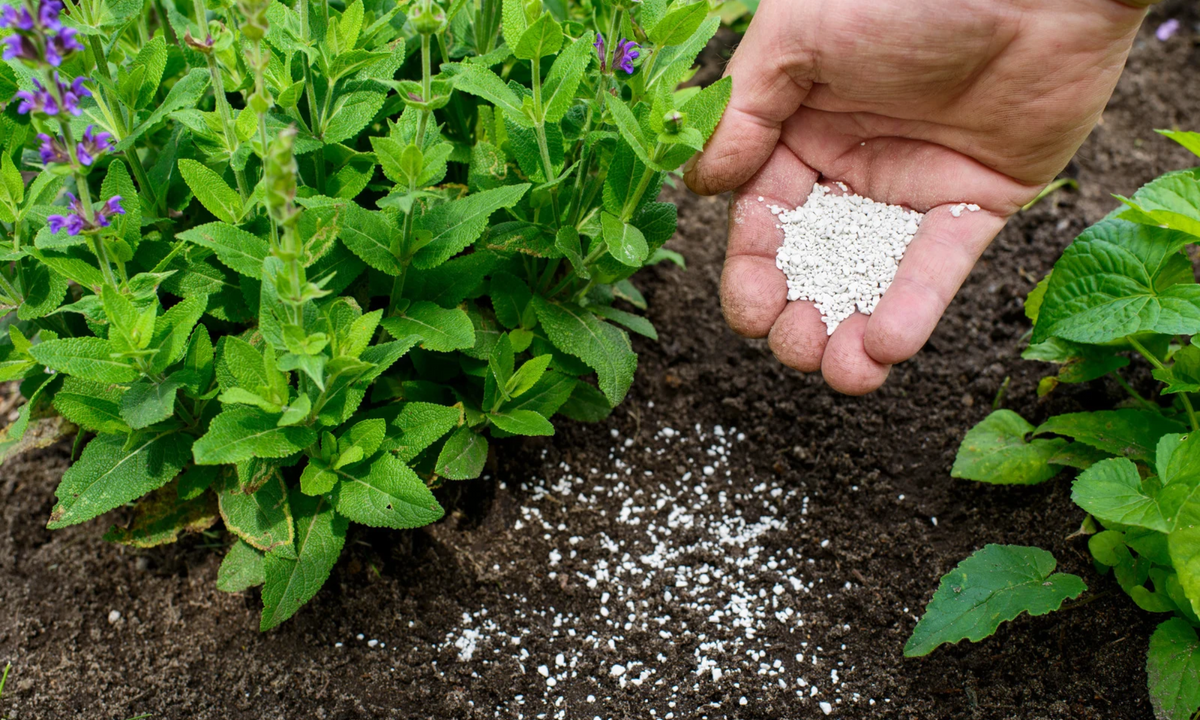
7. When Should You Begin Feeding Seedlings?
One common mistake is assuming that seeds need fertilizer immediately.
Most seeds contain stored resources that support initial germination and early development.
Additional fertilizer generally isn't necessary before germination.
As seedlings develop true leaves and continue growing, their nutrient requirements change.
Whether supplemental nutrition is appropriate depends on the growing medium, the crop, and its stage of development.
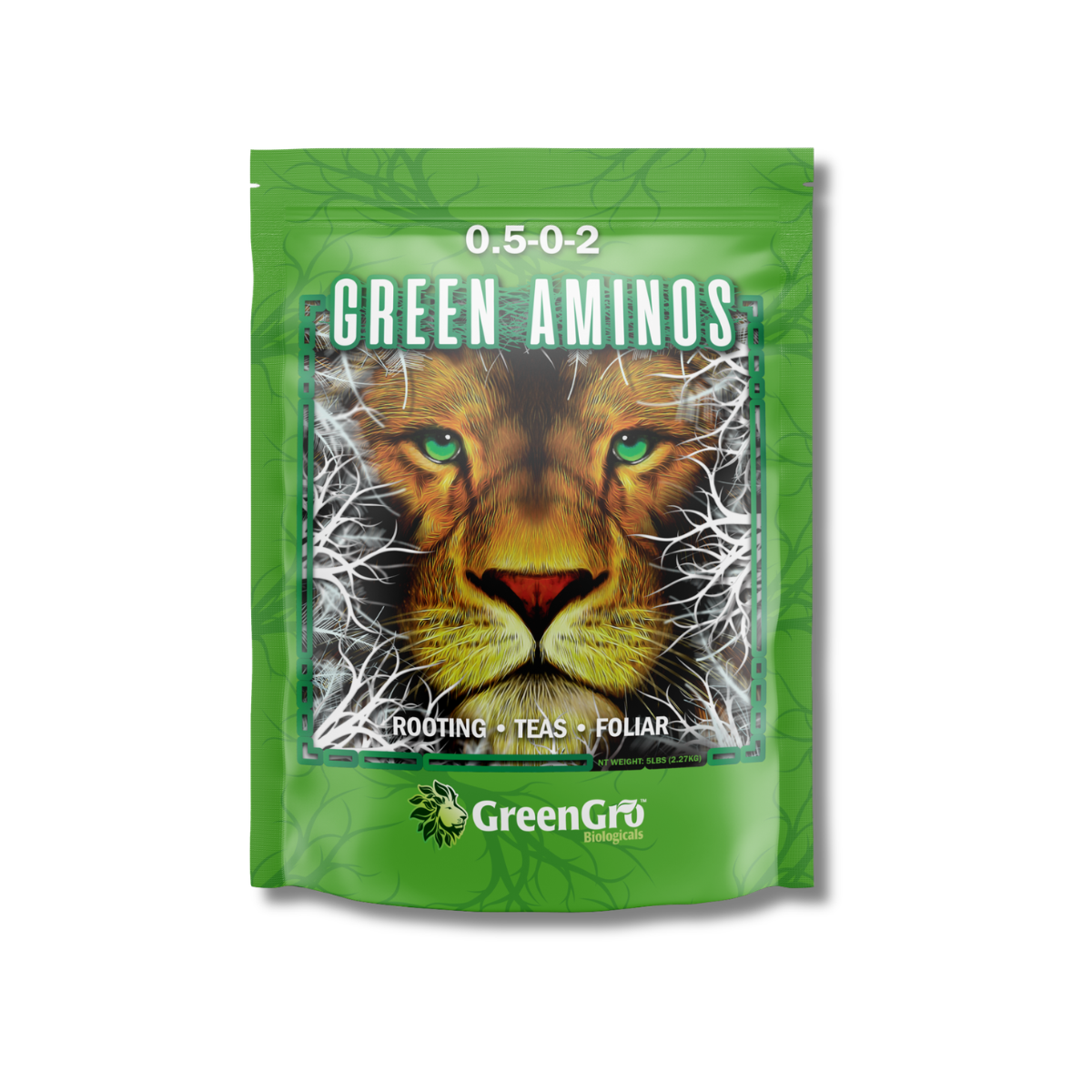
Where GreenGro Green Aminos Fits In
GreenGro Green Aminos is an amino acid-based product in our plant nutrition lineup.
Amino acids are components of proteins and participate in important biological processes within plants.
For gardeners interested in exploring amino acid-based inputs as part of their growing program, Green Aminos is an option to learn about.
However, its use shouldn't be considered necessary for germination or early seedling growth.
Before applying it to young plants, confirm that the product's current directions cover the intended crop, growth stage, and application method.

8. Understand Mycorrhizal Fungi and Young Roots
Roots are an important part of early plant development.
They absorb water and nutrients from the growing environment and interact with various soil microorganisms.
One group of organisms gardeners frequently encounter in discussions about soil biology is mycorrhizal fungi.
These fungi form associations with the roots of many plant species.
However, not every plant forms the same type of mycorrhizal association.
Explore GreenGro Premium Ultrafine Myco
GreenGro Premium Ultrafine Myco is a mycorrhizal inoculant in our soil biology lineup.
For gardeners interested in mycorrhizal products, it's important to understand the compatibility between the microorganisms and the plants being grown.
An important distinction: Broccoli and cabbage belong to the Brassica family, whose members generally do not form typical arbuscular mycorrhizal associations.
For that reason, a mycorrhizal inoculant should not be presented as a universal recommendation for all the vegetables in this guide.
Before considering Premium Ultrafine Myco, review the current product directions and the biological compatibility of your intended crop.

9. Prepare Seedlings for Outdoor Transplanting
When outdoor conditions become suitable, it's time to prepare your indoor-grown seedlings for the garden.
But don't move them directly from a protected indoor environment into full outdoor exposure.
Hardening Off Seedlings
Hardening off is the process of gradually introducing indoor-grown plants to outdoor conditions.
Start with a sheltered location and gradually increase exposure to sunlight, wind, and temperature changes over several days or longer, depending on the crop and weather.
Check for:
-
Appropriate outdoor temperatures.
-
Suitable soil conditions.
-
Adequate seedling development.
-
Signs of stress during acclimation.
-
Appropriate spacing in the garden bed.
For more detailed techniques, explore our Seed Starting and Germination Guide.

Your Early February Gardening Checklist
Here's a simple checklist for gardeners preparing cool-season vegetables:
- Check your expected last spring frost date.
- Identify which crops should be started indoors.
- Choose broccoli, cabbage, or leeks if their timing suits your climate.
- Plan direct sowing dates for spinach and peas.
- Prepare clean seed trays and suitable growing media.
- Check light and temperature conditions.
- Label seeds and record sowing dates.
- Monitor moisture during germination.
- Plan when seedlings will need larger containers.
- Prepare for hardening off before transplanting outdoors.
The goal isn't to plant everything in February. It's to start the right crops at the right time.
Frequently Asked Questions About Starting Cool-Season Seeds
What Vegetables Can I Start Indoors in February?
Depending on your growing region, broccoli, cabbage, leeks, and other cool-season crops may be appropriate.
Use your expected last frost date and the variety's recommended starting period to make the decision.
Should I Start Spinach Indoors?
Spinach is often better direct-sown in cool, workable garden soil.
Indoor starting is possible in some circumstances, but root disturbance can make transplanting less convenient.
Can I Start Peas Indoors Before Spring?
Yes, but direct sowing is often preferred.
Peas generally grow well under cool conditions, and their roots can be sensitive to disturbance.
Do Cool-Season Seedlings Need Fertilizer?
Not necessarily during germination.
Their nutrient needs change as they develop, and the appropriate fertilizer program depends on the crop and growing medium.
Should I Use Mycorrhizal Inoculants on Broccoli and Cabbage?
Not as a general recommendation.
Most brassicas do not form the typical arbuscular mycorrhizal associations targeted by common mycorrhizal inoculants.
Is February Too Early to Start Seeds?
For some crops and regions, yes.
Always calculate starting dates according to your climate and intended transplanting schedule rather than relying on the calendar month alone.
Get a Head Start on Spring With GreenGro
February gardening is about preparation, timing, and giving each crop the growing conditions it needs.
Broccoli, cabbage, and leeks may benefit from indoor starting, while spinach and peas are often better suited to direct sowing.
Understanding these differences helps you plan your growing season without starting every seed at once.
At GreenGro Biologicals, we're passionate about helping gardeners learn about plant nutrition, growing media, and soil biology.
As you prepare your seedlings and garden beds, explore our growing essentials:
-
Pride Lands Premium Potting Soil: Potting soil for container growing applications.
-
Green Aminos: Amino acid-based plant input.
-
Premium Ultrafine Myco: Mycorrhizal inoculant for compatible applications.
The best gardening season doesn't begin with doing everything early. It begins with knowing what to do and when.
Happy growing!