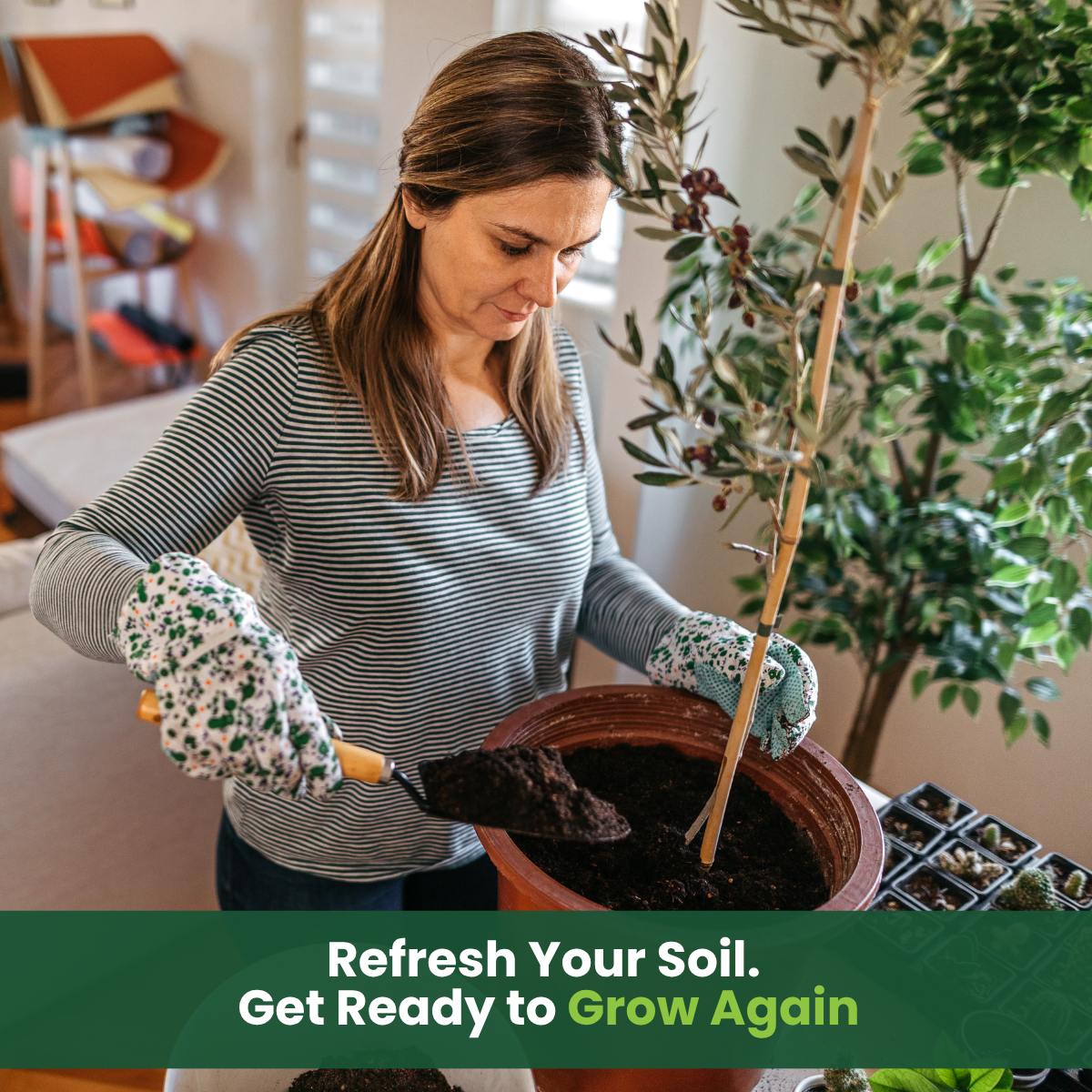

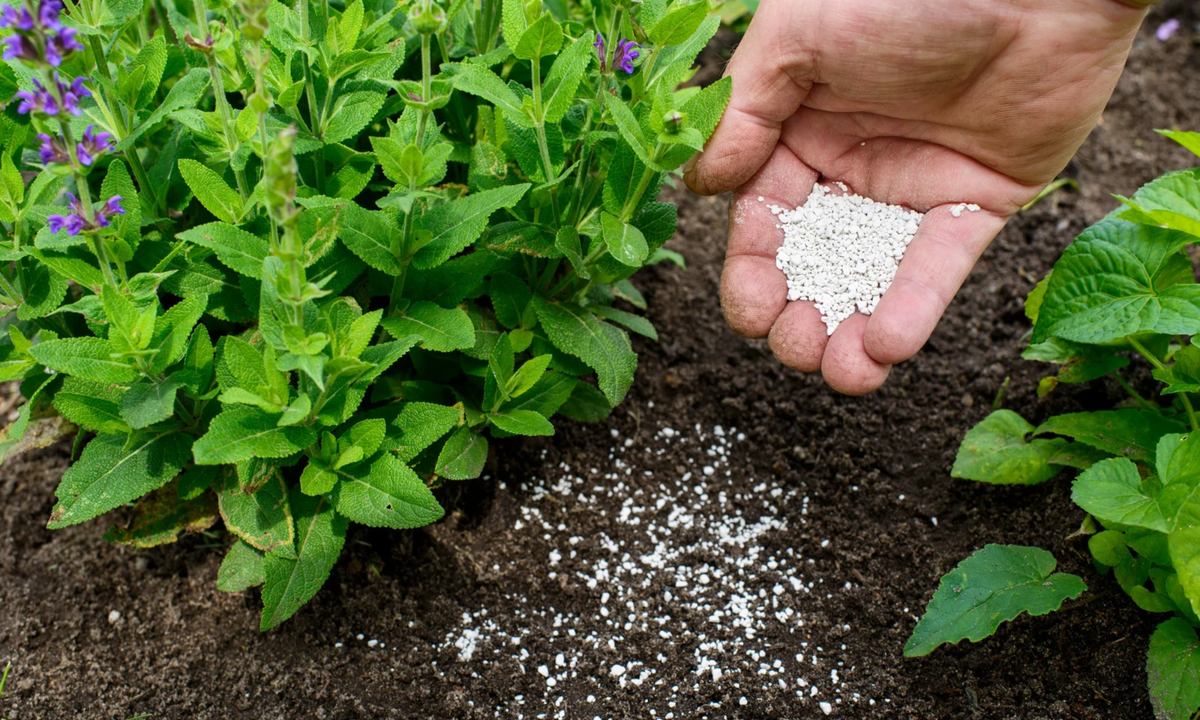
If you've ever walked through a garden center, you've probably seen products labeled plant food and others labeled fertilizer.
They sound different. But are they actually different products?
The short answer is that plant food and fertilizer usually refer to the same thing in gardening: products that supply nutrients to plants.
The term plant food is commonly used in marketing, while fertilizer is the more precise term for products intended to provide plant nutrients.
However, not every product marketed for plant health is a fertilizer. Soil amendments, microbial inoculants, and other gardening inputs may serve different purposes.
Understanding these distinctions can help you choose the right products for your garden without adding unnecessary ingredients.
Let's break it down.
What Is Fertilizer?
Fertilizer is a material used to supply nutrients to plants.
Plants require essential nutrients to carry out biological processes, develop roots and foliage, and complete their life cycles.
Among the best-known nutrients are nitrogen, phosphorus, and potassium, commonly referred to as N-P-K.
These are the three numbers you'll often see on fertilizer packaging.
For example, a fertilizer labeled 4-4-4 indicates a guaranteed analysis of:
-
4% nitrogen (N)
-
4% available phosphate (P₂O₅)
-
4% soluble potash (K₂O)
These percentages help gardeners understand part of a product's nutrient composition.
However, the N-P-K numbers don't tell you everything about the fertilizer, including how its nutrients become available or whether it contains additional ingredients.
What Does Plant Food Mean?
The term plant food is commonly used to describe fertilizers sold for home gardening.
You might see labels such as:
-
Indoor Plant Food
-
Tomato Plant Food
-
Rose Food
-
All-Purpose Plant Food
In many cases, these products are simply fertilizers marketed for specific types of plants.
There's also an important biological distinction.
Plants make their own food through photosynthesis.
Using light energy, plants convert carbon dioxide and water into sugars that support their metabolism.
Fertilizers don't replace this process. They supply mineral nutrients that plants need for normal development.
So, while gardeners commonly say they're "feeding" their plants, what they're usually doing is providing nutrients.

Plant Food vs. Fertilizer: What's the Difference?
Here's a simple comparison.
| Plant Food | Fertilizer |
|---|---|
| Common gardening and marketing term | More precise product category |
| Often describes products supplying plant nutrients | Supplies nutrients to plants |
| May be marketed for specific plants | Available in many formulations |
| Doesn't guarantee organic ingredients or soil microbes | May contain organic, mineral, or manufactured nutrient sources |
| Often used interchangeably with fertilizer | Has specific labeling and regulatory requirements |
The key takeaway: A product called plant food isn't automatically more natural, more complete, or better for soil biology than a product called fertilizer.
The most useful information comes from its ingredients, guaranteed analysis, intended use, and application instructions.
What Are the Different Types of Fertilizer?
Fertilizers can be categorized in several ways, including their ingredients, physical form, and nutrient-release characteristics.
1. Organic Fertilizers
Organic fertilizers are made from materials derived from plant, animal, or other permitted sources, depending on the applicable standard or certification.
Examples of ingredients used in some organic fertilizer formulations include:
-
Feather meal
-
Fish meal
-
Blood meal
-
Alfalfa meal
-
Kelp meal
Certain organic nutrient sources must undergo biological decomposition before their nutrients become available to plants.
However, nutrient-release characteristics vary by ingredient and growing conditions.
Not every organic fertilizer releases nutrients at the same rate.
2. Manufactured or Mineral Fertilizers
Other fertilizers supply nutrients through manufactured or mineral-derived compounds.
These may contain nutrients in forms that are readily soluble in water.
They can be useful in different growing systems when applied appropriately.
It's important to understand that fertilizer quality and suitability aren't determined solely by whether a product is described as natural or synthetic.
Both insufficient and excessive nutrient applications can create plant health or environmental problems.
3. Blended Fertilizers
Many fertilizers combine different ingredients to create a specific nutrient formulation.
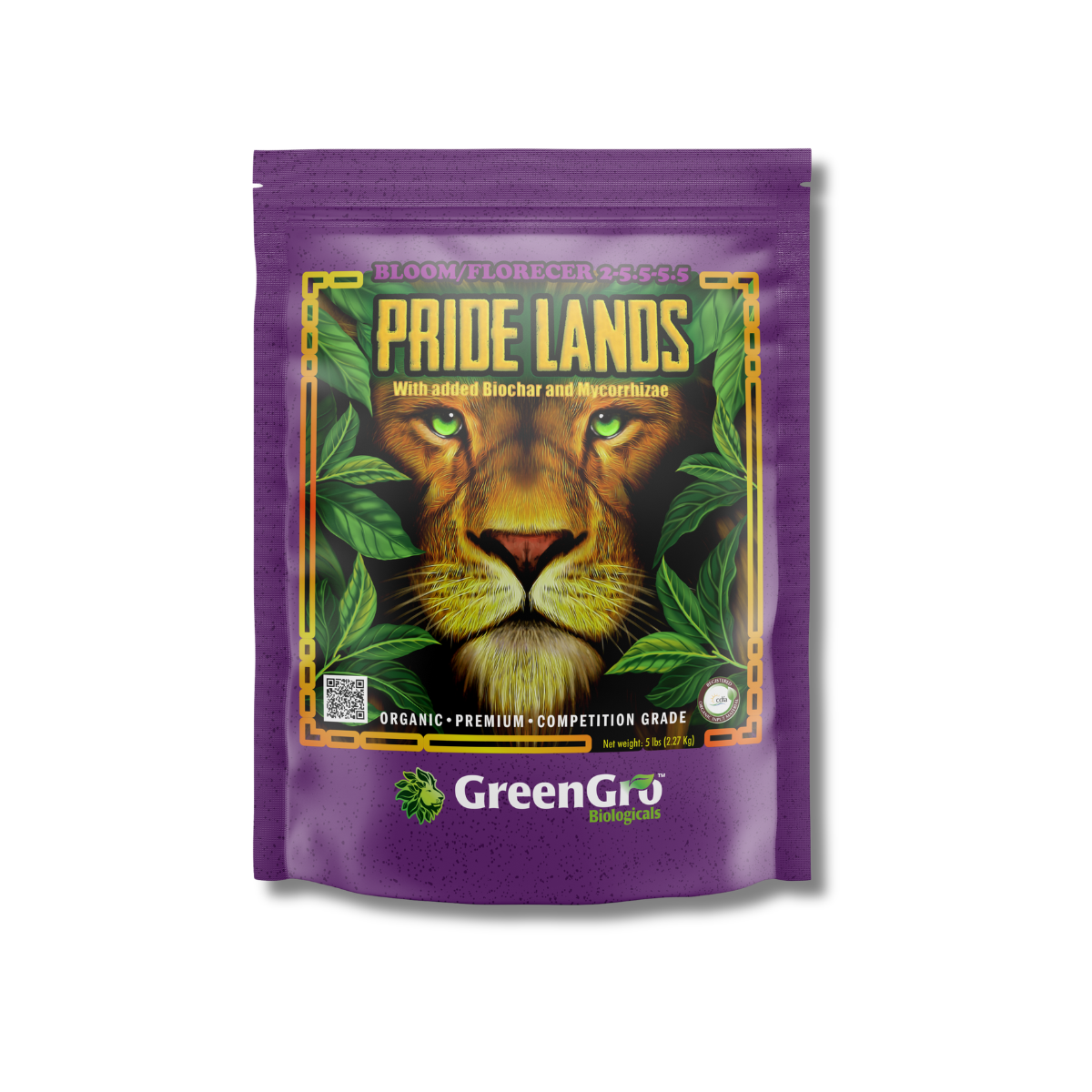
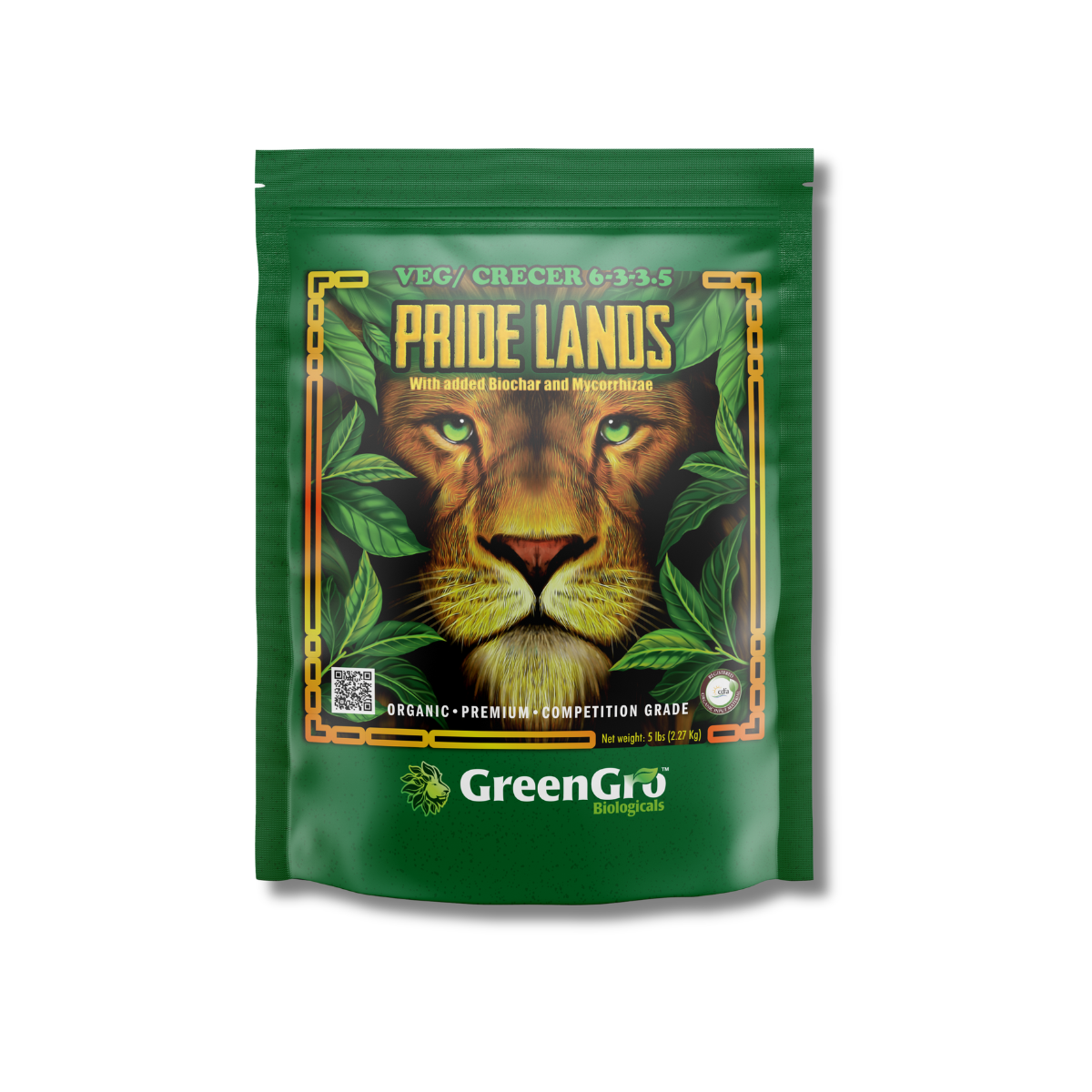
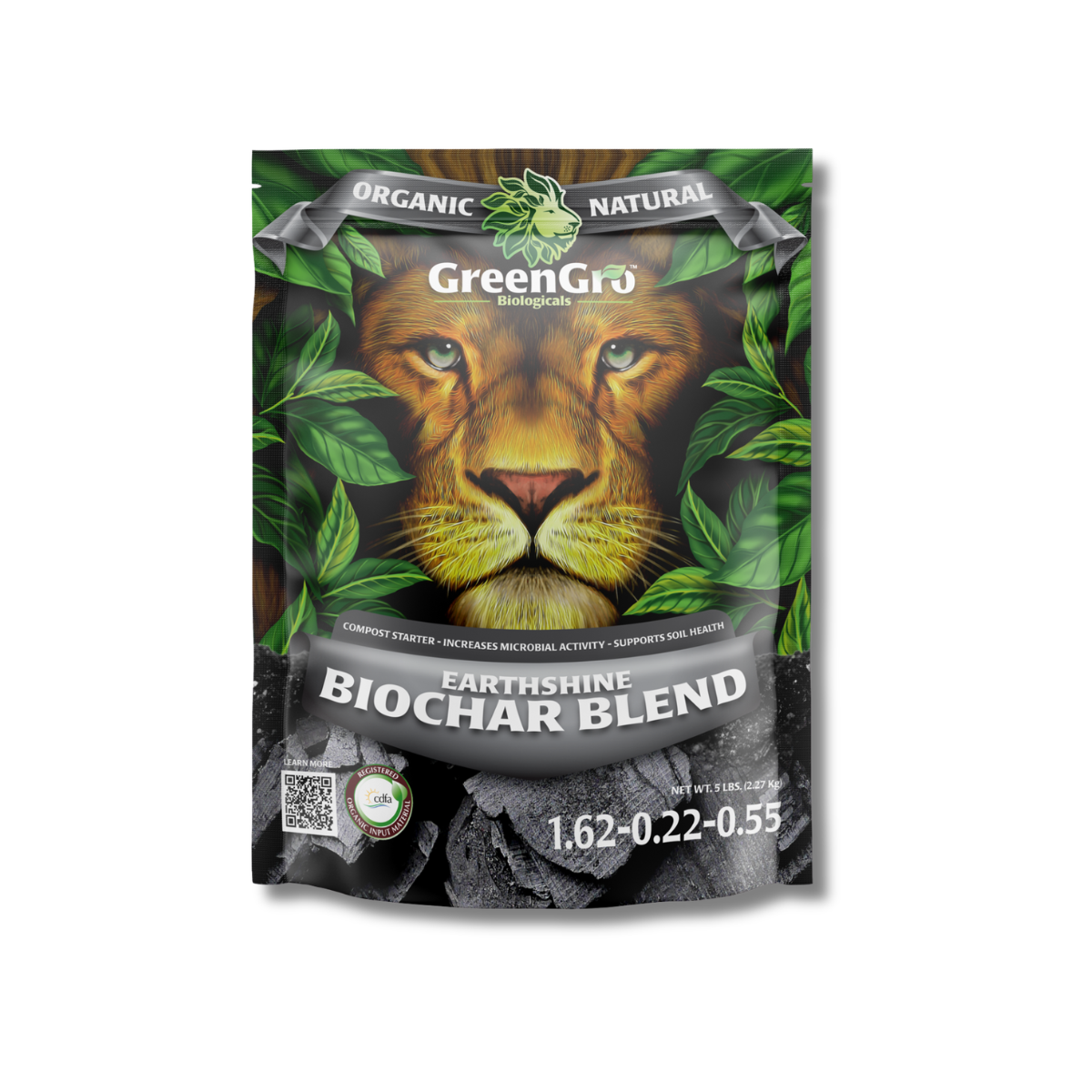
Some products also incorporate materials such as biochar, organic matter, or microbial ingredients.
However, the presence of these additional components doesn't automatically demonstrate a particular soil health benefit.
The product's intended use, composition, and supporting documentation matter.
What About Soil Amendments and Beneficial Microbes?
This is where the distinction becomes especially relevant to regenerative gardening.
Not every product used in soil management is primarily intended to supply plant nutrients.
Different product categories can serve different purposes.
Soil Amendments
Soil amendments are materials used to modify certain physical, chemical, or biological properties of soil.
Examples include compost, gypsum, and certain biochar products.
Their suitability depends on the existing soil conditions and the characteristics of the material.
A soil amendment isn't necessarily a fertilizer, although some materials can serve more than one function.
Mycorrhizal Inoculants
Mycorrhizal fungi form associations with the roots of many plant species.
These relationships can influence nutrient and water exchange between compatible plants and their fungal partners.
Mycorrhizal inoculants are distinct from conventional fertilizers because their primary purpose is not simply to provide an N-P-K nutrient source.
Their suitability depends on plant compatibility, product formulation, and growing conditions.
Microbial Products
Certain gardening products contain bacteria or other microorganisms intended for specific soil or plant applications.
Microorganisms participate in processes such as organic matter decomposition and nutrient cycling.
However, adding a microbial product doesn't automatically improve soil fertility or eliminate the need for fertilization.
Understanding whether you need nutrients, an amendment, or another soil input is more useful than choosing a product based only on marketing terminology.
For more information, explore our guide to regenerative gardening, biochar, and beneficial soil microorganisms.

Does Organic Plant Food Work Differently From Regular Fertilizer?
Not necessarily in the way people often imagine.
Plants absorb essential mineral nutrients in specific chemical forms, regardless of whether those nutrients originated from organic or manufactured materials.
For example, plant roots absorb nitrogen in forms such as nitrate and ammonium.
What can differ is how nutrients become available in the growing environment.
Certain organic materials require microbial decomposition before nutrients are released.
Some soluble fertilizers supply nutrients that are more immediately available.
These differences influence nutrient management, but neither type is universally appropriate for every situation.
A thoughtful approach considers:
-
The crops you're growing.
-
Existing soil nutrient levels.
-
Soil pH and other growing conditions.
-
The fertilizer's nutrient composition.
-
Application timing and rate.
-
The needs of the plant at its current growth stage.
How to Choose the Right Fertilizer for Your Garden
Instead of asking whether you need plant food or fertilizer, try asking a more useful question:
What nutrients does my garden actually need?
Start with these steps.
Step 1: Understand Your Plants
Different plants have different nutrient needs.
Leafy vegetables, flowering ornamentals, fruiting crops, and established trees may require different nutrient management approaches.
Step 2: Check Your Soil
A soil test can provide information about pH and nutrient levels.
This is particularly useful before making substantial fertilizer applications to garden beds.
Step 3: Read the Fertilizer Label
Look for:
-
Guaranteed nutrient analysis.
-
Intended plants or crops.
-
Application instructions.
-
Recommended rates and timing.
-
Relevant restrictions and precautions.
Avoid assuming that a fertilizer with higher N-P-K numbers is automatically better.
Step 4: Consider Your Growing System
Container plants, raised beds, and in-ground gardens can differ in how nutrients and moisture behave.
A fertilizer program suitable for one growing system may not be appropriate for another.
Step 5: Avoid Overfertilizing
More fertilizer doesn't necessarily mean better growth.
Excessive applications can contribute to nutrient imbalances, salt accumulation, or nutrient movement into the environment.
Follow the product label and adjust fertilization to actual plant and soil needs.
Explore GreenGro Fertilizers for Different Gardening Needs
At GreenGro Biologicals, we offer fertilizers formulated for different types of gardening.
Whether you're growing vegetables, maintaining a flower garden, or caring for a variety of plants, selecting an appropriate fertilizer begins with understanding what you're growing.
GreenGro All Purpose Fertilizer
GreenGro All Purpose Fertilizer is a general-purpose fertilizer in our garden nutrition lineup.
It's an option to consider for gardeners managing different types of plants and looking for a general-purpose nutrient product.
Review its guaranteed analysis and current label to determine whether it fits your garden's needs.

GreenGro Tomato, Veggie & Herb Fertilizer
Growing tomatoes, vegetables, or culinary herbs?
GreenGro Tomato, Veggie & Herb Fertilizer is formulated for edible gardening applications.
Gardeners can review its nutrient composition and application instructions when developing a fertilization routine for their crops.

GreenGro Rose & Flower Fertilizer
 Not sure which one to explore first?
Browse the GreenGro Garden Fertilizers Collection to compare available options.
Frequently Asked Questions About Plant Food and Fertilizer
Is Plant Food Just Another Name for Fertilizer?
Usually, yes. In home gardening, plant food is commonly used as a marketing term for fertilizer.
The product label provides the most reliable information about its nutrient content and intended use.
Do Plants Actually Eat Plant Food?
Not in the way animals eat food.
Plants produce sugars through photosynthesis and absorb essential mineral nutrients from their growing environment.
Is Organic Fertilizer Better Than Synthetic Fertilizer?
Neither category is automatically the best choice for every garden.
The appropriate product depends on nutrient needs, soil conditions, intended use, application practices, and gardening preferences.
Can Fertilizer Replace Compost?
Not necessarily.
Fertilizers primarily supply nutrients, while compost may contribute organic matter and affect other soil properties.
Their roles can overlap, but they aren't always interchangeable.
Do You Need Fertilizer if You Have Healthy Soil?
Not always.
Some soils contain sufficient nutrients for the plants being grown, while others require supplementation.
A soil test can help guide the decision.
Are Soil Microbes the Same as Plant Food?
No.
Soil microorganisms are living organisms involved in soil processes.
Fertilizers supply nutrients, while microbial products have different intended functions depending on their formulation and labeling.
The Bottom Line: Choose Nutrients Based on Your Plants' Needs
So, is plant food the same as fertilizer?
In most gardening situations, yes. The terms are often used interchangeably.
The important distinction isn't the name on the front of the package.
It's understanding what the product contains, what it's intended to do, and whether your plants actually need it.
At GreenGro Biologicals, we're passionate about plant nutrition and the science of living soil.
From fertilizers to soil amendments and microbial products, understanding the role of each input can help you make more informed gardening decisions.
Ready to explore your options?
Browse our GreenGro Garden Fertilizers Collection and find products suited to your growing needs.
Because better gardening starts with understanding what your plants—and your soil—actually need.