

Plant & Soil Problem Solver
How Do I Know If My Plant Has Root Rot?
Healthy plants start with healthy roots. Let's uncover what's happening beneath the soil.
Yellowing leaves, persistent wilting, and soggy soil may point to a problem hidden below the surface. Learn how to recognize possible signs of root rot, understand what causes it, and take steps to protect your plant's root system.
When Roots Are in Trouble, the Whole Plant Feels It
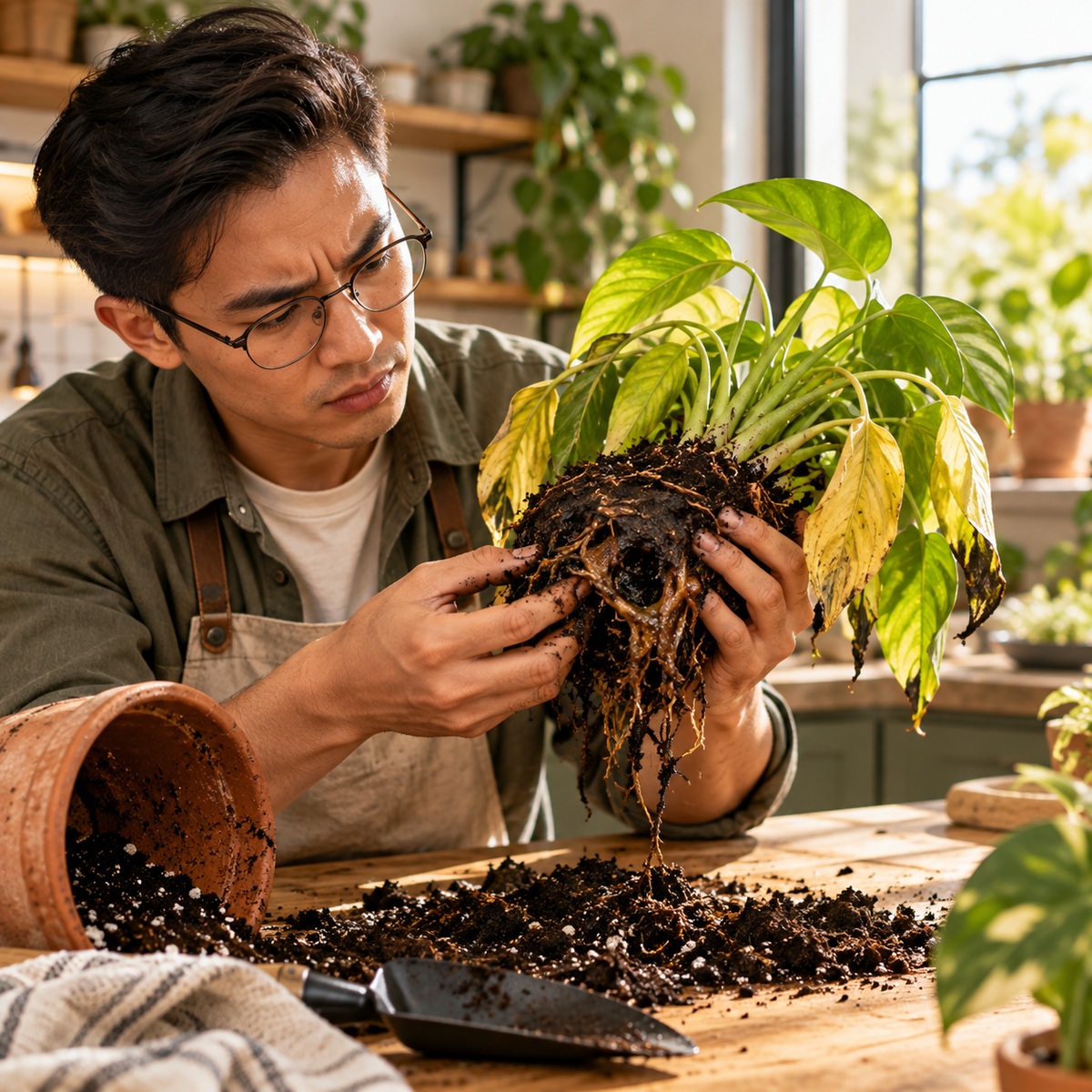
Roots do much more than hold a plant in place. They absorb water and nutrients and help support healthy growth above the soil.
Root rot occurs when root tissues begin to decay, often because of disease-causing organisms that thrive in overly wet or poorly drained conditions.
As roots become damaged, they may lose their ability to absorb water and nutrients effectively.
That's why a plant with root rot can appear wilted even when its soil is wet.
You may also notice yellowing leaves, slowed growth, or dark, soft roots when inspecting the root system.
The goal is to identify the underlying problem early, improve root-zone conditions, and protect any healthy roots that remain.
What's Putting Your Plant's Roots at Risk?
01
Prolonged Soil Saturation
Soil that remains waterlogged can reduce oxygen availability and create favorable conditions for certain root pathogens.
02
Poor Drainage
Dense growing media, compacted soil, or containers without adequate drainage can trap excess moisture around roots.
03
Root Disease Organisms
Pathogens such as certain Pythium and Phytophthora species can infect roots and contribute to root decay.
04
Inappropriate Watering Practices
Watering too frequently without checking soil moisture can keep the root zone wetter than the plant needs.
05
Contaminated Growing Media or Tools
Some root pathogens can spread through infected plants, contaminated soil, reused containers, or gardening equipment.
06
Existing Root Stress
Roots weakened by transplant damage, poor aeration, or unsuitable growing conditions may be more vulnerable to further problems.
5 Steps to Help a Plant with Suspected Root Rot
Step 1: Check Soil Moisture and Drainage
Determine whether the growing medium is staying excessively wet. Stop unnecessary watering and remove any standing water from saucers or decorative pots.
Step 2: Inspect the Root System
If symptoms persist, gently remove a container plant from its pot and examine the roots. Healthy roots are generally firm, while severely decayed roots may appear dark, soft, or mushy. Root color varies by species, so texture matters.
Step 3: Remove Severely Damaged Roots When Appropriate
Using clean, disinfected tools, carefully trim clearly decayed roots if enough healthy root tissue remains. Avoid unnecessary damage to healthy roots.
Step 4: Restore Suitable Growing Conditions
For container plants, use a clean pot with functioning drainage holes and fresh, appropriate growing media. Avoid immediately saturating the new mix.
Step 5: Monitor Recovery
Keep the plant in suitable light and temperature conditions, avoid heavy fertilization while it's stressed, and watch for healthy new growth. Severely affected plants may not recover.
Protect Your Roots Before Problems Begin
- Avoid prolonged waterlogging: Check soil moisture before watering again.
- Prioritize drainage: Use suitable growing media and containers with functional drainage holes.
- Keep tools and containers clean: Reduce the chance of transferring soilborne pathogens between plants.
- Inspect new plants: Look for signs of poor root health before introducing them to your growing area.
- Support healthy soil conditions: Maintain appropriate soil structure and avoid unnecessary root stress.


Remember: Wet soil and yellow leaves don't automatically mean root rot. Confirm what's happening before making major changes to your plant's roots.
GreenGro Can Help
Healthy Roots Begin with the Right Growing Environment
Root rot can be a serious problem, and correcting excess moisture, drainage issues, and underlying root disease should always come first.
Once suitable growing conditions are restored, biological soil amendments may complement your ongoing soil care routine.
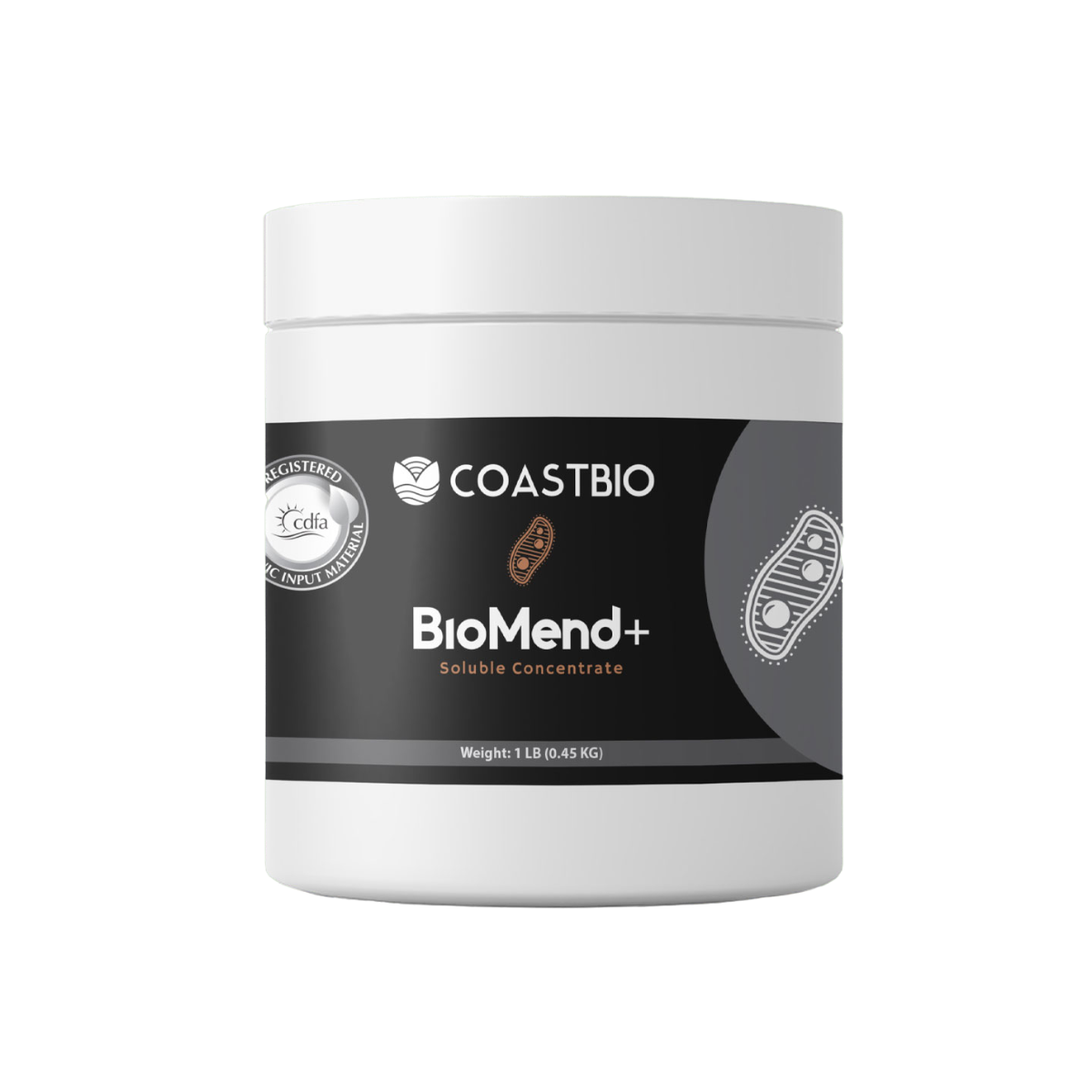
BioMend+
A biological soil amendment that may complement a broader root-zone and soil management program when used according to product directions.
Still Need Help With Your Plant?
Not sure what's going on? We're happy to help!
Reach out to us at info@thegreengro.com, and let's get your garden back on track.