

Plant & Soil Problem Solver
Is Poor Drainage Hurting Your Plants?
Healthy roots need water and air. Let's find the right balance.
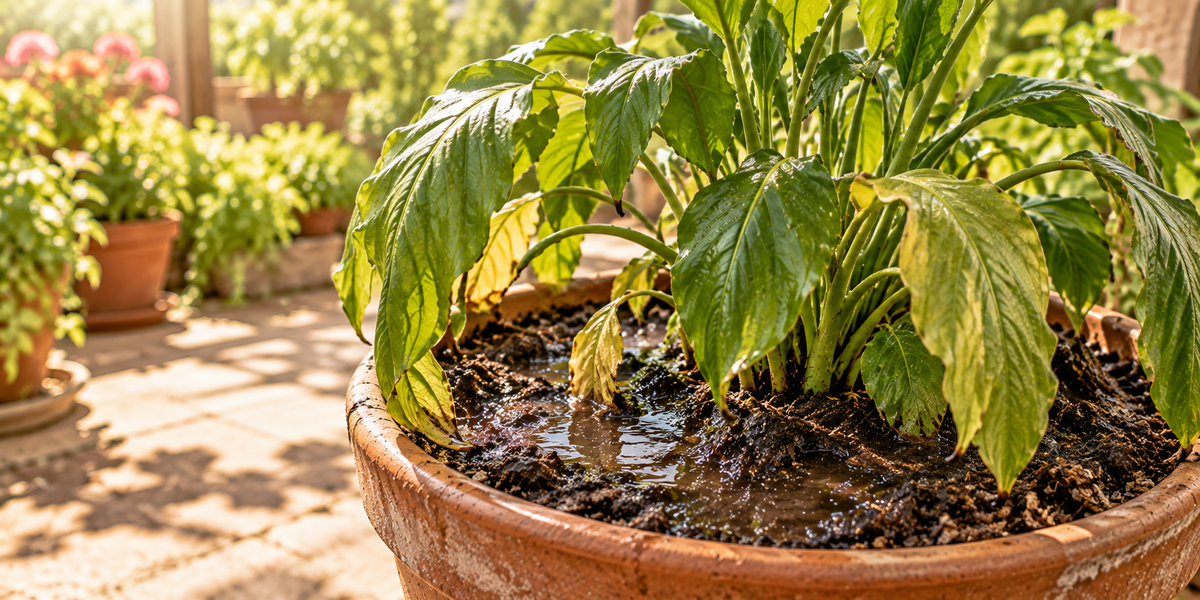
Does water sit on the surface of your soil or take too long to drain? Poor drainage can leave roots struggling for oxygen, affecting plant growth and overall health. Learn how to recognize the warning signs, improve drainage, and create better growing conditions.
When Water Can't Move, Roots Can't Breathe
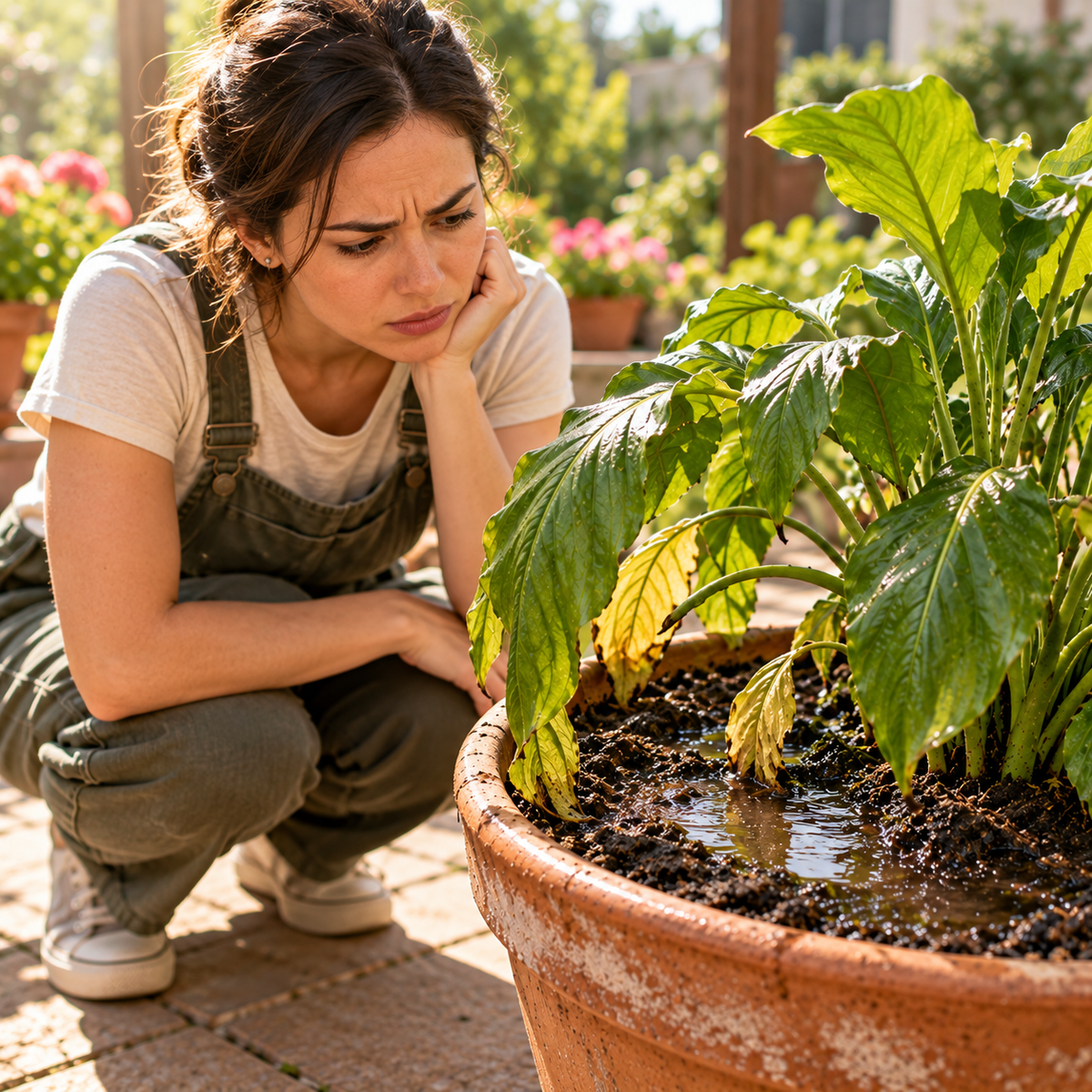
Healthy soil contains tiny spaces between its particles that hold both water and air.
When water fills too many of those spaces for too long, oxygen becomes less available to plant roots.
Without enough oxygen, roots may struggle to absorb water and nutrients efficiently. Prolonged saturation can also create conditions that favor certain root diseases.
Poor drainage may show up as standing water, persistently wet soil, yellowing leaves, or slow plant growth.
The goal isn't to eliminate moisture. It's to create a growing environment where water can move, and roots can breathe.
What's Causing Poor Drainage in Your Soil?
01
Compacted Soil
When soil particles are pressed tightly together, pore spaces shrink and water may struggle to move through the soil.
02
Inadequate Container Drainage
Pots without functional drainage holes can trap excess water around roots.
03
Heavy Clay Soil
Some clay-rich soils allow water to move slowly, especially when their structure is poor or the soil is compacted.
04
Dense or Degraded Potting Mix
Growing media that has broken down or become overly compacted may hold too much water and limit airflow
05
Low-Lying Planting Areas
Water naturally collects in depressions or locations where runoff accumulates
06
Excessive Watering
Even well-structured soil can remain saturated when water is applied more frequently than the growing conditions require.
5 Steps to Improve Soil Drainage
Step 1: Observe How Water Moves
Check whether water pools on the surface, drains slowly, or leaves the soil wet for unusually long periods. Consider recent rainfall and watering habits.
Step 2: Adjust Your Watering Routine
Water according to your plant's needs and actual soil moisture. Avoid adding more water when the root zone is already saturated.
Step 3: Check Containers and Drainage Holes
Make sure pots have functioning drainage holes and aren't sitting in accumulated water. If needed, move plants into containers with appropriate drainage.
Step 4: Improve Soil Structure
For garden beds, incorporate suitable organic matter when preparing or renovating the soil. For containers, use a growing mix appropriate for the plant rather than dense garden soil.
Step 5: Address Persistent Drainage Problems
For areas that regularly collect water, consider raised beds, regrading, or other drainage improvements suited to the site. Avoid working soil while it's saturated.
Better Drainage Starts with Better Soil Care
- Protect soil structure: Avoid unnecessary compaction and working wet soil.
- Choose suitable growing media: Match your soil or potting mix to the needs of your plants.
- Water thoughtfully: Check moisture before watering instead of following a rigid schedule.
- Use containers with drainage holes: Give excess water a way to escape.
- Maintain healthy soil: Organic matter, plant roots, and biological activity can support soil structure over time.


Remember: Good drainage doesn't mean soil should dry out immediately. The goal is a healthy balance between moisture and oxygen.
GreenGro Can Help
Healthy Roots Need the Right Soil Environment
Poor drainage can limit oxygen availability and interfere with healthy root development.
Improving soil structure and correcting the underlying drainage problem should always come first.
Depending on your growing conditions, this GreenGro product may complement your soil improvement plan.
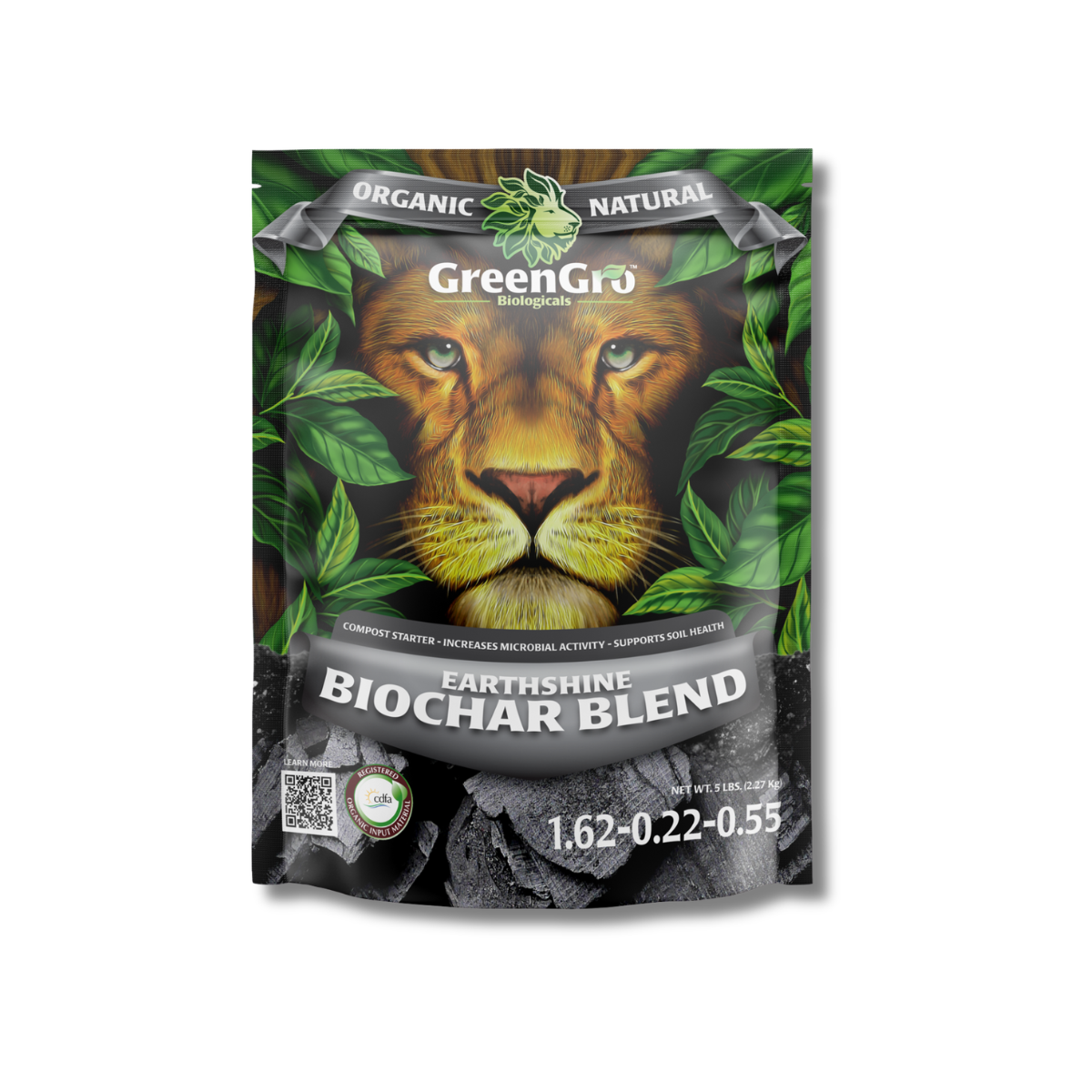
Earthshine Biochar
A biochar-based soil amendment that can contribute to moisture and nutrient retention in suitable growing mixes as part of a broader soil management approach.
Still Need Help With Your Plant?
Not sure what's going on? We're happy to help!
Reach out to us at info@thegreengro.com, and let's get your garden back on track.