


Plant & Soil Problem Solver
Is Your Plant Missing Essential Nutrients?
Healthy plants need balanced nutrition. Let's find out what's missing.
Yellowing leaves, unusual discoloration, and slow growth may be signs that your plant isn't getting the nutrients it needs. Discover how to recognize possible nutrient deficiencies, understand what affects nutrient availability, and support healthier plant growth.
When Nutrients Are Missing, Plants Show the Signs

Plants need essential nutrients to build healthy roots, leaves, stems, flowers, and fruit.
Macronutrients such as nitrogen, phosphorus, and potassium are required in relatively large amounts, while micronutrients such as iron, zinc, and manganese are needed in smaller quantities.
When an essential nutrient is insufficient or unavailable, it can disrupt normal plant functions.
Symptoms may include yellowing leaves, unusual discoloration, weak growth, or reduced flowering and fruit production.
However, nutrient deficiency symptoms can resemble problems caused by watering, root damage, or environmental stress.
The goal isn't simply to add more fertilizer. It's to understand what your plant needs and whether those nutrients are actually available.
What's Causing Nutrient Deficiencies in Your Plants?
01
Insufficient Nutrients in the Soil
Growing media that lack essential nutrients may not provide everything plants need for healthy development.
02
Incorrect Soil pH
When soil pH falls outside a plant's preferred range, certain nutrients can become less available even when they're present.
03
Poor Root Health
Damaged, stressed, or underdeveloped roots may struggle to absorb water and nutrients efficiently.
04
Unbalanced Fertilization
Applying too little, too much, or the wrong balance of nutrients can contribute to deficiencies or nutrient interactions.
05
Nutrient Leaching
Frequent heavy watering or rainfall can wash some soluble nutrients out of the root zone.
06
Environmental Stress
Cold soil, prolonged saturation, drought, and other stressful conditions can reduce nutrient uptake and availability.
5 Steps Toward Better Plant Nutrition
Step 1: Observe the Symptoms
Look at which leaves are affected, where discoloration begins, and whether growth is slowing. These patterns can offer clues, but they aren't always enough for a reliable diagnosis.
Step 2: Check Soil Moisture and Root Conditions
Make sure your plant isn't experiencing waterlogging, drought, or root damage that could interfere with nutrient uptake.
Step 3: Test Your Soil When Appropriate
A soil test can help identify nutrient levels and pH conditions. For persistent or valuable crops, plant tissue testing may provide additional information.
Step 4: Choose the Right Nutrient Solution
If a deficiency is identified, select a fertilizer or amendment suited to the missing nutrient, plant species, and growing conditions. Follow label directions.
Step 5: Monitor New Growth
Give your plant time to respond. Some damaged leaves may not recover their original color, so look for healthier new growth and improved development.
Build a Better Foundation for Balanced Nutrition
- Understand your soil: Test pH and nutrient levels when appropriate.
- Feed according to plant needs: Choose fertilizers suited to the plant and its growth stage.
- Maintain healthy roots: Support appropriate moisture, drainage, and aeration.
- Avoid overfertilizing: Excess nutrients can create additional problems.
- Care for your soil: Organic matter and healthy soil conditions can contribute to long-term nutrient cycling.


Remember: More fertilizer isn't always better. Balanced nutrition starts with identifying what your plant actually needs.
GreenGro Can Help
Better Nutrition Starts with Healthy Roots and Living Soil
Plants depend on essential nutrients, healthy roots, and suitable soil conditions to grow.
When a nutrient deficiency is suspected, identifying the cause should always come first.
Depending on your plant's needs, these GreenGro products may complement a balanced soil and nutrition program.

Ultrafine Myco
A microbial amendment designed to support beneficial root-zone relationships in established plants.

All-Purpose Fertilizer
Growing roses or flowering plants? Provide balanced nutrition to support healthy growth and beautiful blooms.
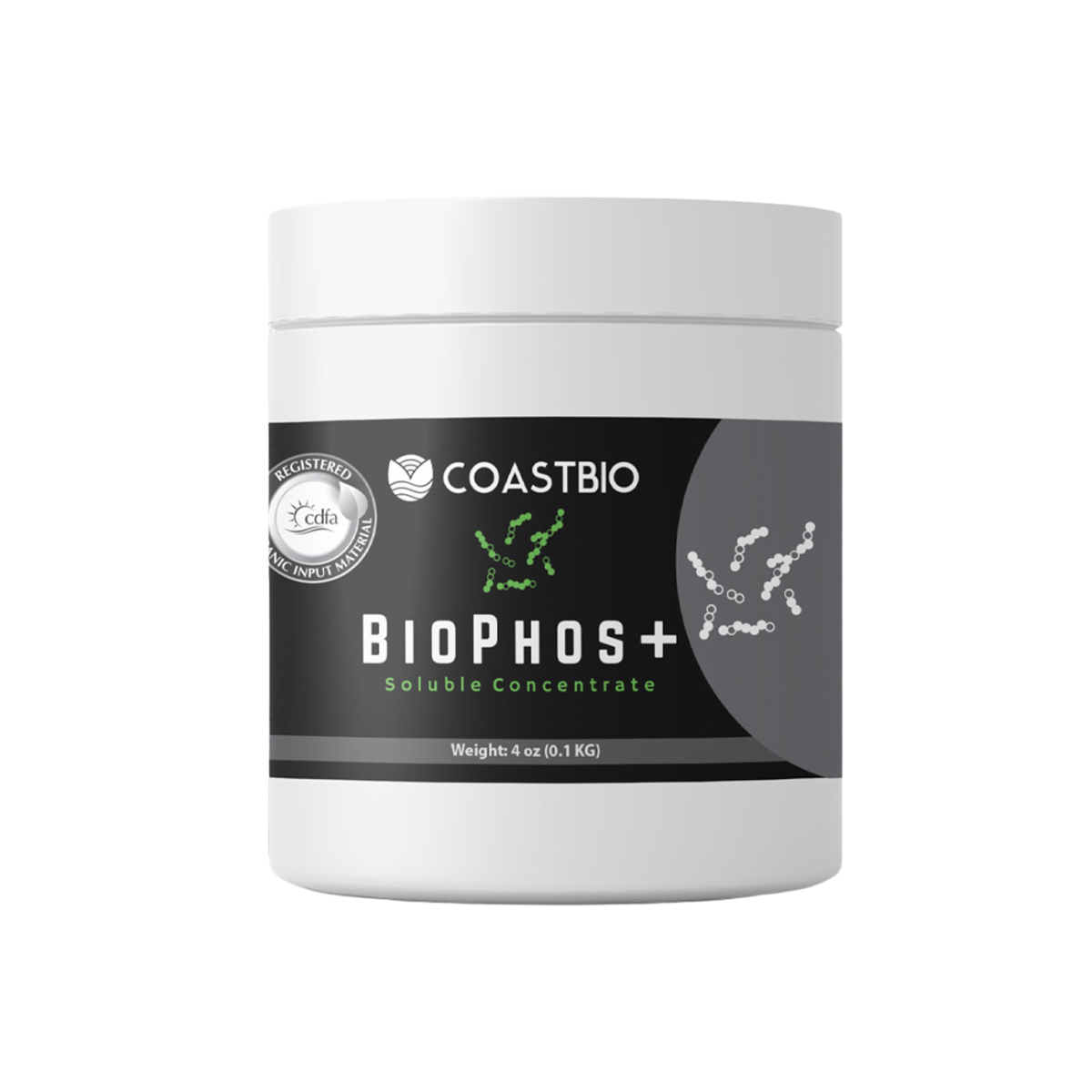
BioPhos+
A biological soil amendment that may complement phosphorus management when appropriate for the growing conditions and product directions.
Still Need Help With Your Plant?
Not sure what's going on? We're happy to help!
Reach out to us at info@thegreengro.com, and let's get your garden back on track.