

Plant & Soil Problem Solver
Why Are My Plant Leaves Turning Yellow?
Yellow leaves are a warning sign. Let's find out what your plant is trying to tell you.
From watering problems to nutrient deficiencies and root stress, yellowing leaves can have several causes. Learn how to identify what's happening and take the right steps toward healthier growth.
Yellow Leaves? Your Plant Is Trying to Tell You Something
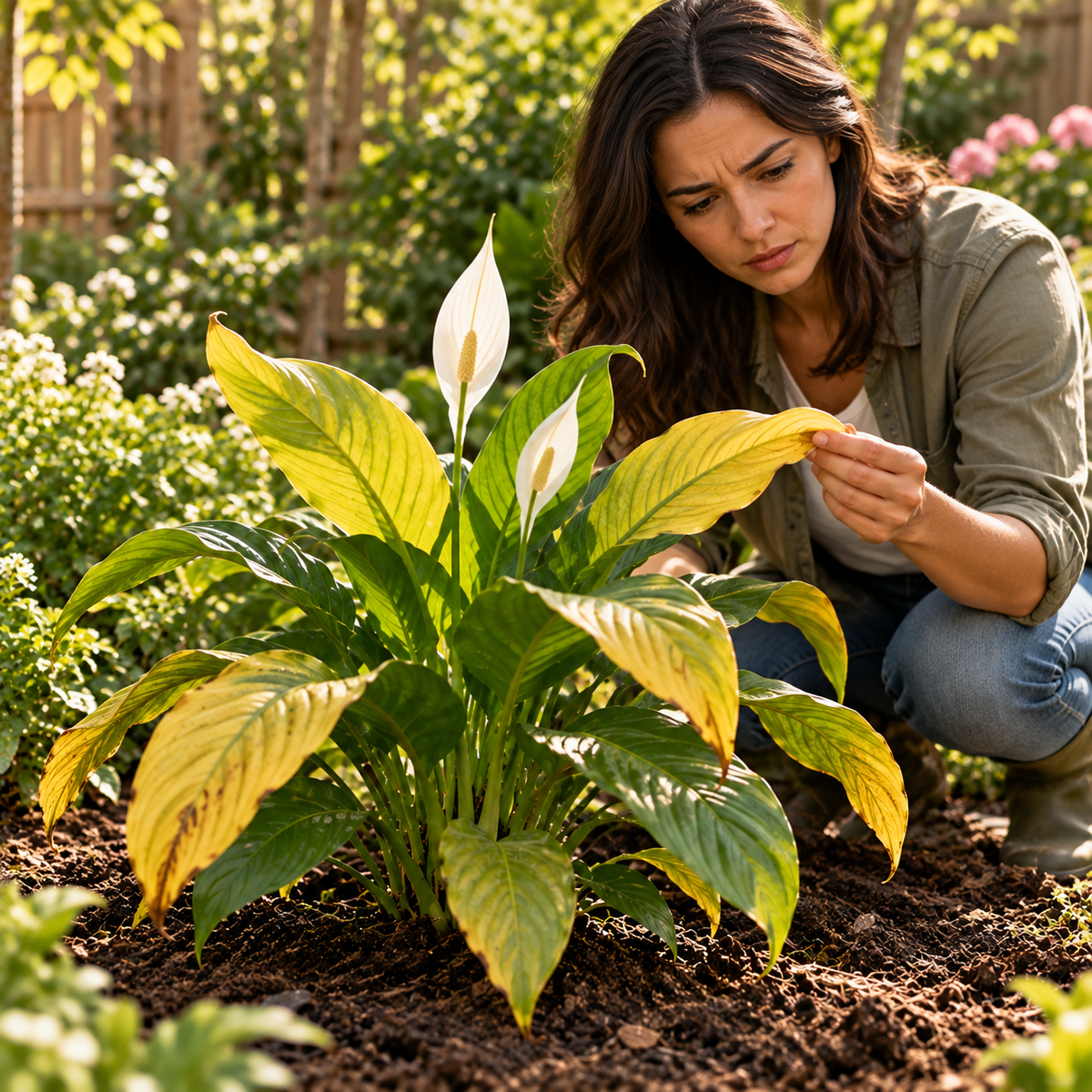
When a plant's leaves turn yellow, it's often a sign that something in its growing environment needs attention.
This yellowing, known as chlorosis, happens when leaves lose or produce less of the green pigment chlorophyll.
Sometimes it's a natural part of aging. Other times, it can point to watering problems, nutrient deficiencies, insufficient light, or unhealthy roots.
The key is understanding the cause before choosing a solution
What's Causing Your Leaves to Turn Yellow?
01
Overwatering
When soil stays too wet, roots may struggle to get enough oxygen. This can lead to yellowing leaves, drooping, and poor growth.
02
Underwatering
Without enough moisture, plants can become stressed. Leaves may turn yellow, feel dry, or begin to curl.
03
Nutrient Deficiencies
Nitrogen, iron, magnesium, and other nutrients play important roles in leaf health. Different deficiencies can cause different yellowing patterns.
04
Poor Soil Drainage
Compacted or poorly draining soil can hold excess moisture around the roots, interfering with healthy root function.
05
Light or Environmental Stress
Too little light, sudden temperature changes, or intense heat can affect leaf color and overall plant health.
06
Natural Leaf Aging
Older leaves sometimes turn yellow and fall off as a plant grows. If the rest of the plant looks healthy, this may be completely normal.
5 Steps Toward Healthier, Greener Growth
Step 1: Check Your Soil Moisture
Feel the soil a few inches below the surface, adjusting the depth for your plant and container. If it's soggy, allow it to dry appropriately before watering again. If it's too dry, water thoroughly.
Step 2: Inspect Your Drainage
Make sure excess water can escape. Check drainage holes, soil structure, and whether water is collecting around the roots.
Step 3: Look at the Yellowing Pattern
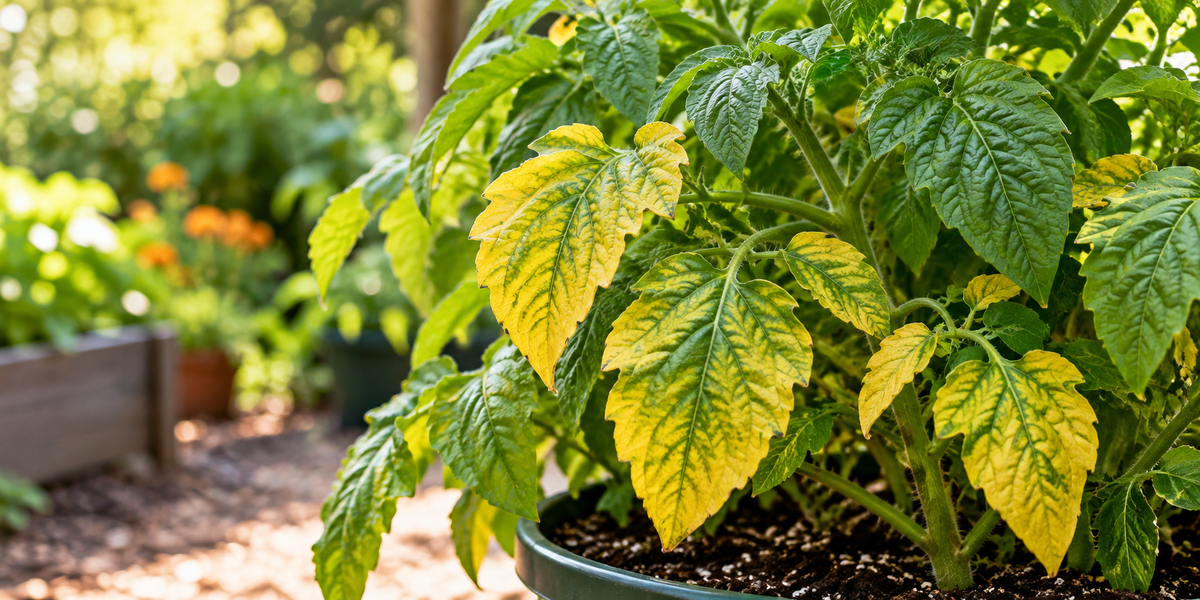
Are older leaves turning yellow first? Is the yellowing between the veins? Different patterns can offer clues about nutrient availability and other growing conditions.
Step 4: Evaluate Light and Temperature
Check whether your plant is receiving appropriate sunlight and whether recent temperature changes could be contributing to stress.
Step 5: Support Healthy Soil and Roots
Once you've identified and addressed the underlying issue, maintain suitable moisture, balanced nutrition, and healthy soil conditions to support new growth.
Keep Your Plants Greener, Longer
- Water consistently: Check soil moisture instead of following a rigid watering schedule.
- Prioritize drainage: Choose growing media and containers suited to your plants.
- Feed appropriately: Match fertilizer choices to your plant's needs and growing conditions.
- Support living soil: Maintain organic matter and conditions that encourage beneficial soil biology.
- Watch for early signs: Regularly inspect leaves, roots, and soil before small problems become bigger ones.


Remember: Yellow leaves don't always turn green again. Look for healthy new growth as your plant recovers.
GreenGro Can Help
Healthy Leaves Start with Healthy Growing Conditions
Yellowing leaves can have many causes, but healthy roots and balanced nutrition are important foundations for plant health.
Depending on your plant's needs, these GreenGro products may complement your care routine.

Ultrafine Myco
A microbial amendment designed to support beneficial root-zone relationships in established plants.
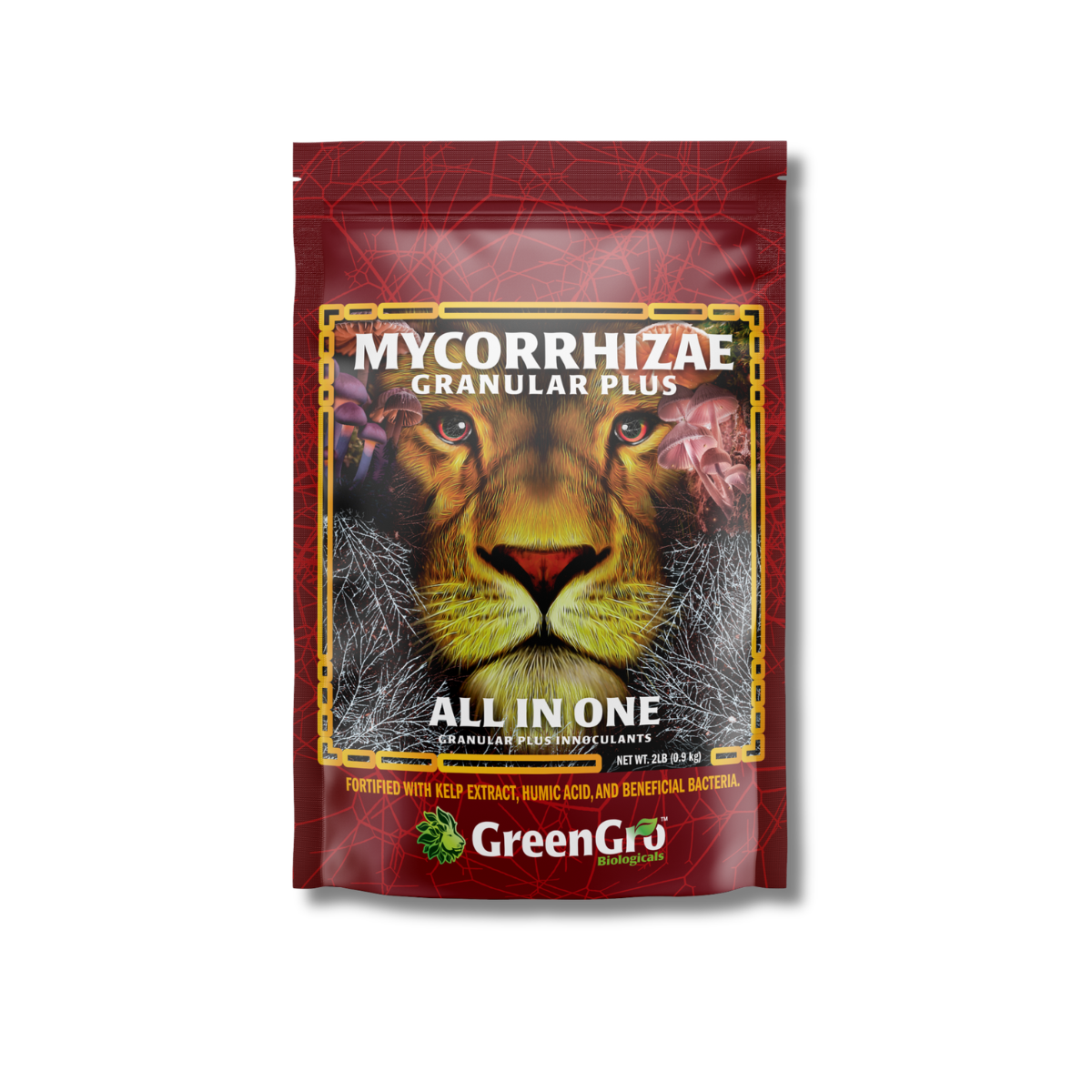
Granular Plus Myco
A premium granular biological amendment suited to planting and transplanting applications.

Green Aminos
An amino acid-based plant supplement that can complement a balanced plant nutrition program.
Still Need Help With Your Plant?
Not sure what's going on? We're happy to help!
Reach out to us at info@thegreengro.com, and let's get your garden back on track.