

Plant & Soil Problem Solver
Why Are My Plant's Leaf Tips Turning Brown?
Brown tips are small warning signs. Let's find out what's behind them.
Dry, crispy leaf tips can be frustrating, especially when the rest of your plant looks healthy. From inconsistent watering to mineral buildup and environmental stress, discover what may be causing those brown edges and how to prevent further damage.
Brown Leaf Tips? Your Plant May Be Under Stress
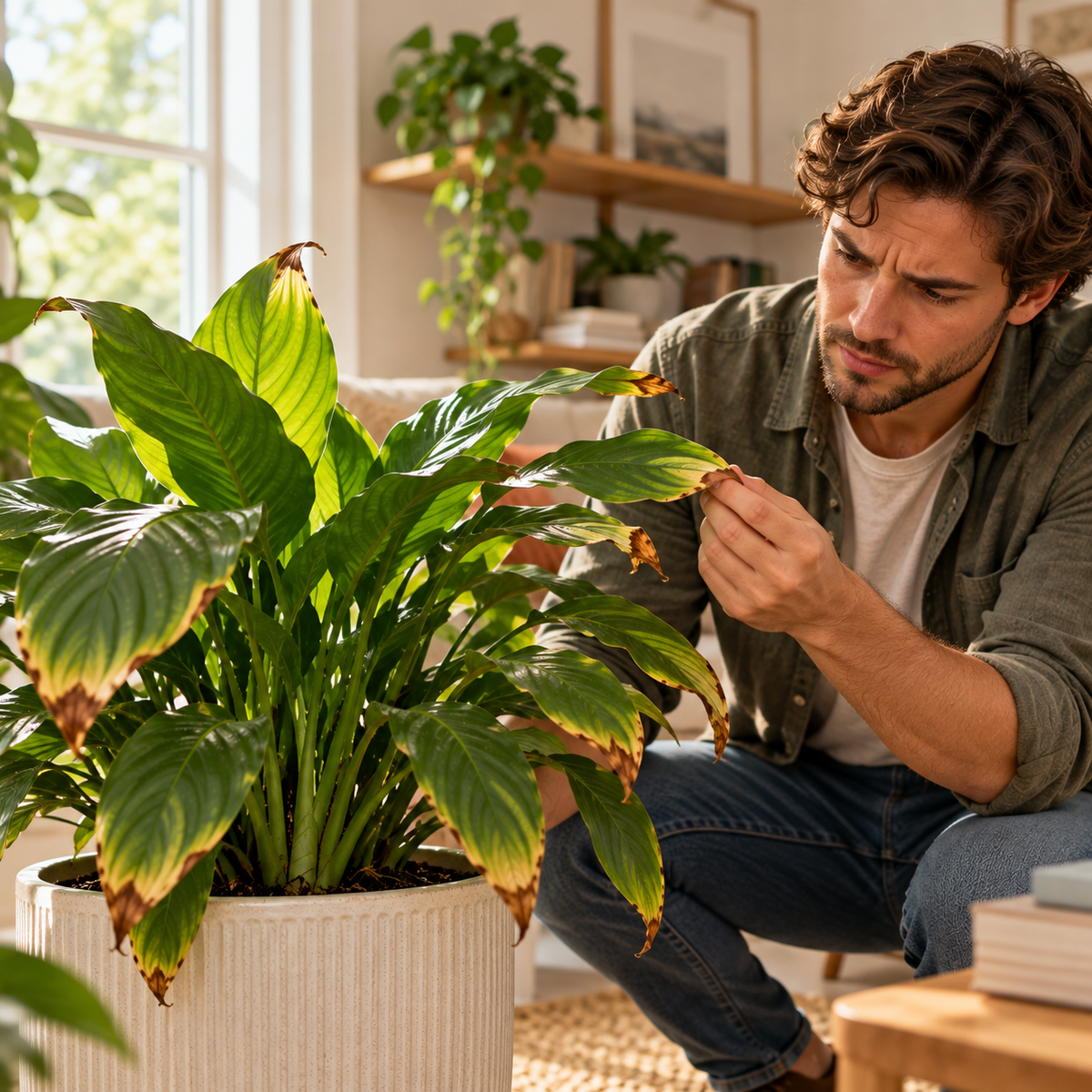
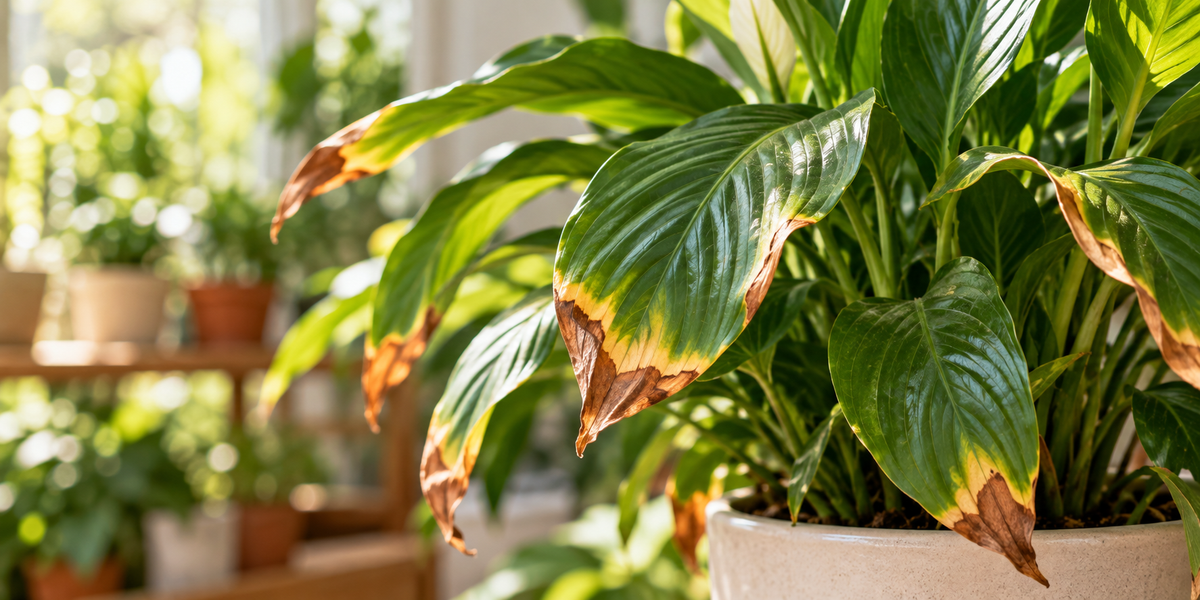
When the tips or edges of your plant's leaves turn brown, it usually means those areas of leaf tissue have become damaged.
Unlike temporary wilting, brown and crispy tissue generally won't return to green.
The good news? Brown tips don't necessarily mean your entire plant is unhealthy.
They can result from moisture imbalances, excess dissolved salts, dry air, or other growing conditions that interfere with normal water movement through the plant.
The goal isn't to repair the damaged tips. It's to understand what's causing them and protect healthy new growth.
What's Causing Your Leaf Tips to Turn Brown?
01
Inconsistent Watering
Repeated cycles of very dry and overly wet soil can stress roots and interfere with consistent moisture uptake.
02
Low Humidity
Plants adapted to humid environments may develop dry leaf tips when the surrounding air is consistently too dry.
03
Fertilizer or Salt Buildup
Excess fertilizer or dissolved minerals can accumulate in growing media, making it harder for roots to absorb water.
04
Poor Root Health
Compacted soil, damaged roots, or drainage problems may limit a plant's ability to take up the water it needs.
05
Water Quality
Some sensitive plants can develop brown tips from minerals or substances in irrigation water, including fluoride or accumulated salts.
06
Environmental Stress
Intense sunlight, hot or cold drafts, and sudden changes in growing conditions can damage leaf edges.
5 Steps to Prevent Further Leaf Damage
Step 1: Check Your Watering Routine
Feel the soil before watering. Aim for a consistent moisture pattern suited to your plant rather than allowing repeated extremes.
Step 2: Examine Your Growing Conditions
Consider whether your plant is exposed to dry air, heating vents, air conditioning, intense afternoon sunlight, or sudden temperature changes.
Step 3: Review Your Fertilizer Use
Check product labels and application rates. If you suspect excess fertilizer or salt buildup, avoid adding more until you've assessed the situation.
Step 4: Inspect Soil and Drainage
Make sure water can move through the growing medium and excess moisture can escape. Healthy roots need access to both water and oxygen.
Step 5: Monitor Healthy New Growth
Focus on preventing additional damage. Existing brown tips usually won't recover, but new leaves can help you evaluate whether your adjustments are working.
Small Changes Can Make a Big Difference
- Keep watering consistent: Learn your plant's moisture needs and check the soil regularly.
- Avoid overfertilizing: Follow product directions and adjust feeding to your plant's growth stage.
- Pay attention to humidity: Give humidity-loving plants an environment suited to their needs.
- Maintain healthy soil: Support drainage, appropriate moisture retention, and healthy root conditions.
- Watch your water quality: If a sensitive plant repeatedly develops brown tips, consider whether irrigation water may be contributing.


Remember: A few brown tips don't always mean something is seriously wrong. Look at the entire plant and its growing environment before making major changes.
GreenGro Can Help
Support Better Growing Conditions from the Ground Up
Brown leaf tips can have several causes, but consistent moisture and healthy root conditions are important parts of preventing further stress.
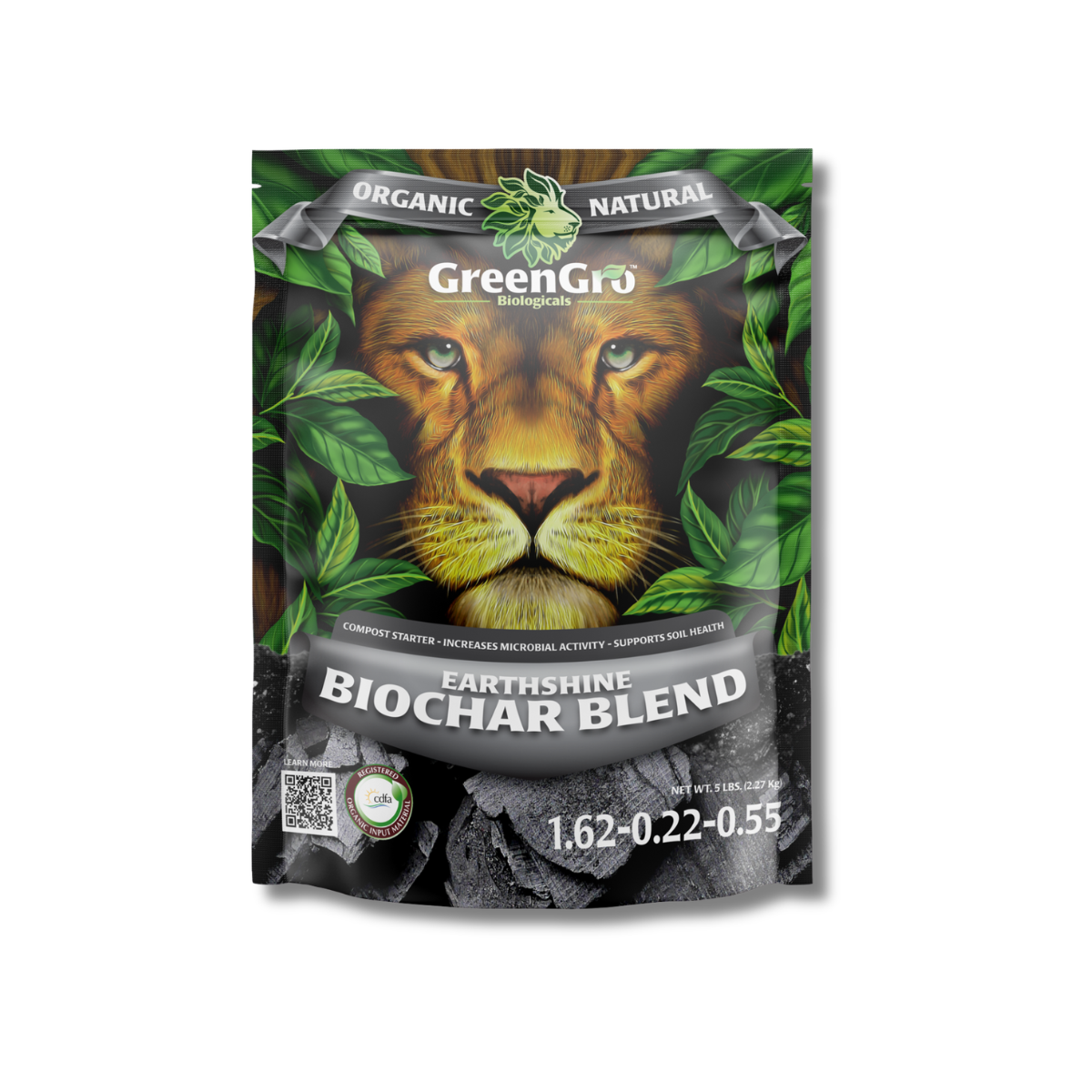
Depending on what's affecting your plant, these GreenGro products may complement your care routine.

Still Need Help With Your Plant?
Not sure what's going on? We're happy to help!
Reach out to us at info@thegreengro.com, and let's get your garden back on track.