

Plant & Soil Problem Solver
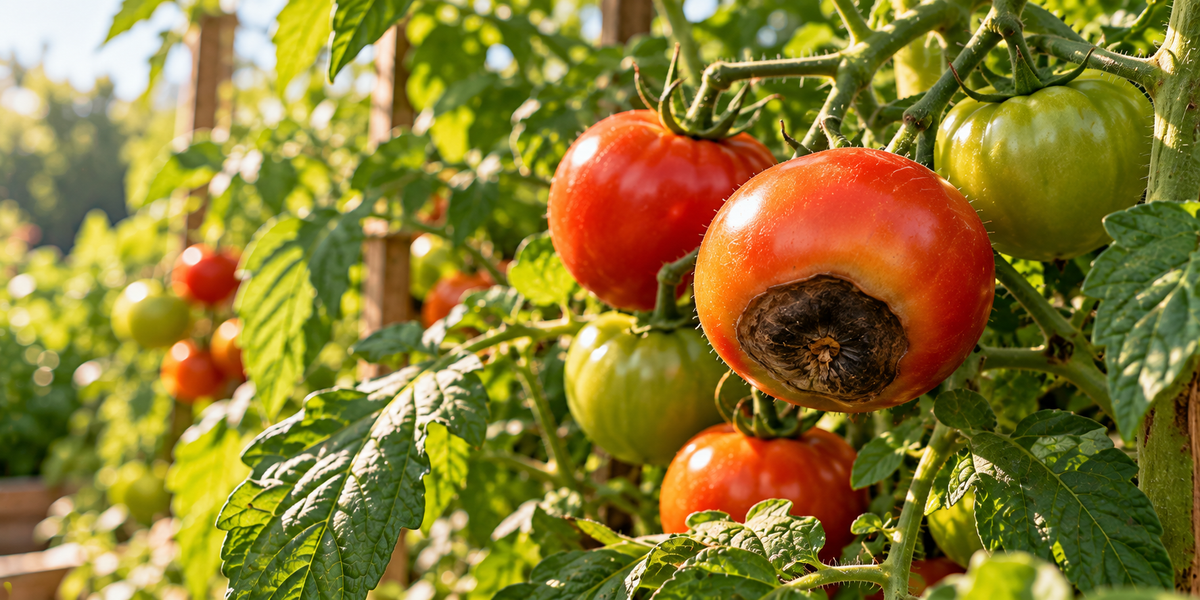
Why Are the Bottoms of My Tomatoes Turning Black?
Healthy-looking tomatoes with dark, sunken bottoms? Let's get to the root of it.
Noticing dark, leathery spots forming on the bottoms of your tomatoes? You may be dealing with blossom-end rot, a common physiological disorder that can also affect peppers, squash, and other fruiting vegetables. Learn what causes it, why consistent watering matters, and how to help protect your developing harvest.
It's Not a Disease. It's a Calcium-Related Growing Problem
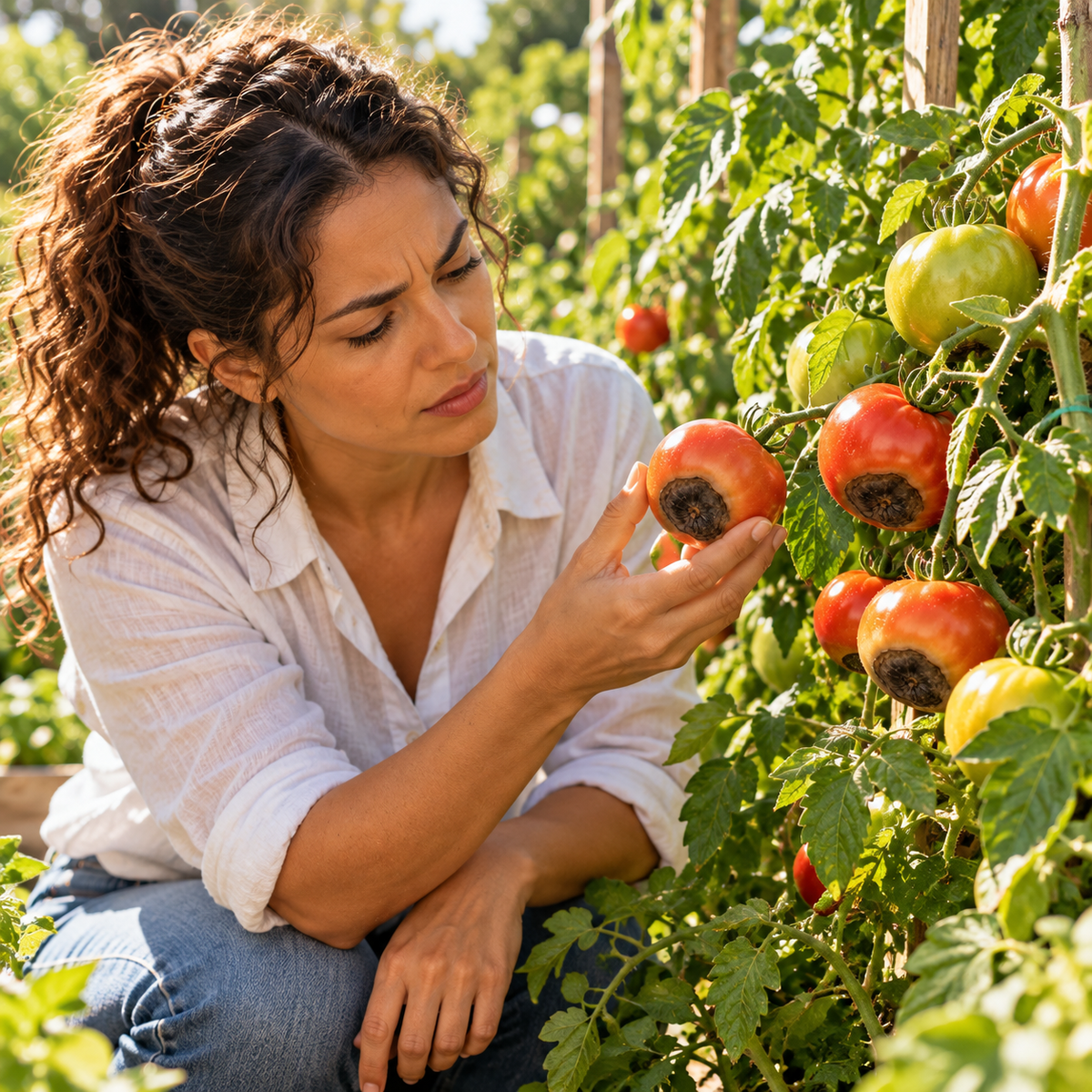
Blossom-end rot typically appears as a water-soaked spot at the blossom end of developing fruit. As the affected area grows, it becomes dark, sunken, and leathery.
Despite its appearance, blossom-end rot isn't caused by a fungus or bacteria. It's a physiological disorder associated with insufficient calcium reaching developing fruit tissue.
Calcium plays an essential role in plant cell walls and normal fruit development.
But here's the surprising part: your soil may contain enough calcium, and your plants can still develop blossom-end rot.
Inconsistent watering, root stress, rapid fruit growth, and other growing conditions can interfere with calcium transport to developing fruit.
Blossom-end rot is especially common on tomatoes and peppers, although it can affect certain other crops.
The key isn't simply adding more calcium. It's understanding why your developing fruit isn't receiving enough of it.
What's Causing Blossom-End Rot?
01
Inconsistent Soil Moisture
Alternating between dry and very wet soil can interfere with the steady movement of water and calcium through the plant.
02
Root Stress or Damage
Poor drainage, compacted soil, or damaged roots can limit the plant's ability to absorb water and nutrients efficiently.
03
Rapid Fruit Development
During periods of fast growth, developing fruits may not receive enough calcium to meet their needs.
04
Excessive Fertilization
Too much nitrogen or an imbalance of certain nutrients can contribute to conditions associated with blossom-end rot.
05
Low Calcium Availability
Some soils or growing media may contain insufficient available calcium, although this isn't always the underlying problem.
06
Environmental Stress
High temperatures, drought, and other stressful conditions can disrupt water uptake and calcium transport during fruit development.
How to Manage Blossom-End Rot in 5 Steps
Step 1: Identify the Affected Fruit
Look for dark, sunken, leathery patches at the blossom end of tomatoes, peppers, or other susceptible crops. Check that the symptoms match blossom-end rot rather than another type of fruit damage.
Step 2: Maintain Consistent Soil Moisture
Water deeply and appropriately for your growing conditions. Avoid allowing the root zone to become extremely dry or repeatedly waterlogged.
Step 3: Add Mulch When Appropriate
Apply a suitable layer of organic mulch around garden plants to help moderate soil moisture fluctuations. Keep mulch away from direct contact with plant stems.
Step 4: Review Soil Nutrition and Root Health
Check drainage, root-zone conditions, and fertilization practices. If calcium deficiency is suspected, use a soil or growing-media test before applying additional calcium.
Step 5: Monitor New Fruit Development
Severely damaged areas won't return to normal. Remove affected fruit when appropriate and focus on improving conditions for fruit that develops afterward.
Protect Your Harvest Before the Problem Starts
- Water consistently: Avoid dramatic changes between dry and saturated soil.
- Support healthy roots: Maintain suitable drainage, aeration, and growing media conditions.
- Mulch garden beds: Help reduce rapid changes in soil moisture during hot or dry weather.
- Fertilize thoughtfully: Avoid excessive nitrogen and use a nutrition program suited to your crops.
- Test before adding calcium: Apply calcium amendments only when needed and appropriate for your soil or growing media.


Remember: Blossom-end rot doesn't automatically mean your soil needs more calcium. Consistent watering and healthy root conditions are often the most important places to start.
GreenGro Can Help
Support Healthy Roots, Balanced Nutrition, and Better Growing Conditions
Blossom-end rot prevention starts with consistent watering, healthy root conditions, and appropriate nutrient availability.
Explore GreenGro products that can complement your fruiting vegetable care routine.

Green Aminos
Complement your plant nutrition program with Green Aminos as part of a thoughtful approach to caring for fruiting crops.
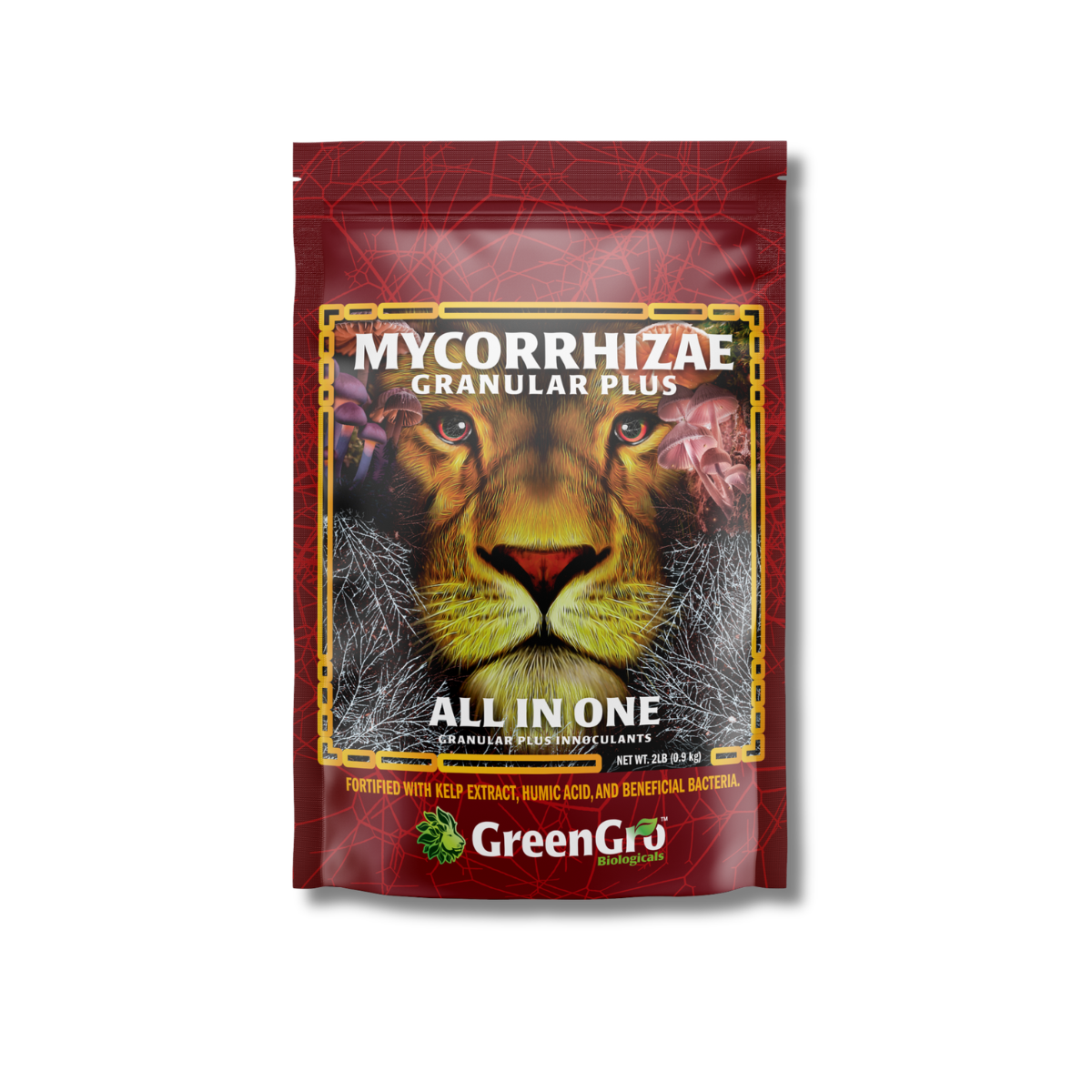
Granular Plus Myco
A premium granular biological amendment suited to planting and transplanting applications.
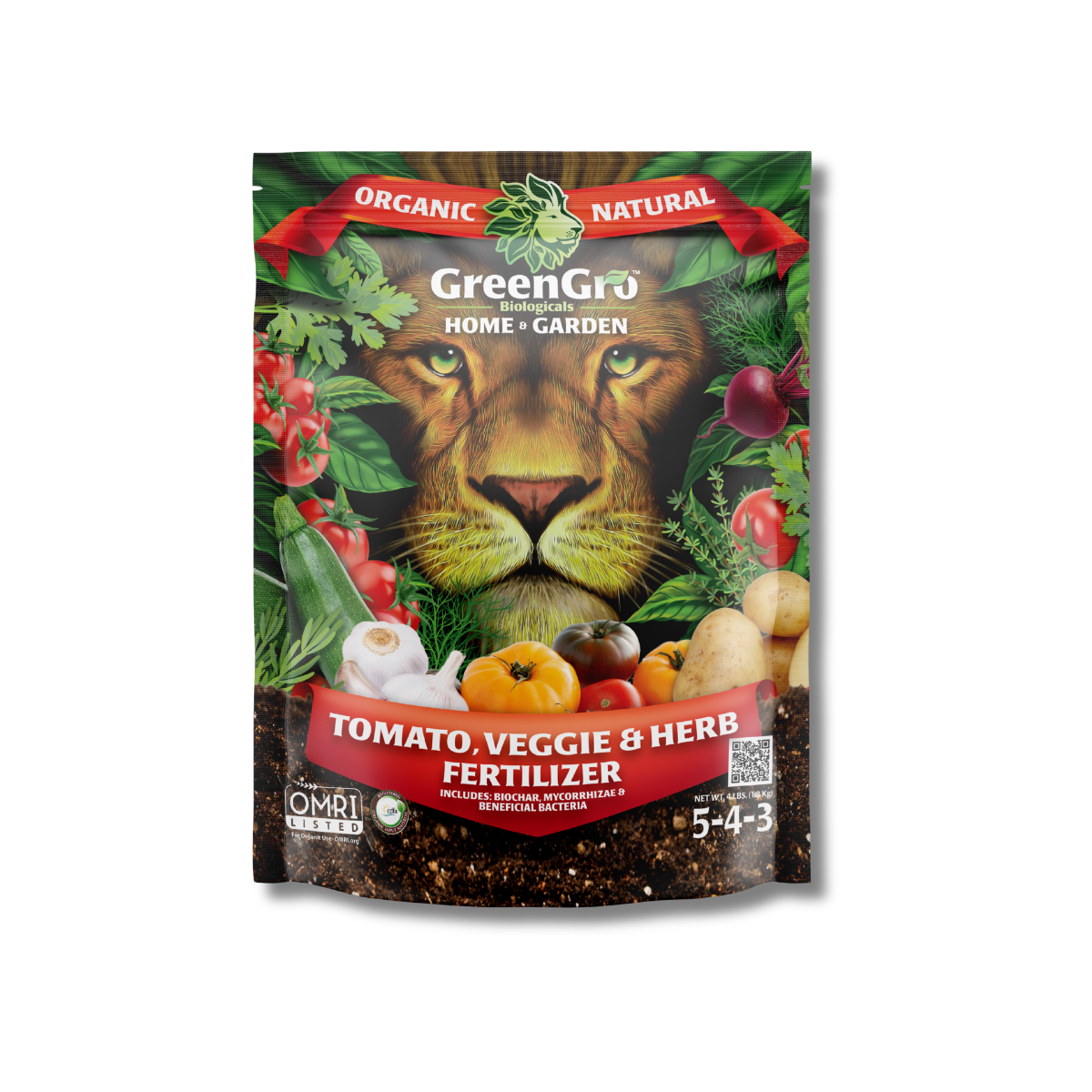
Tomato, Veggie & Herb Fertilizer
Provide tomatoes, peppers, vegetables, and herbs with nutrition formulated for their growing needs. Review the product's nutrient analysis and follow application directions to avoid overfertilization.
Still Need Help With Your Plant?
Not sure what's going on? We're happy to help!
Reach out to us at info@thegreengro.com, and let's get your garden back on track.