

Plant & Soil Problem Solver
Why Is My Garden Producing So Little?
Putting in the work but not seeing the harvest? Let's change that.
You've planted, watered, and cared for your garden, but the harvest is smaller than you expected. Low yields can result from several factors, including sunlight, pollination, soil conditions, and plant nutrition. Discover what may be limiting your garden's productivity and how to support a healthier, more rewarding growing season.
A Healthy-Looking Garden Doesn't Always Mean a Productive One
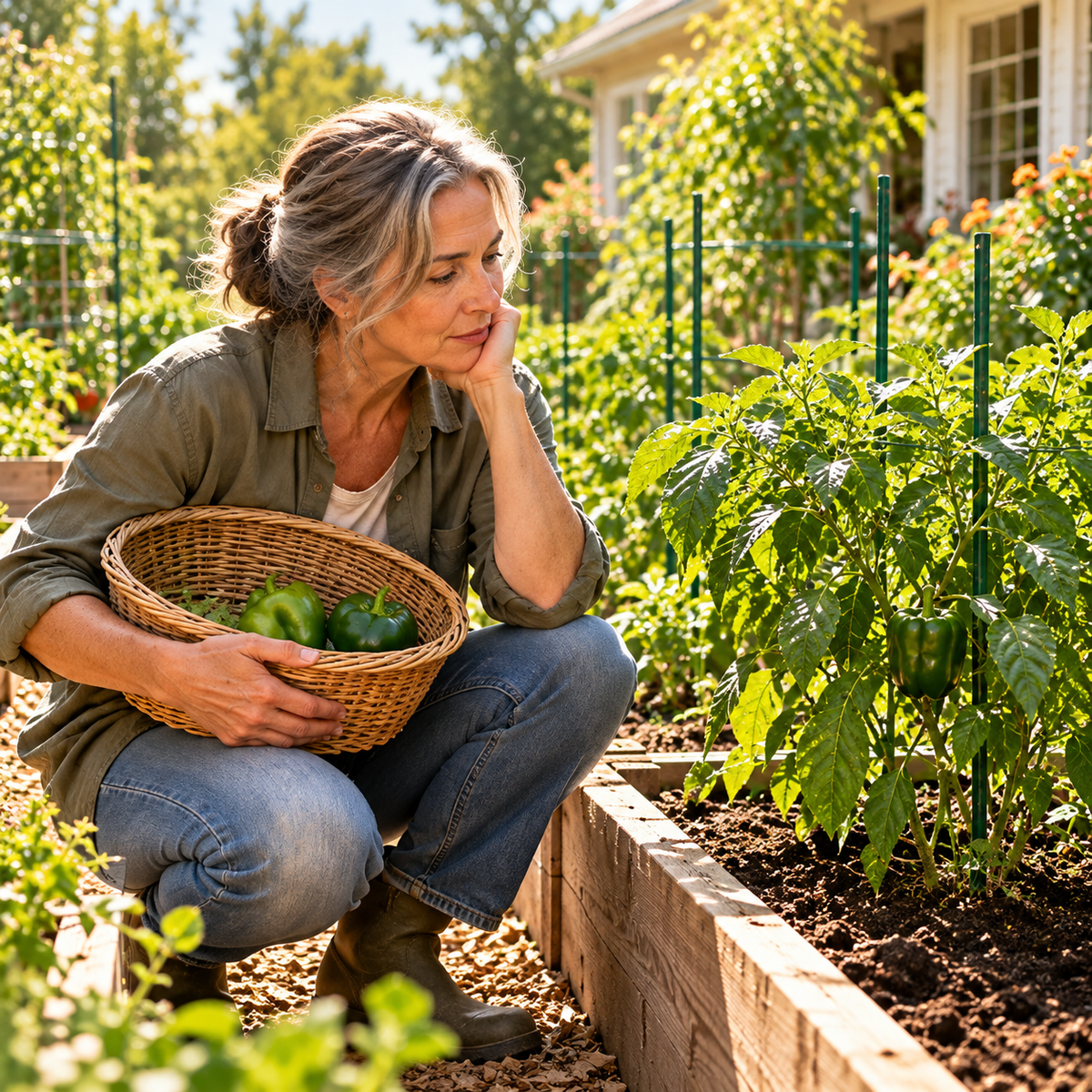
Growing your own vegetables, fruits, and herbs is incredibly rewarding, especially when harvest time arrives.
But sometimes, even plants that look relatively healthy produce fewer fruits or vegetables than expected.
Low yields can mean fewer fruits per plant, smaller harvests, or reduced production throughout the growing season.
Unlike plants that never flower or flowers that fail to develop into fruit, low-yielding plants may successfully produce a harvest, just not as much as they could under suitable conditions.
Productivity depends on several interconnected factors, including plant genetics, sunlight, temperature, pollination, water availability, nutrition, and root health.
It's also important to remember that every crop has a natural production potential, and yields vary by variety, climate, growing space, and season.
The goal isn't simply to grow more plants. It's to create conditions that help the plants you already have reach their potential.
What's Causing Low Yields in Your Garden?
01
Insufficient Sunlight
Many fruiting vegetables need several hours of direct sunlight to support flowering, fruit development, and productive growth.
02
Inadequate Pollination
Poor pollen transfer or unfavorable conditions during flowering can reduce the number of fruits that develop.
03
Nutritional Imbalances
Insufficient nutrients, excessive nitrogen, or imbalanced fertilization may limit growth and reproductive development.
04
Inconsistent Watering
Drought stress, overwatering, and large fluctuations in soil moisture can affect fruit size, quality, and overall productivity.
05
Poor Root-Zone Conditions
Compacted soil, inadequate drainage, or limited root development can interfere with water and nutrient uptake.
06
Temperature, Pests, or Disease Stress
Extreme temperatures, pest damage, and plant diseases can reduce photosynthesis, fruit set, and the energy available for producing a harvest.
How to Improve Garden Yields in 5 Steps
Step 1: Evaluate Sunlight and Growing Conditions
Check whether your crops receive the light and temperatures they need. For future plantings, choose locations and varieties suited to your growing environment.
Step 2: Check Flowering and Pollination
Observe whether plants are producing flowers and setting fruit. Encourage pollinators where needed, and address crop-specific pollination challenges.
Step 3: Review Soil and Plant Nutrition
Consider soil testing to identify nutrient or pH concerns. Choose a fertilizer appropriate for your crops and avoid excessive applications.
Step 4: Improve Watering and Root Health
Maintain consistent soil moisture, ensure adequate drainage, and address compaction or other conditions that restrict healthy root growth.
Step 5: Monitor Plant Health and Harvest Regularly
Inspect for pests and diseases, manage problems promptly, and harvest crops at the appropriate stage. For some vegetables, regular harvesting encourages continued production.
Build a More Productive Garden, Season After Season
- Choose suitable varieties: Select crops adapted to your climate, available sunlight, and growing space.
- Start with healthy soil: Maintain suitable drainage, aeration, and nutrient availability.
- Water consistently: Avoid prolonged drought and waterlogged conditions, especially during flowering and fruit development.
- Support pollination: Encourage beneficial insects and understand the pollination needs of your crops.
- Feed and harvest thoughtfully: Follow an appropriate fertilization program and harvest regularly when recommended for the crop.


Remember: Bigger plants don't always mean bigger harvests. Healthy roots, balanced nutrition, successful pollination, and suitable growing conditions all contribute to productivity.
GreenGro Can Help
Give Your Garden a Stronger Foundation for a Better Harvest
A productive garden starts with healthy soil, strong roots, balanced nutrition, and the right growing conditions.
Explore GreenGro products that can support your garden throughout the growing season.
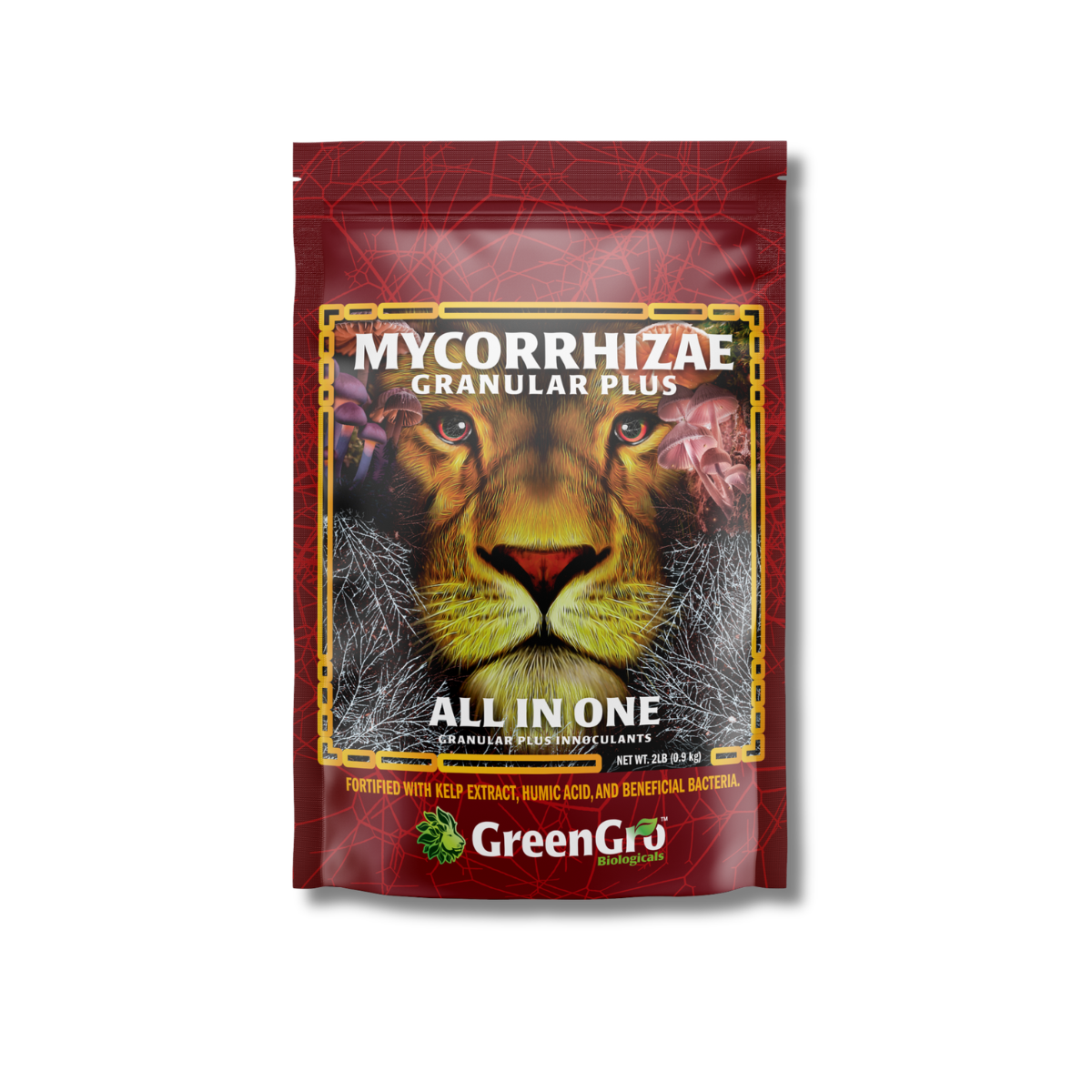
Granular Plus Myco
Support root development in compatible plants with beneficial mycorrhizal fungi that help roots access water and nutrients more efficiently.
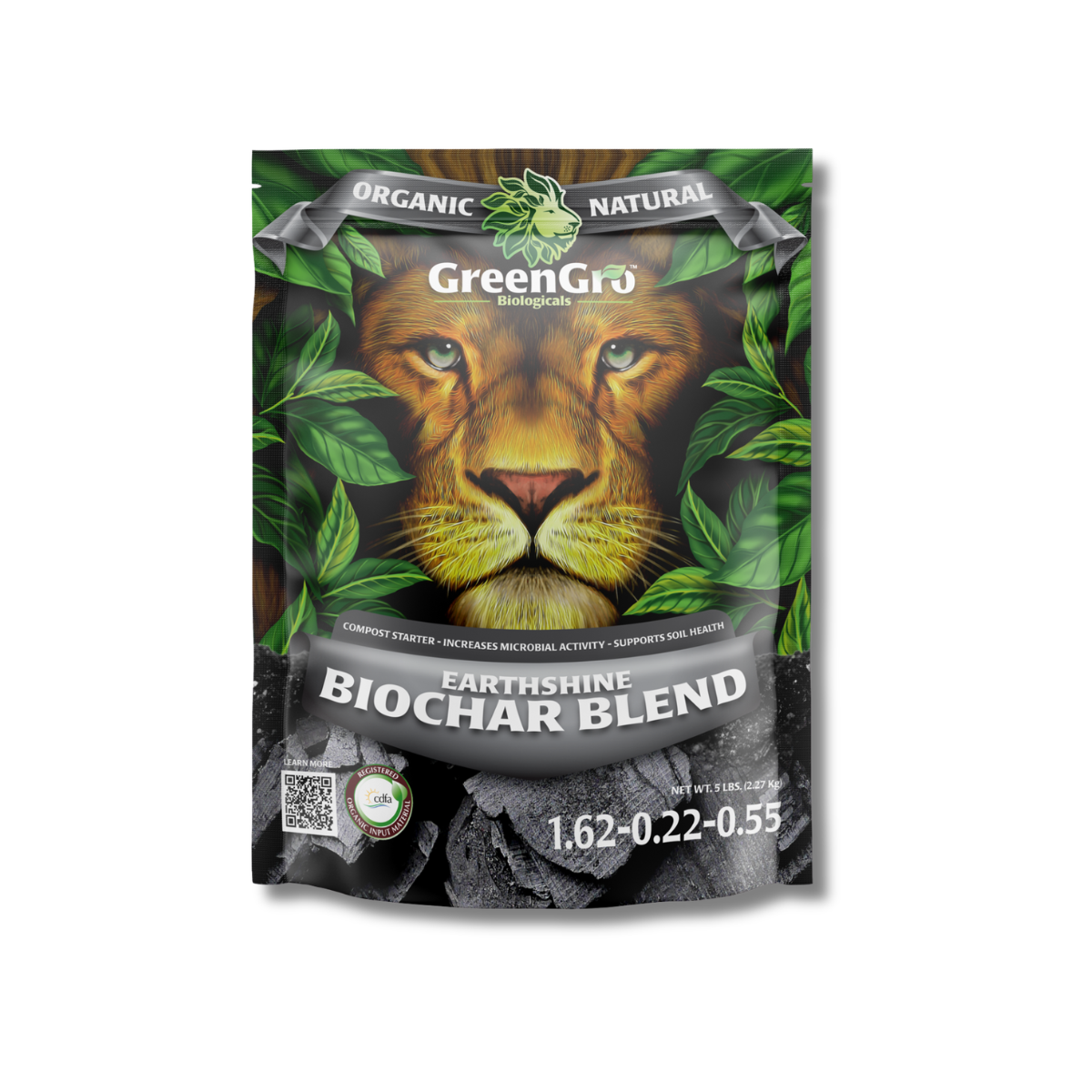
Earthshine Biochar
Support soil health with a biochar-based amendment that can help improve growing conditions when incorporated appropriately into your soil.
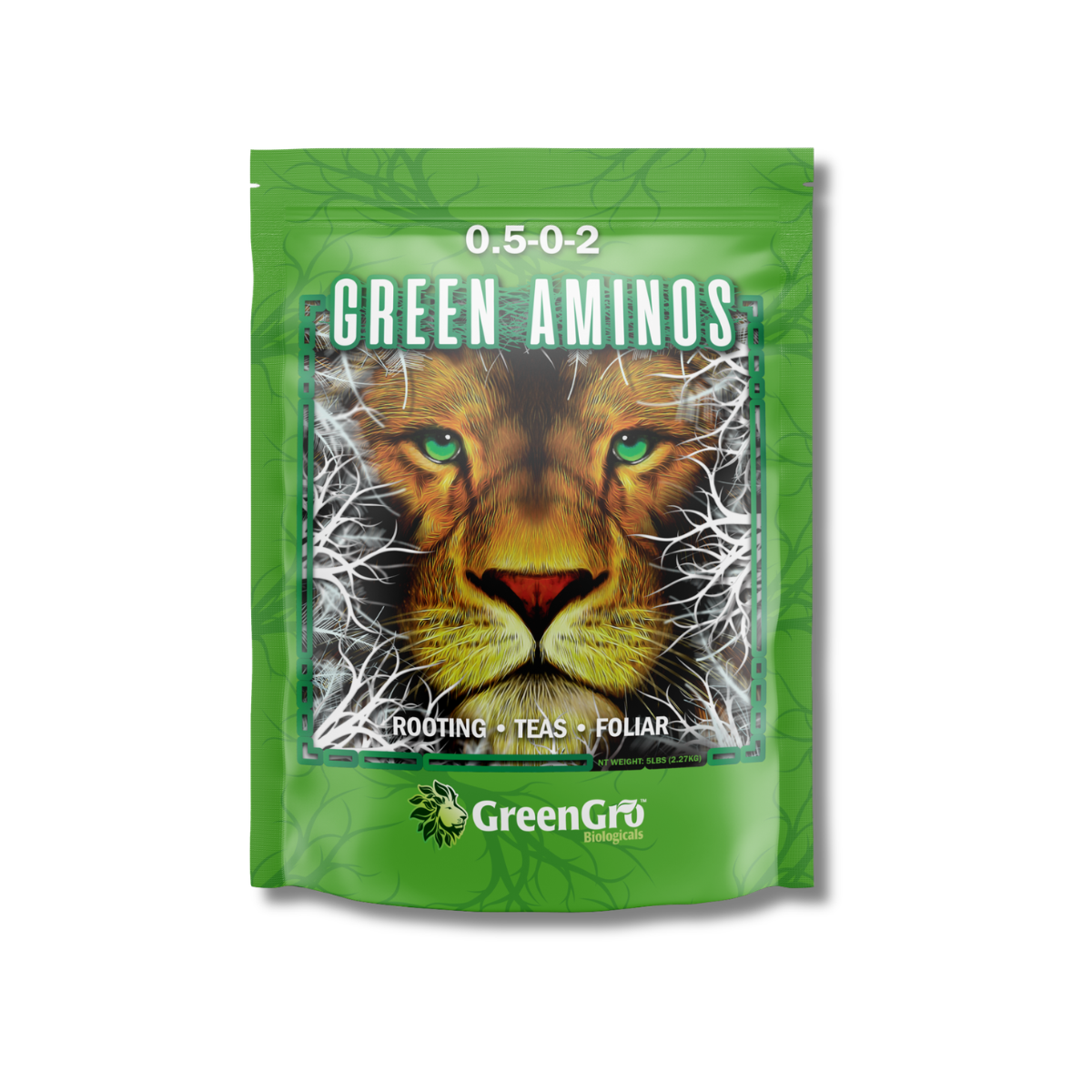
Green Aminos
Complement your plant nutrition routine with amino acid-based support as part of a balanced growing program.
Tomato, Veggie & Herb Fertilizer
Give tomatoes, vegetables, and herbs nutrition formulated for their growing needs throughout the growing season.
Still Need Help With Your Plant?
Not sure what's going on? We're happy to help!
Reach out to us at info@thegreengro.com, and let's get your garden back on track.