

Plant & Soil Problem Solver
Am I Overwatering My Plants?
Too much water can be just as harmful as too little. Let's find the right balance.
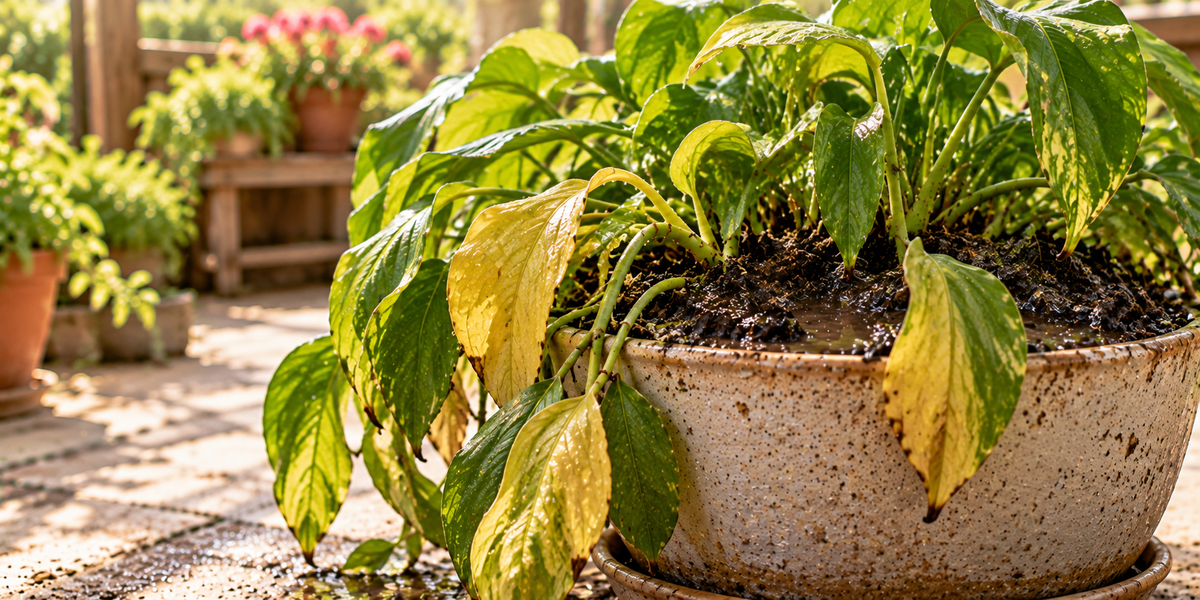
Yellowing leaves, drooping stems, and constantly wet soil may be signs that your plants are getting more water than they need. Learn how to recognize overwatering, protect your roots, and build healthier watering habits.
Too Much Water? Your Roots May Be Struggling to Breathe

Water is essential for plant growth, but roots need oxygen too.
Healthy soil contains tiny spaces that hold both air and water. When soil stays saturated for too long, water fills those spaces and reduces the oxygen available to roots.
Without enough oxygen, roots may struggle to function properly, making it harder for plants to absorb the water and nutrients they need.
That's why overwatered plants can sometimes look surprisingly similar to underwatered ones.
Over time, prolonged saturation may also create conditions that favor root diseases.
The goal isn't to water less at all costs. It's to give your plants the right amount of moisture at the right time.
What's Causing Your Plants to Get Too Much Water?
01
Watering Too Frequently
Watering on a fixed schedule without checking soil moisture can keep the root zone wetter than your plant needs.
02
Poor Drainage
Compacted soil, dense growing media, or blocked drainage holes can prevent excess water from escaping.
03
Pots Without Drainage Holes
Containers without adequate drainage can trap water around the roots, even when watering seems moderate.
04
Oversized Containers
A pot that's much larger than the root system may hold moisture for longer than a small plant can use it.
05
Low Light or Cool Temperatures
Plants often use water more slowly in cooler or lower-light conditions, so their watering needs may decrease.
06
Water-Retentive Growing Media
Some soil mixes hold too much moisture for certain plants, particularly those that prefer faster-draining conditions.
5 Steps to Help an Overwatered Plant Recover
Step 1: Check the Soil Moisture
Feel the soil below the surface and check whether it remains unusually wet. If the root zone is already saturated, avoid adding more water.
Step 2: Remove Standing Water
Empty saucers and decorative outer pots that contain accumulated water. Make sure excess water can drain freely.
Step 3: Improve Drainage and Airflow
Check that your container has functioning drainage holes and that the growing medium is appropriate for your plant.
Step 4: Inspect the Roots if Symptoms Persist
If the plant continues declining, gently inspect its roots for signs of damage, such as soft or decaying tissue. Severely affected plants may need fresh, suitable growing media and removal of damaged roots.
Step 5: Adjust Your Watering Routine
Allow the growing medium to reach an appropriate moisture level before watering again. Monitor your plant's response and look for healthy new growth.
Better Watering Habits Start with Understanding Your Soil
- Check before you water: Use soil moisture, plant needs, and growing conditions to guide your routine.
- Choose containers with drainage: Give excess water a way to escape.
- Use the right growing mix: Different plants need different balances of moisture retention and drainage.
- Adjust with the seasons: Plants may need less frequent watering during cooler or lower-light periods.
- Pay attention to your roots: Healthy root conditions are essential for efficient water and nutrient uptake.


Remember: Wilting doesn't always mean your plant is thirsty. Check the soil before adding more water.
GreenGro Can Help
Healthy Roots Need More Than Just Water
Overwatering can limit oxygen availability and interfere with healthy root function.
Correcting your watering routine and improving drainage should always come first. Once suitable growing conditions are restored, biological soil amendments may complement your ongoing soil care routine.
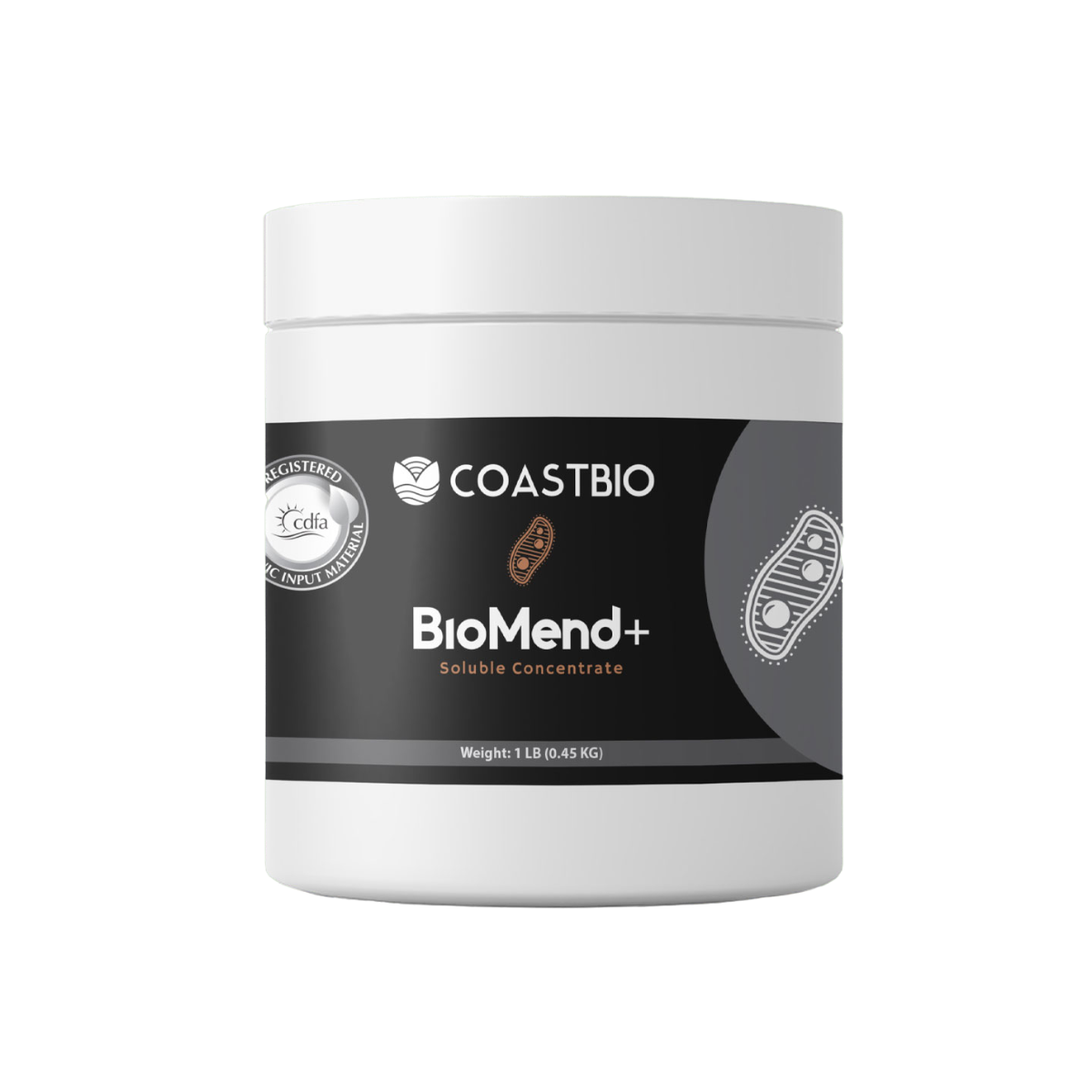
BioMend+
A biological soil amendment that may complement a broader root-zone and soil management program when used according to product directions.
Still Need Help With Your Plant?
Not sure what's going on? We're happy to help!
Reach out to us at info@thegreengro.com, and let's get your garden back on track.