

Plant & Soil Problem Solver
Is Your Plant Not Getting Enough Water?
When your plants are thirsty, every drop matters. Let's restore the balance.
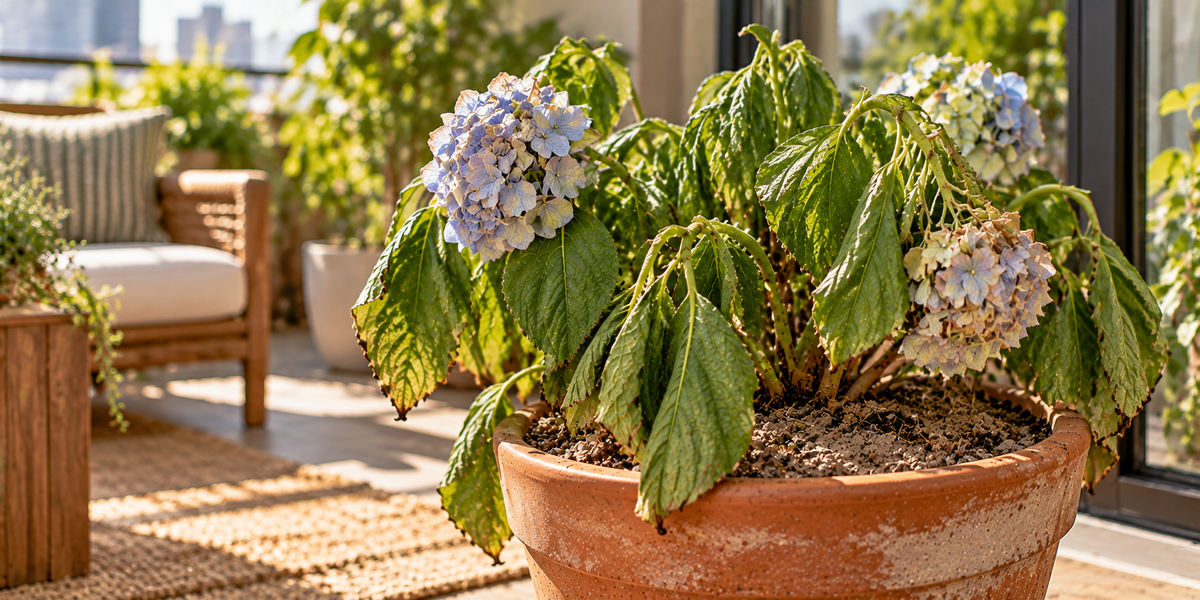
Dry soil, drooping leaves, and slowed growth may be signs that your plants aren't getting the moisture they need. Learn how to recognize underwatering, help your plants recover, and build healthier watering habits.
Not Enough Water? Your Plant May Be Running on Empty

Water plays an essential role in nearly every part of plant growth, from transporting nutrients to keeping leaves and stems firm.
When soil becomes too dry, roots may struggle to absorb enough water to replace the moisture plants lose through their leaves.
As water availability decreases, plant cells lose turgor pressure, causing leaves and stems to wilt or droop.
If the problem continues, leaves may curl, develop dry edges, or eventually turn brown.
But here's something important: wilting doesn't always mean underwatering. Overwatered plants can show similar symptoms.
The first step is checking your soil, not automatically reaching for the watering can.
What's Causing Your Plants to Dry Out?
01
Infrequent Watering
Long periods between watering sessions may allow the root zone to dry beyond what your plant can tolerate.
02
High Temperatures
Hot weather increases evaporation and can cause plants to lose water more quickly.
03
Fast-Draining Growing Media
Some growing mixes dry out rapidly, especially in small containers or warm environments.
04
Small or Root-Bound Containers
Plants with crowded roots or limited soil volume may exhaust available moisture more quickly.
05
Wind and Low Humidity
Dry air and strong winds can increase water loss through leaves.
06
Uneven Watering
Applying too little water at a time may leave deeper roots dry, even when the soil surface briefly appears moist.
5 Steps to Help a Thirsty Plant Recover
Step 1: Check the Soil Moisture
Feel the soil below the surface. If the root zone is dry and your plant is showing signs of dehydration, it may be time to water.
Step 2: Water Thoroughly and Gradually
Apply water slowly so it can soak into the growing medium and reach the roots. For containers, water until excess moisture begins draining from the bottom.
Step 3: Rehydrate Very Dry Potting Mix
If water runs straight through a dry pot without soaking in, the mix may have become water-repellent. Rewet it gradually or use a short bottom-watering soak for a container with drainage holes, then allow it to drain completely.
Step 4: Reduce Additional Stress
Temporarily protect a severely wilted plant from intense afternoon sunlight or drying winds while it recovers.
Step 5: Monitor Recovery and Adjust
Leaves may regain firmness after proper watering if the damage isn't severe. Watch for healthy new growth and adjust your watering routine to prevent repeated drought stress.
Help Your Plants Stay Hydrated and Healthy
- Check moisture regularly: Monitor the root zone rather than relying only on a calendar.
- Water deeply when needed: Ensure moisture reaches the active root system.
- Choose suitable growing media: Use soil or potting mixes that balance drainage with appropriate moisture retention.
- Protect soil from excessive drying: Mulch can help reduce evaporation in suitable outdoor growing areas.
- Adjust for weather and growth: Plants may need more frequent watering during hot, windy periods or active growth.


Remember: Healthy watering doesn't mean keeping soil constantly wet. It means providing moisture when your plant needs it while allowing roots access to oxygen.
GreenGro Can Help
Better Moisture Management Starts with Healthy Soil
Underwatering can leave plants struggling to absorb the moisture they need for healthy growth.
A consistent watering routine should always come first, but the right soil conditions can also help support moisture availability and root development.
Depending on your growing environment, these GreenGro products may complement your care routine.
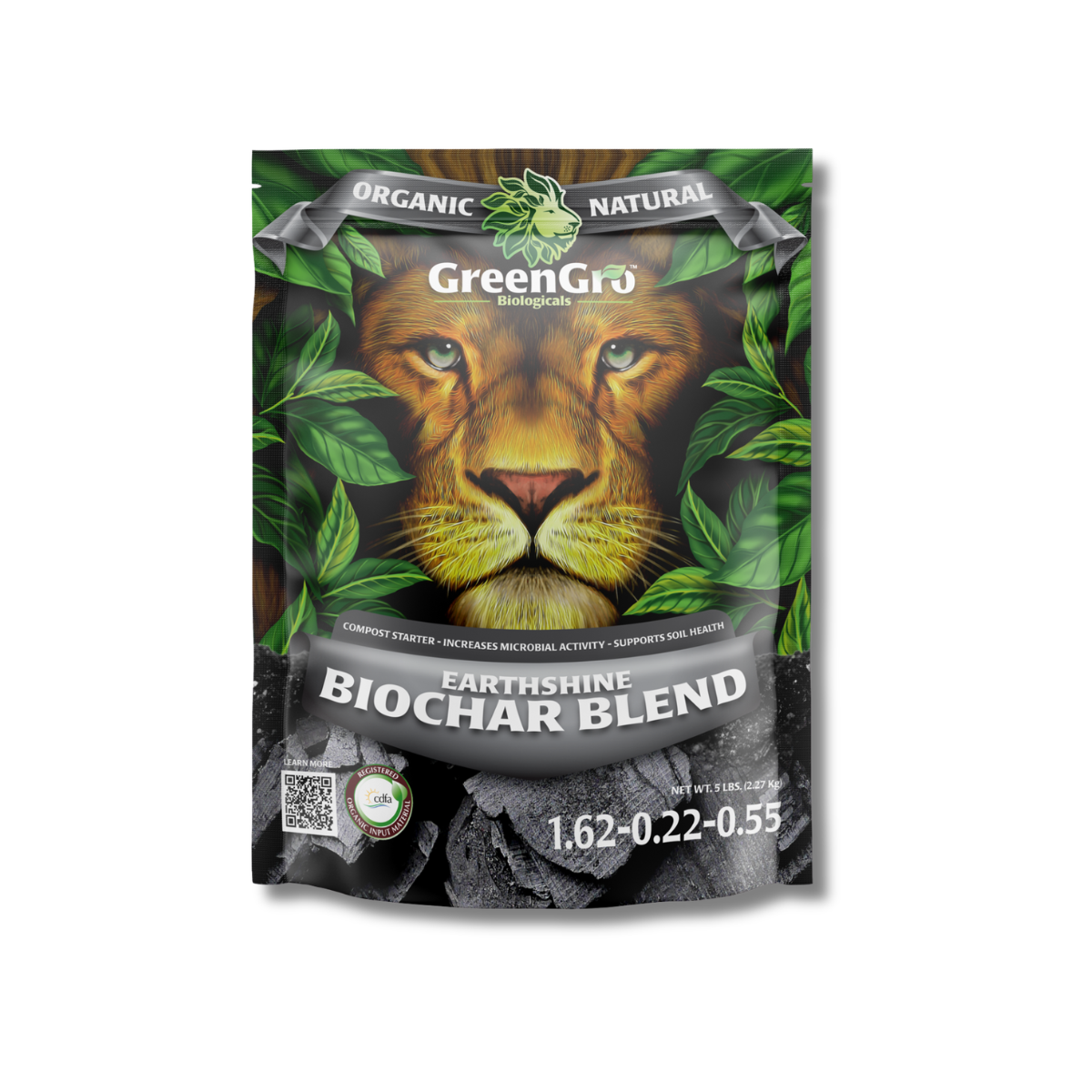
Earthshine Biochar
A biochar-based soil amendment that can contribute to moisture and nutrient retention in suitable soil mixes as part of a broader soil improvement approach.
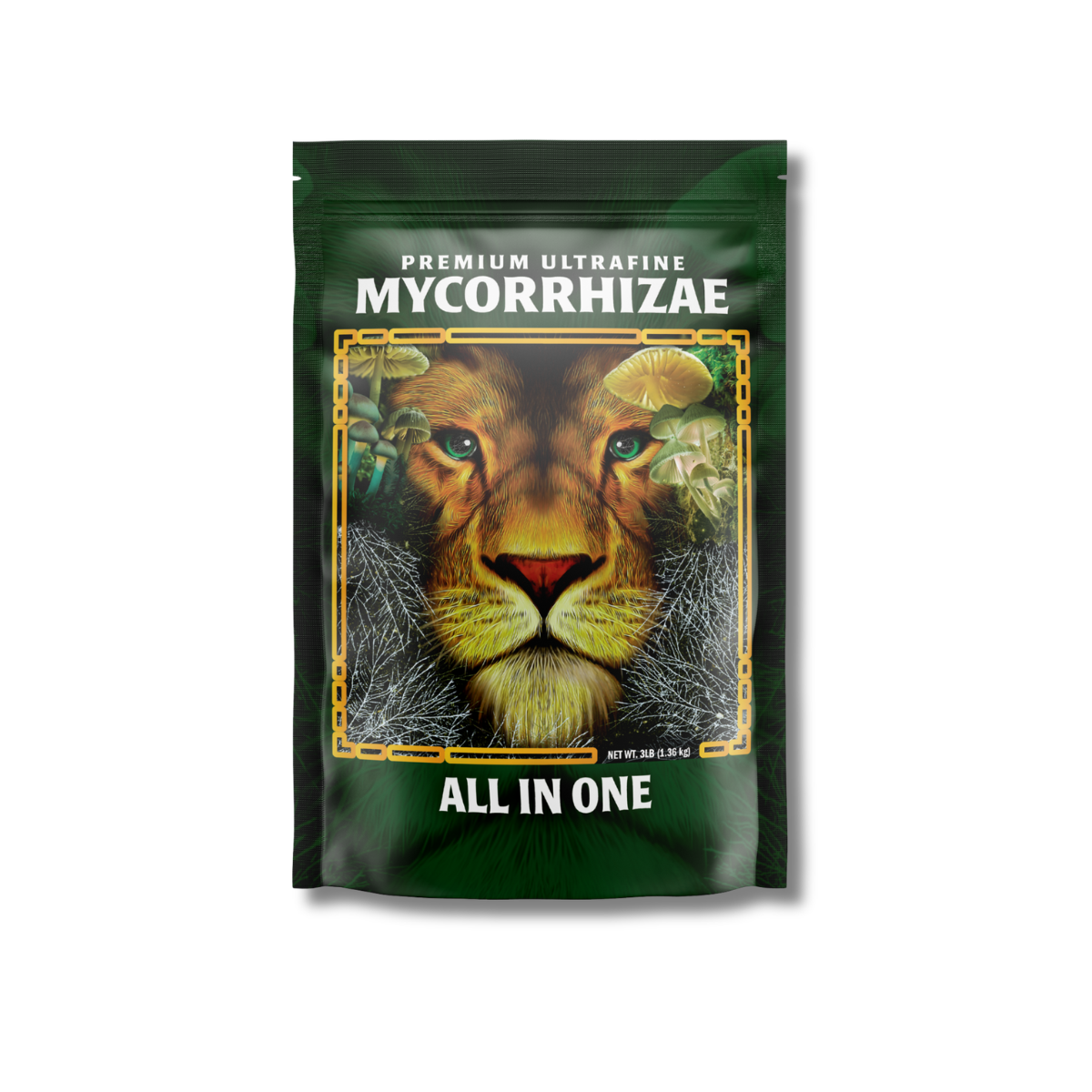
Ultrafine Myco
A microbial amendment designed to support beneficial root-zone relationships in established plants.
Still Need Help With Your Plant?
Not sure what's going on? We're happy to help!
Reach out to us at info@thegreengro.com, and let's get your garden back on track.