
Plant & Soil Problem Solver
Why Is My Plant Flowering but Not Producing Fruit?
Plenty of flowers, but no fruit? Let's turn those blooms into a harvest.
Your plants are covered in flowers, but the fruit never seems to appear. From pollination challenges to temperature fluctuations and plant nutrition, several factors can affect fruit development. Learn what might be preventing your flowers from becoming a harvest and how to support healthier fruit production.
Beautiful Blooms Don't Always Guarantee a Harvest
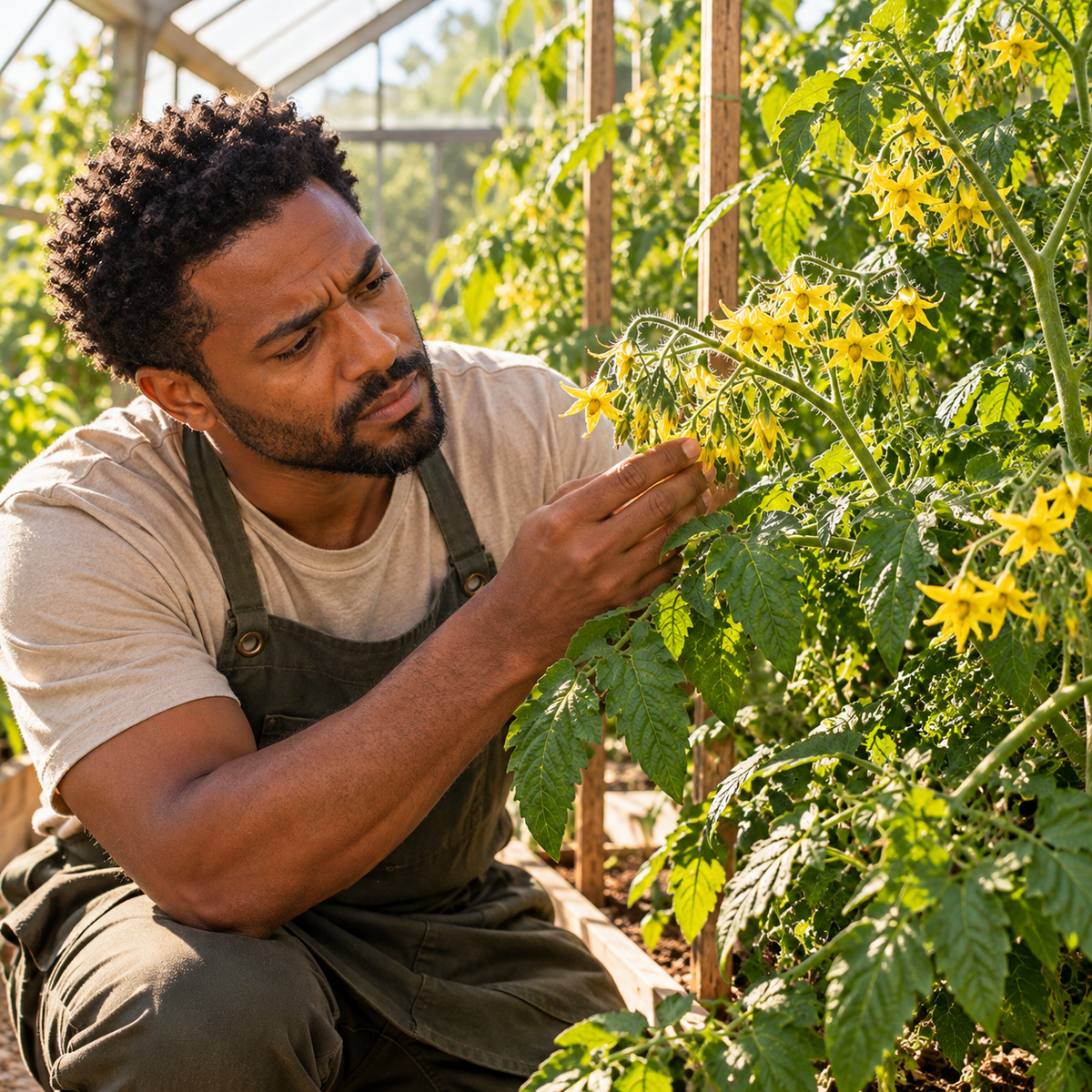
Seeing your vegetable plants covered in flowers is exciting. It's often the first sign that a harvest could be on its way.
But flowering is only one part of the fruit-production process.
Many fruiting plants need successful pollination and fertilization before their flowers can develop into fruit. The exact process varies by plant species.
Tomatoes, for example, have flowers that can self-pollinate, but pollen still needs to be released and transferred within the flower. Wind, vibration, and pollinator activity can help.
Other crops, including many squash and cucumbers, have separate male and female flowers and often depend heavily on pollinators to move pollen between them.
Temperature extremes, water stress, and other growing conditions can also interfere with successful fruit set.
The key is understanding what your plants need after flowering, not just what they need to produce blooms.
Why Are Your Plants Flowering but Not Producing Fruit?
01
Poor Pollination
Insufficient pollen transfer can prevent flowers from developing into fruit, particularly in crops that depend on insect pollinators.
02
Extreme Temperatures
Excessive heat or cold can reduce pollen viability, interfere with fertilization, or cause flowers to drop before fruit develops.
03
Inconsistent Watering
Periods of drought, excessive moisture, or sudden changes in soil moisture can stress plants and affect fruit set.
04
Nutritional Imbalances
Excessive nitrogen or insufficient availability of essential nutrients may contribute to poor reproductive development.
05
Limited Pollinator Activity
Cold, rainy, or windy conditions, limited pollinator habitat, and certain pesticide practices can reduce visits from beneficial insects.
06
Natural Flowering Patterns
Some plants produce male flowers before female flowers, while others may drop a portion of their blossoms naturally. Not every flower is expected to become fruit.
How to Help Your Flowers Become Fruit in 5 Steps
Step 1: Check How Your Plant Is Pollinated
Identify whether your crop is self-pollinating, wind-pollinated, or dependent on insects. Different plants require different approaches.
Step 2: Encourage Successful Pollination
Grow pollinator-friendly flowers nearby and avoid insecticide applications that may harm pollinators. For certain crops, gentle flower vibration or careful hand-pollination can help when appropriate.
Step 3: Monitor Temperature Conditions
Protect plants from extreme heat or cold when possible. Use appropriate shade or season-extension techniques based on the crop and climate.
Step 4: Maintain Consistent Soil Moisture
Water according to your plant's needs, allowing for good drainage while avoiding repeated drought stress or waterlogging.
Step 5: Review Plant Nutrition
Avoid excessive nitrogen and choose a balanced fertilizer program appropriate for fruiting crops. Follow product directions and address any confirmed nutrient deficiencies.
Set Your Garden Up for a Better Harvest
- Support pollinators: Include suitable flowering plants and protect beneficial insects in your garden.
- Choose the right growing season: Plant crops when temperatures are generally favorable for flowering and fruit set.
- Water consistently: Maintain appropriate soil moisture without overwatering.
- Feed according to plant needs: Avoid excessive fertilization and use nutrition suited to your crop and growth stage.
- Watch your flowers: Learn to recognize normal flowering patterns, pollination challenges, and signs of blossom drop.


Remember: More flowers don't automatically mean more fruit. Successful pollination, suitable temperatures, and consistent plant care all play important roles in a productive harvest.
GreenGro Can Help
From Beautiful Blooms to a Productive Garden
A successful harvest starts with healthy growing conditions, appropriate nutrition, and the pollination your crops need.
Explore GreenGro products that can complement your vegetable gardening routine.
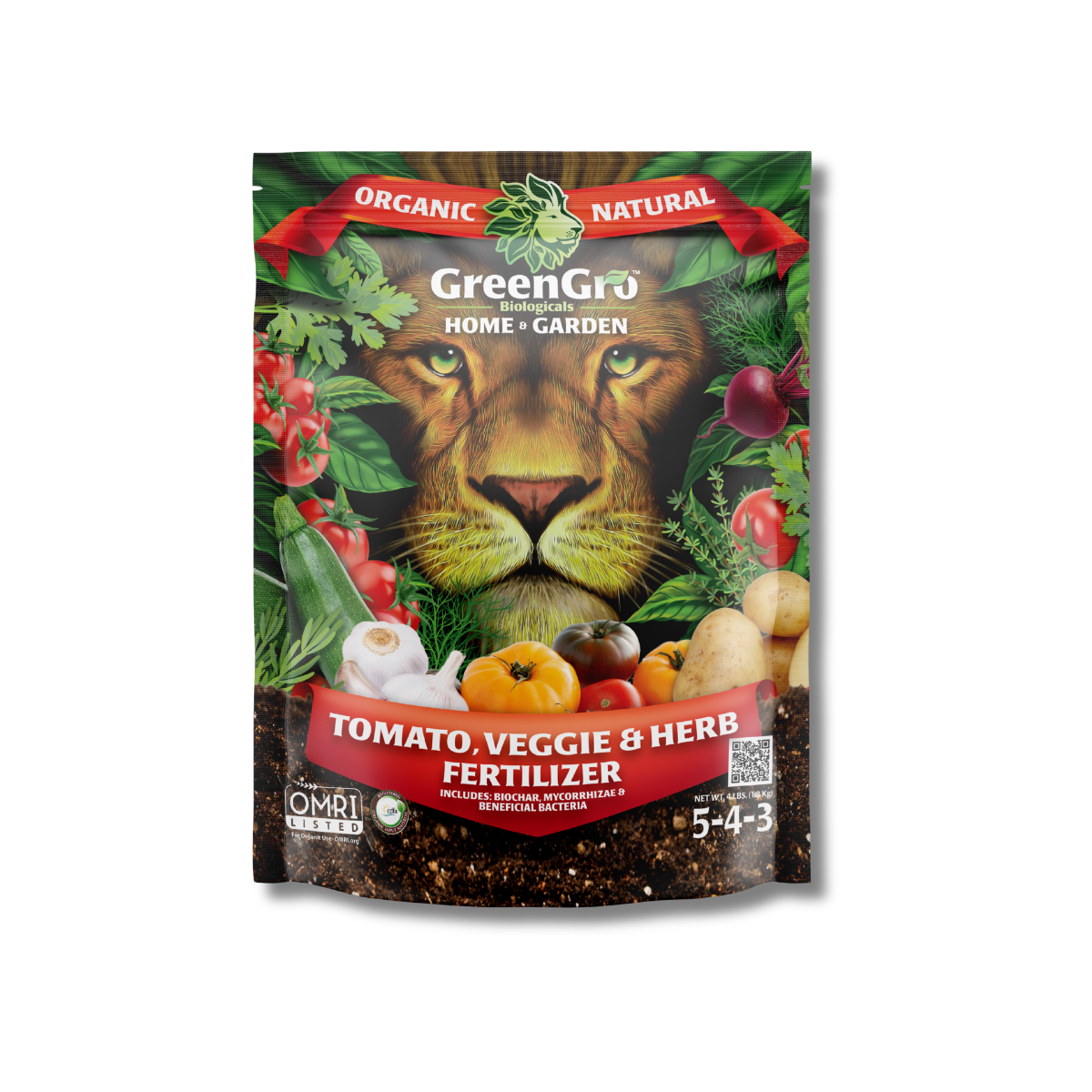
Tomato, Veggie & Herb Fertilizer
Give tomatoes, vegetables, and herbs nutrition formulated for their growing needs as part of a balanced fertilization program.
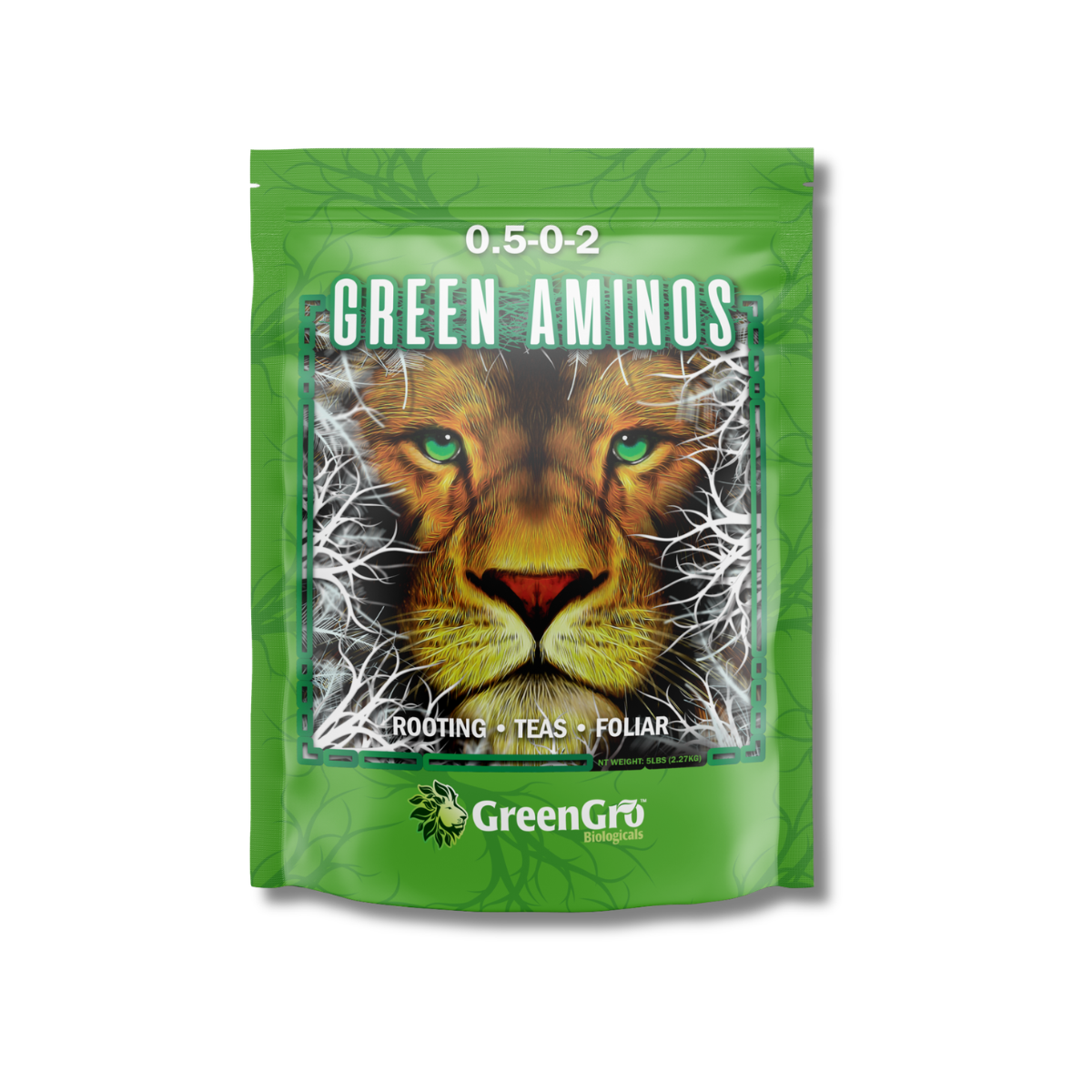
Green Aminos
Complement your plant nutrition routine with Green Aminos, following product directions and the needs of your crops.
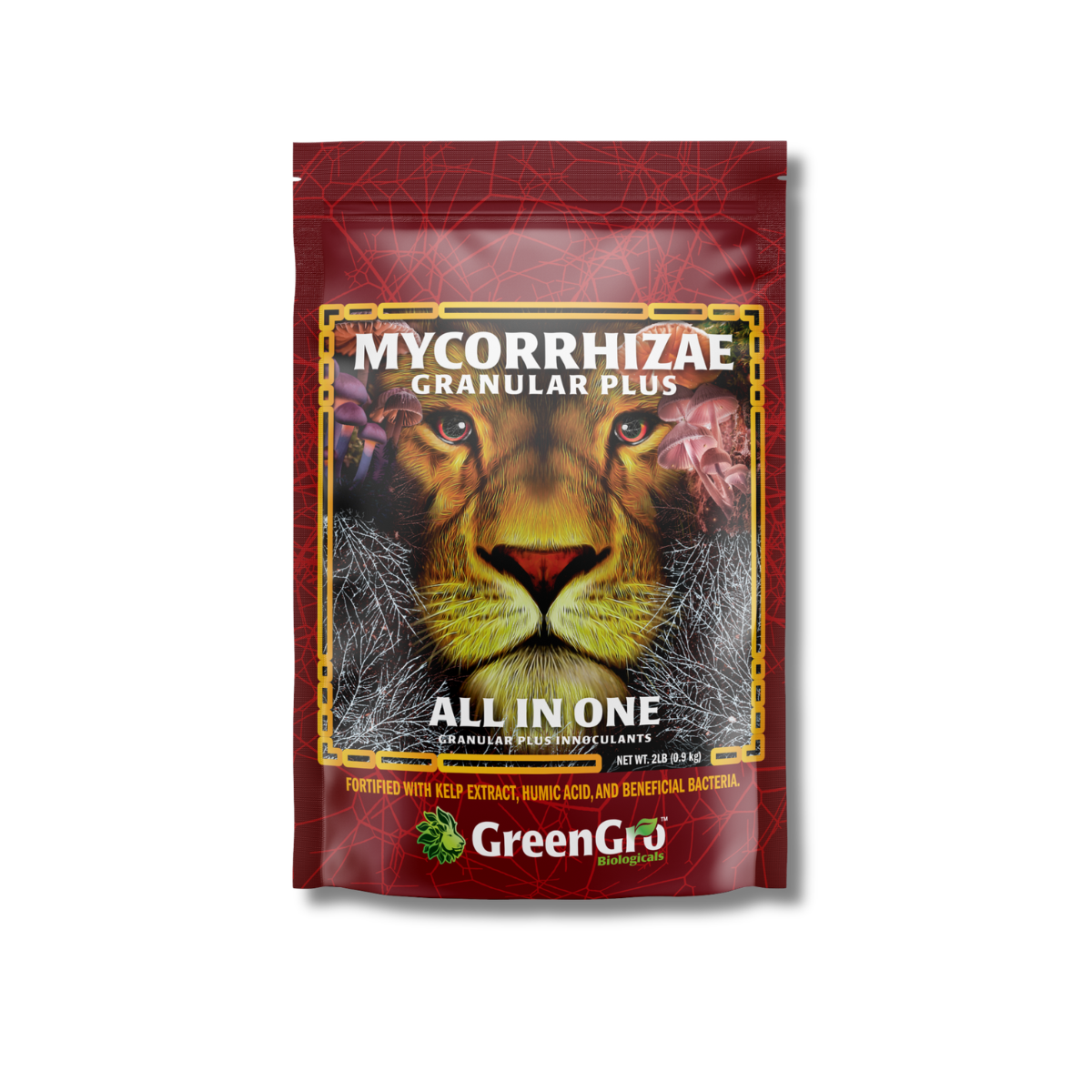
Granular Plus Myco
Support root establishment in compatible vegetable crops with beneficial mycorrhizal fungi when applied according to directions.
Still Need Help With Your Plant?
Not sure what's going on? We're happy to help!
Reach out to us at info@thegreengro.com, and let's get your garden back on track.