

Plant & Soil Problem Solver
Why Isn't My Plant Flowering?
All those leaves, but no flowers? Let's find out what's missing.
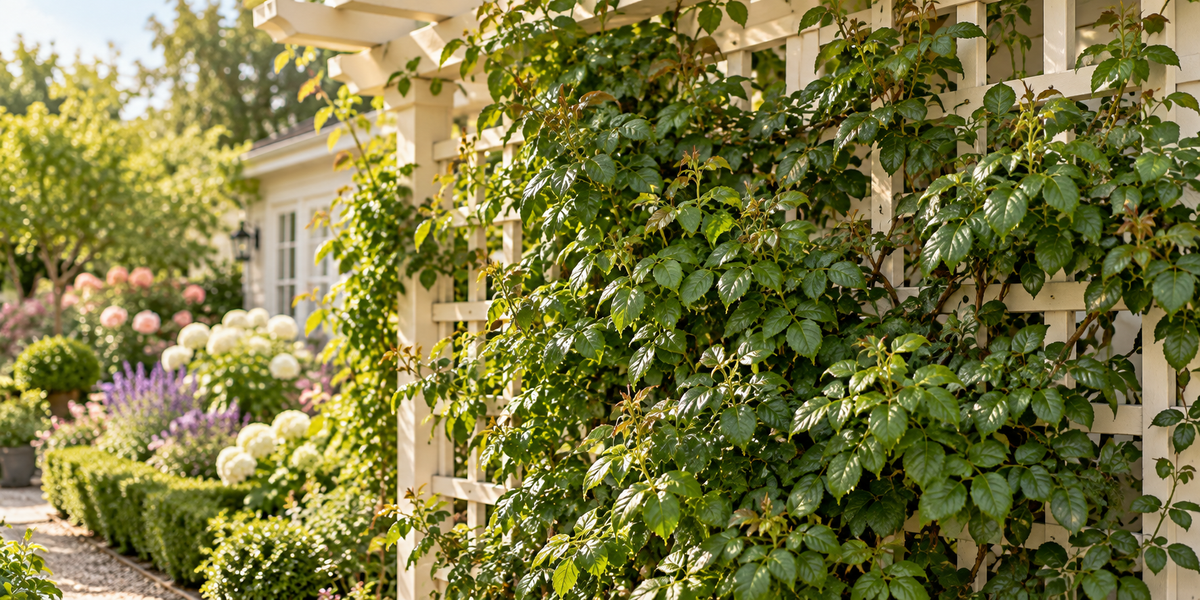
Your plant looks green, healthy, and full of life, but the blooms just aren't showing up. From lighting and nutrition to pruning and seasonal changes, several factors can affect flowering. Learn what might be holding your plant back and how to encourage healthier blooming conditions.
Healthy Leaves Don't Always Mean Happy Blooms
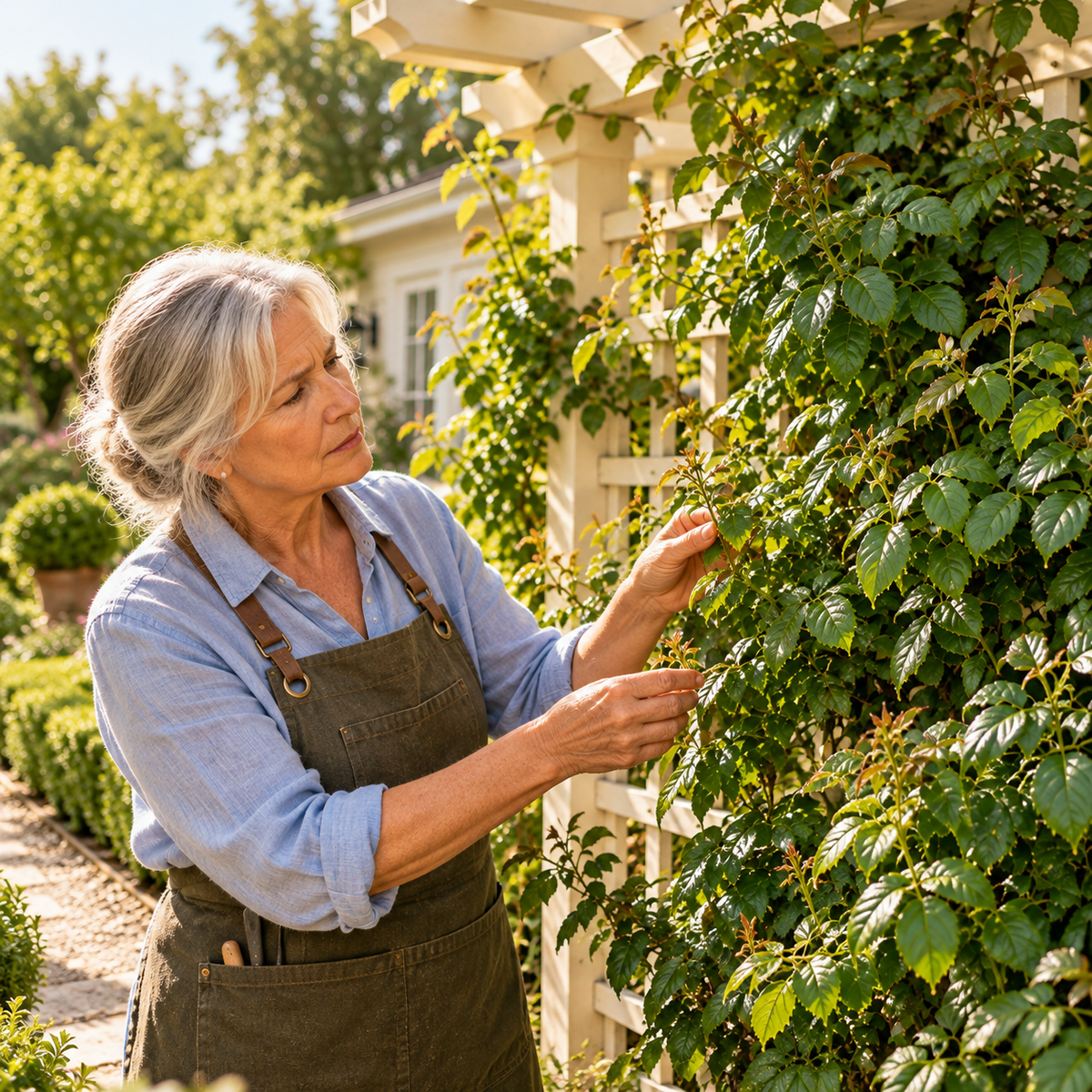
It's frustrating when a plant grows beautiful, lush foliage but refuses to flower.
Flowering is a complex process influenced by plant maturity, light exposure, temperature, nutrition, and natural growth cycles.
Some plants need a certain number of daylight hours to initiate flowering. Others respond to temperature changes, seasonal cues, or reaching a particular stage of maturity.
In some cases, a plant may direct more energy toward producing leaves and stems instead of flowers, especially when growing conditions favor vegetative growth.
And sometimes, nothing is wrong at all. Your plant may simply not be in its natural blooming season.
The key is understanding what triggers flowering for your specific plant and creating conditions that support that process.
Why Isn't Your Plant Producing Flowers?
01
Insufficient Sunlight
Many flowering plants need adequate light to develop flower buds. Too much shade can encourage leafy growth with fewer blooms.
02
Excessive Nitrogen
Applying more nitrogen than a plant needs can encourage vigorous foliage growth at the expense of flowering in some species.
03
Incorrect Pruning
Pruning at the wrong time can remove developing flower buds, especially on plants that bloom on older growth.
04
Plant Immaturity
Young plants may need additional time to reach the developmental stage when flowering becomes possible.
05
Temperature or Environmental Stress
Extreme heat, cold, drought, or other stressful conditions can delay flowering or cause flower buds to drop.
06
Natural Flowering Cycles
Some plants bloom only during certain seasons or require specific day-length or temperature conditions before producing flowers.
How to Encourage Flowering in 5 Steps
Step 1: Check Your Plant's Light Requirements
Make sure your plant receives the amount of sunlight appropriate for its species. If needed, gradually move container plants to a brighter location or reduce excessive shading.
Step 2: Review Your Fertilization Routine
Avoid overapplying nitrogen. Choose a balanced nutrition program suited to your plant and its growth stage, following fertilizer directions.
Step 3: Understand When Your Plant Blooms
Research its natural flowering season and whether it needs specific temperature or daylight conditions to initiate buds.
Step 4: Prune at the Right Time
Learn whether your plant flowers on old or new growth before pruning. Removing branches at the wrong time may eliminate the season's flower buds.
Step 5: Maintain Consistent Growing Conditions
Provide appropriate watering, drainage, and root-zone conditions. Reduce avoidable stress and allow time for healthy new growth and flower development.
Set the Stage for Beautiful Blooms
- Choose the right location: Match sunlight exposure to your plant's needs.
- Feed thoughtfully: Provide appropriate nutrition without overfertilizing.
- Learn your plant's blooming cycle: Understand when flowers naturally develop and what environmental cues they require.
- Prune with a purpose: Follow species-specific pruning recommendations to avoid removing future blooms.
- Keep roots healthy: Maintain suitable drainage, watering, and growing media conditions to support overall plant development.


Remember: More leaves don't always mean more flowers. The right balance of light, nutrition, timing, and plant care makes the difference.
GreenGro Can Help
Give Your Flowering Plants the Support They Need
Beautiful blooms begin with healthy growing conditions, appropriate nutrition, and a strong foundation below the surface.
Explore GreenGro products that can complement your flowering plant care routine.
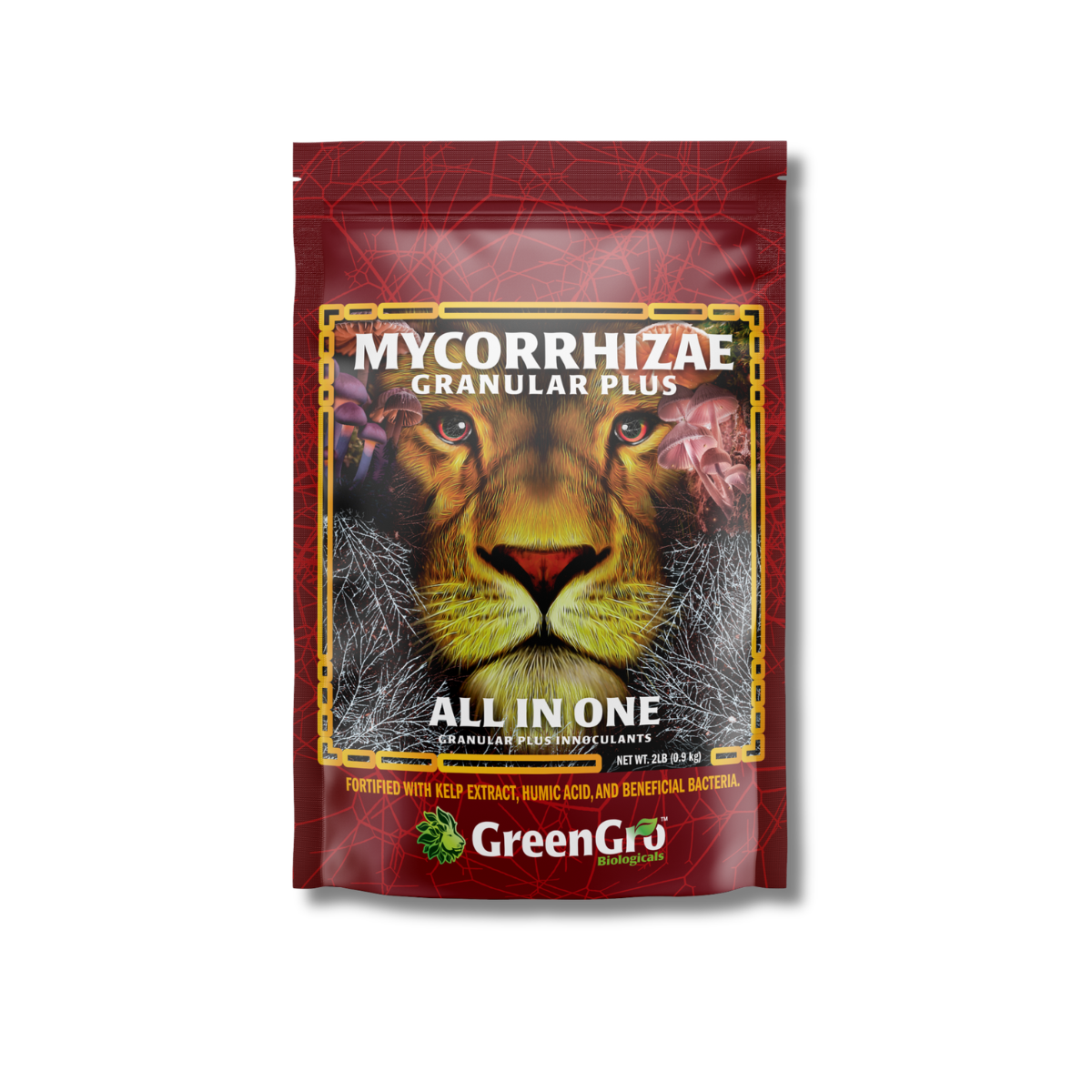
Granular Plus Myco
Support root establishment in compatible plants with beneficial mycorrhizal fungi, applied according to product directions.

Rose & Flower Fertilizer
Growing roses or other flowering plants? Provide nutrition formulated for their growing needs as part of a balanced care routine.
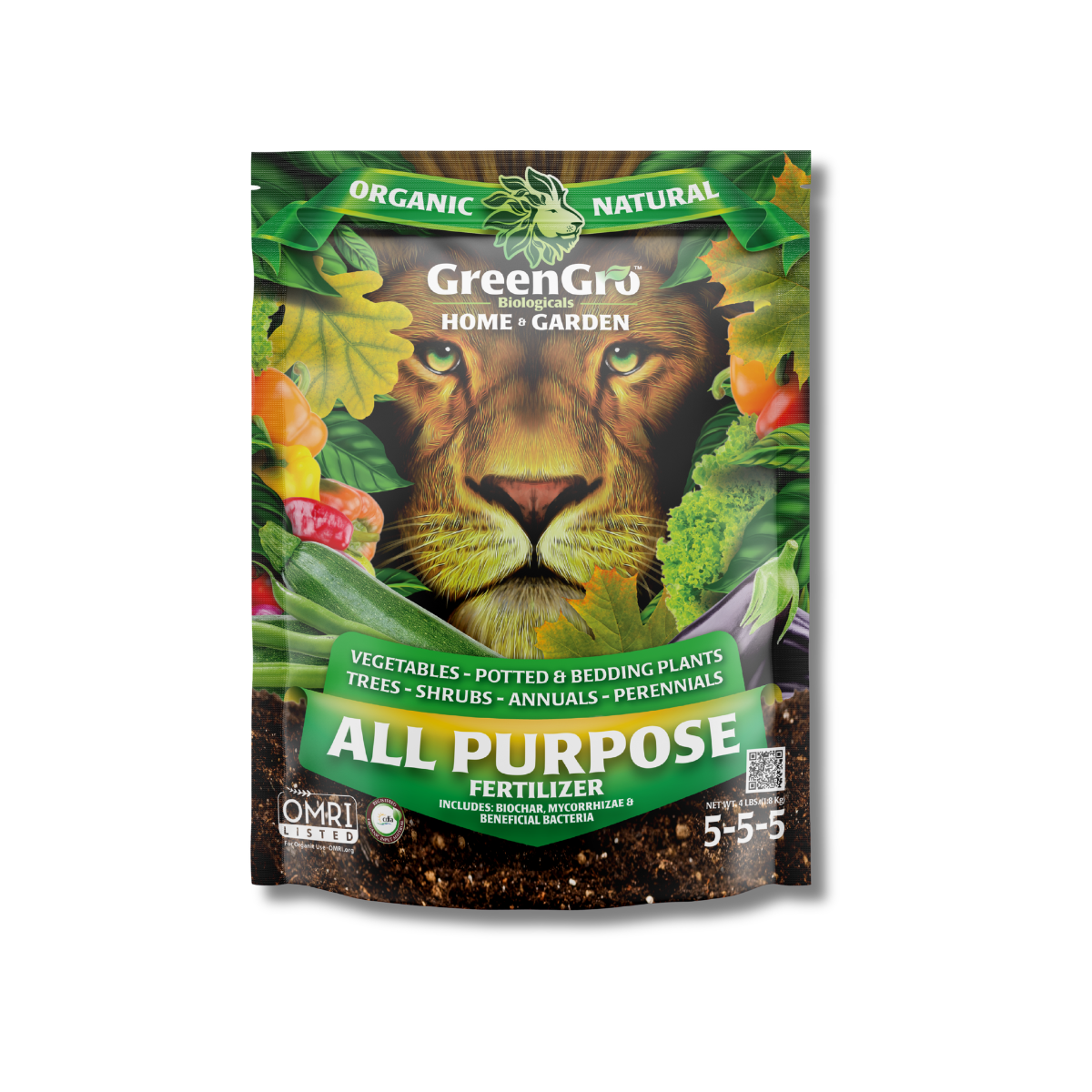
All-Purpose Fertilizer
Looking for versatile plant nutrition? Support overall plant growth with an appropriate feeding program for your garden.
Still Need Help With Your Plant?
Not sure what's going on? We're happy to help!
Reach out to us at info@thegreengro.com, and let's get your garden back on track.