


Plant & Soil Problem Solver
Is Your Plant Suffering from Heat Stress?
When temperatures rise, your plants feel it too.
Drooping leaves, scorched edges, and slowed growth can all be signs that your plant is struggling with excessive heat. Learn how to recognize heat stress, protect your plants during hot weather, and create healthier growing conditions.
Too Much Heat? Your Plant May Be Struggling to Keep Up
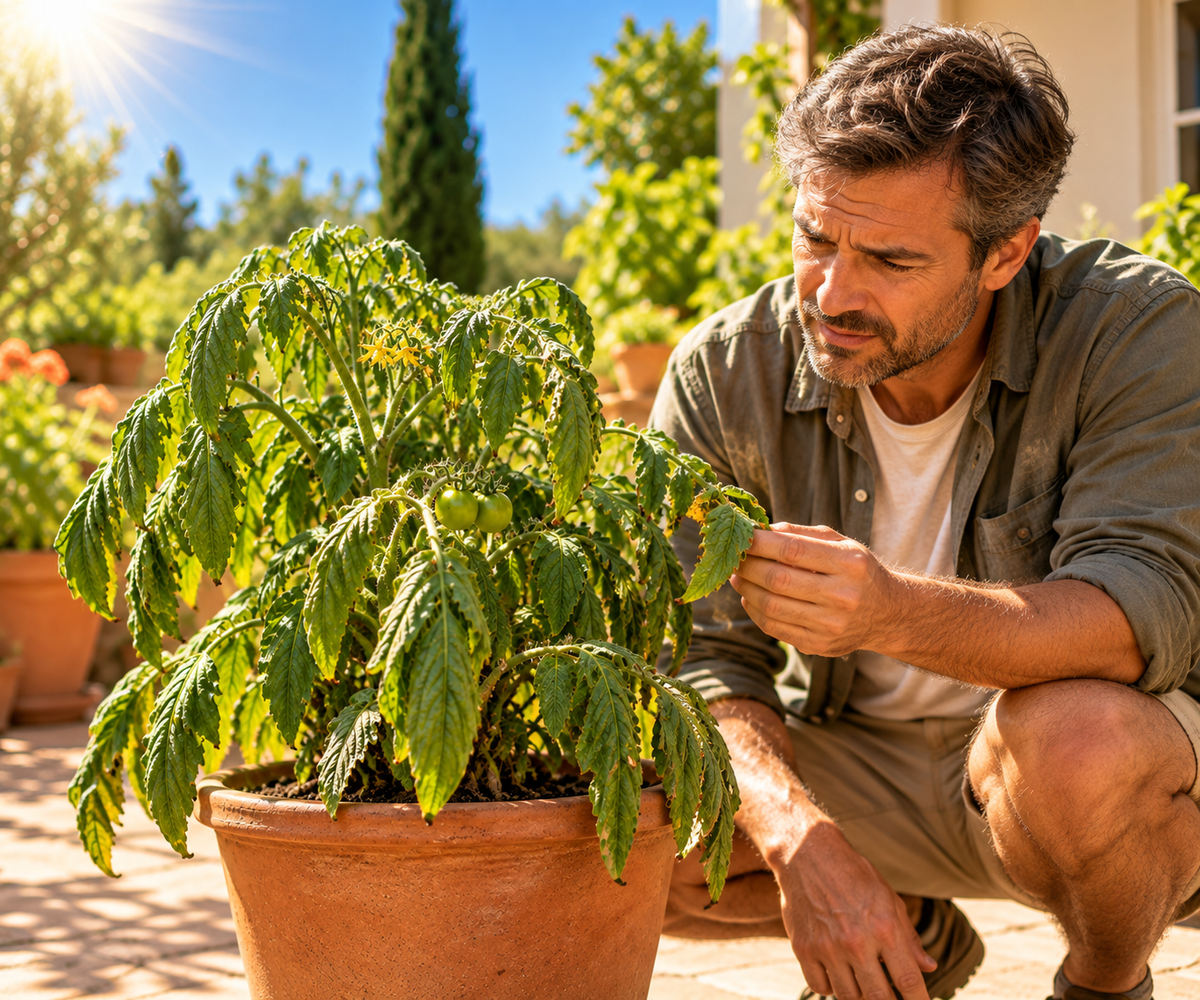
Plants rely on a delicate balance between water absorption and water loss to stay healthy.
When temperatures climb, plants often lose moisture more quickly through their leaves. If roots can't replace that water fast enough, leaves may wilt, curl, or develop damaged areas.
Extreme heat can also interfere with photosynthesis, flowering, and fruit development.
Some plants temporarily droop during the hottest part of the day and recover as temperatures cool. Others may experience lasting damage when heat exposure is too intense or prolonged.
The key is recognizing when your plant needs protection, not just more water.
What's Causing Heat Stress in Your Plants?
01
Extreme Temperatures
When temperatures rise above a plant's preferred range, its normal growth and water balance can be disrupted.
02
Intense Direct Sunlight
Strong afternoon sunlight can overheat exposed leaves and cause sunscald or scorched patches.
03
Inadequate Soil Moisture
Dry soil limits the water available to replace moisture lost during hot conditions.
04
Hot Containers and Root Zones
Pots exposed to direct sunlight can heat up quickly, placing additional stress on roots.
05
Poor Air Circulation
Stagnant, hot air can make it harder for plants to cool themselves, particularly in enclosed growing spaces.
06
Sudden Temperature Changes
Plants that haven't gradually adjusted to outdoor heat and sunlight may be more vulnerable to damage.
5 Steps to Help Your Plants Beat the Heat
Step 1: Check Soil Moisture
Feel the soil before watering. Aim for a consistent moisture pattern suited to your plant rather than allowing repeated extremes.
Step 2: Provide Temporary Shade
Protect sensitive plants from intense afternoon sunlight using shade cloth or a suitable sheltered location.
Step 3: Keep Roots Cooler
Use appropriate mulch around outdoor plants to help moderate soil temperatures and reduce evaporation. Keep mulch away from stems.
Step 4: Improve Growing Conditions
Ensure plants have adequate airflow and avoid placing containers against surfaces that radiate excessive heat.
Step 5: Give Your Plant Time to Recover
Avoid heavy pruning, unnecessary transplanting, or excessive fertilization during extreme heat. Monitor your plant as temperatures return to a comfortable range.
Build a Garden That's Better Prepared for Hot Weather
- Water thoughtfully: Check moisture regularly and water deeply when needed.
- Protect sensitive plants: Provide afternoon shade during extreme heat.
- Maintain healthy soil: Support appropriate moisture retention, drainage, and root development.
- Use mulch where suitable: Help reduce evaporation and moderate soil temperature.
- Acclimate plants gradually: Introduce indoor-grown plants and young transplants to outdoor conditions over time.

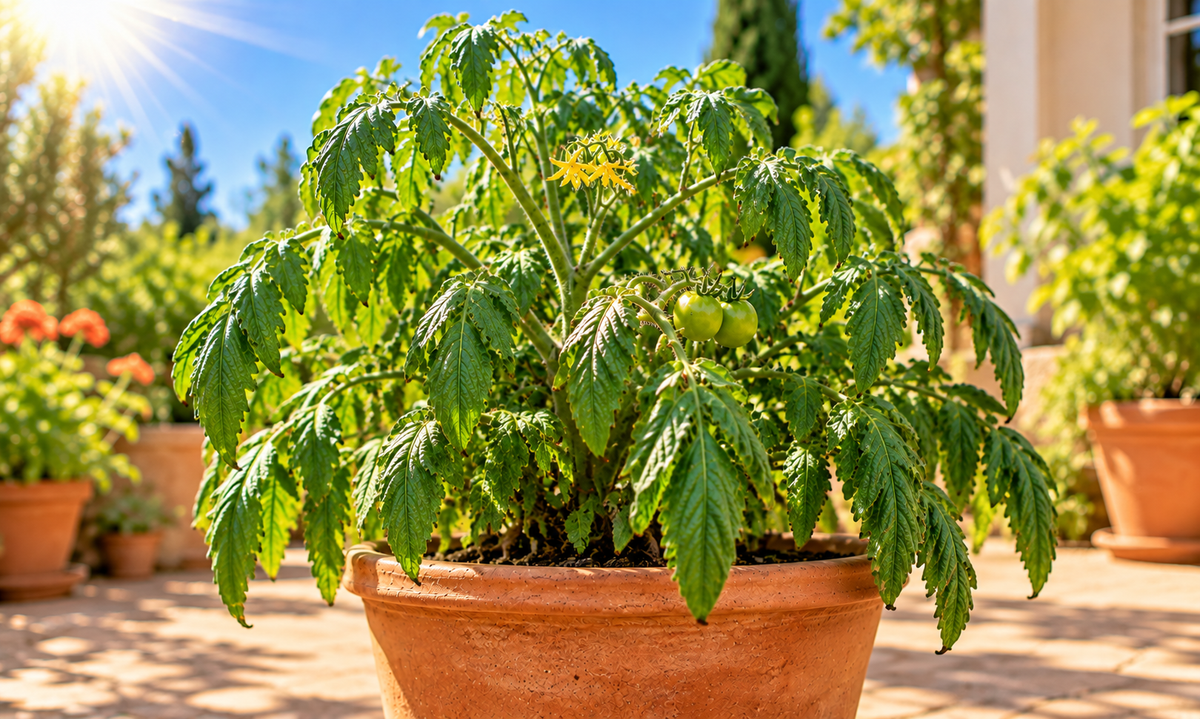
Remember: Heat stress can look similar to underwatering. Always check soil moisture before reaching for the watering can.
GreenGro Can Help
Healthy Soil Helps Plants Face Challenging Conditions
Extreme heat can stress even well-established plants, but healthy roots and balanced soil moisture are important foundations for plant health.
Depending on your growing conditions, these GreenGro products may complement your care routine.
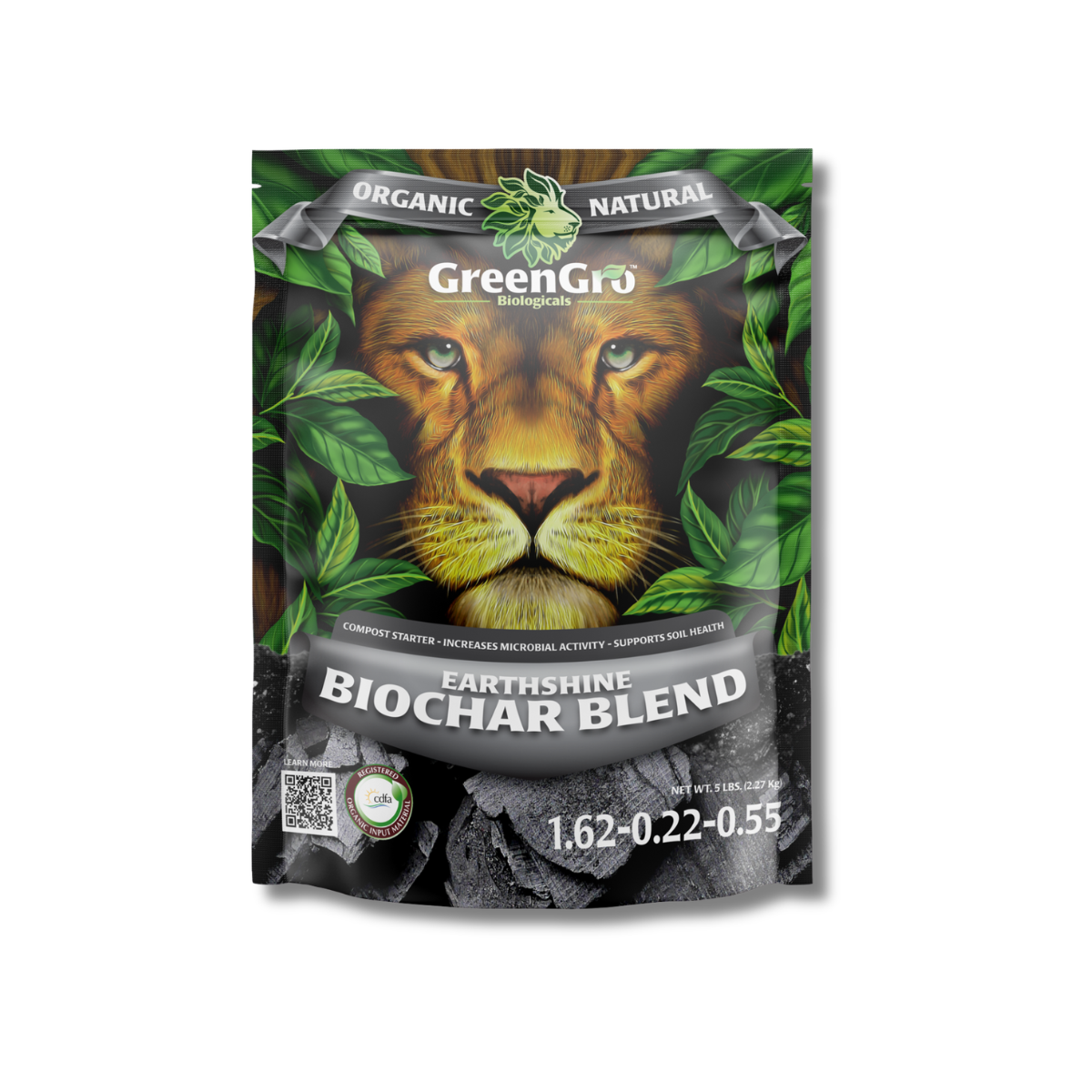
Earthshine Biochar
A biochar-based soil amendment that can help improve moisture and nutrient retention in suitable growing mixes.

Green Aminos
An amino acid-based plant supplement that can complement a balanced plant nutrition program.

Ultrafine Myco
A microbial amendment designed to support beneficial root-zone relationships in established plants.
Still Need Help With Your Plant?
Not sure what's going on? We're happy to help!
Reach out to us at info@thegreengro.com, and let's get your garden back on track.