

Plant & Soil Problem Solver
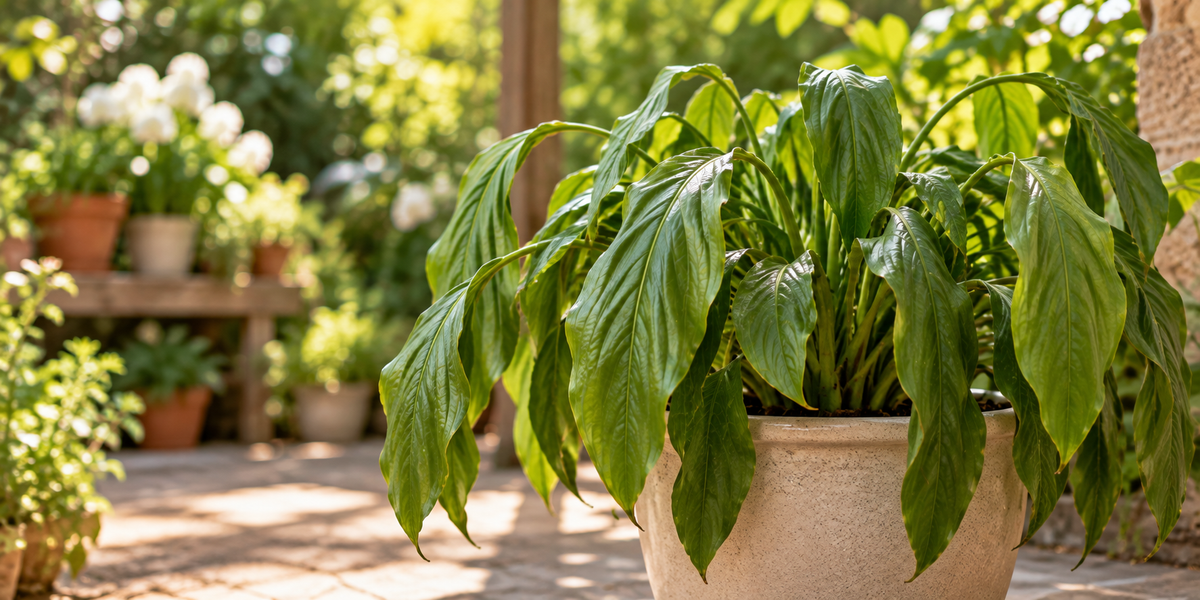
Why Is My Plant Wilting or Drooping?
Drooping leaves are a sign that something's off. Let's get to the root of it.
A plant that suddenly looks limp or wilted may be struggling with water, heat, or root health. Learn how to recognize the signs, identify possible causes, and help your plant regain its strength.
Drooping Leaves? Your Plant Is Trying to Tell You Something
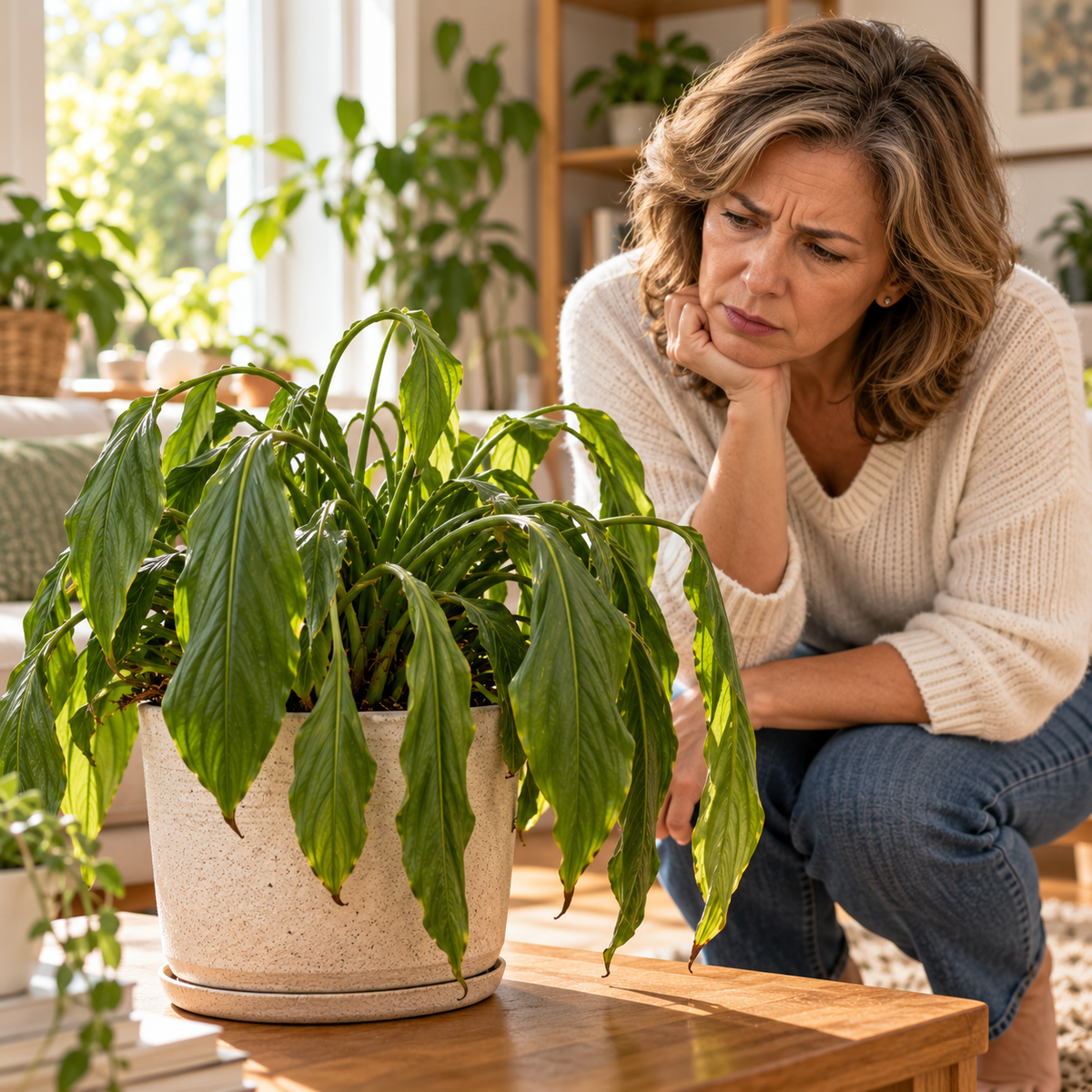
When a plant wilts, its leaves and stems lose firmness and begin to droop.
This often happens when plant cells lose turgor pressure, the internal water pressure that helps leaves and stems stay upright.
But here's something important: wilting doesn't always mean your plant needs more water.
Sometimes the soil is too dry. Other times, too much water surrounds the roots, damages them, or prevents them from absorbing moisture efficiently.
Heat and environmental stress can also cause temporary wilting, even when soil moisture is adequate.
Understanding why your plant is drooping is the first step toward helping it recover.
What's Causing Your Plant to Wilt?
01
Underwatering
When soil becomes too dry, roots may not absorb enough water to replace what the plant loses through its leaves.
02
Overwatering
Excessively wet soil can limit oxygen around the roots, interfering with their ability to function properly.
03
Heat Stress
High temperatures and intense sunlight can increase water loss faster than roots can replace it, causing leaves to droop.
04
Poor Drainage
Soil that stays saturated for too long can create stressful conditions for roots and contribute to persistent wilting.
05
Root Damage or Root Rot
Damaged or unhealthy roots may struggle to take up water, even when the soil is moist.
06
Transplant Shock
Moving a plant or disturbing its roots can temporarily disrupt water uptake while it adjusts to its new environment.
5 Steps to Help Your Plant Recover
Step 1: Check the Soil Before Watering
Feel the soil a few inches below the surface, where appropriate for your container or planting area. Dry soil may indicate underwatering, while persistently soggy soil suggests a different problem.
Step 2: Respond to the Actual Moisture Problem
If the soil is too dry, water thoroughly and allow excess water to drain. If it's already saturated, avoid adding more water and investigate drainage and root conditions.
Step 3: Protect Your Plant from Extreme Heat
If your plant is wilting during the hottest part of the day, provide appropriate temporary shade and monitor whether it recovers as temperatures cool.
Step 4: Inspect the Roots and Drainage
Check for blocked drainage holes, compacted growing media, or signs of unhealthy roots if wilting persists.
Step 5: Give Your Plant Time to Recover
Avoid unnecessary fertilizing, repotting, or other major changes while your plant is stressed. Watch for improved firmness and healthy new growth.
Help Your Plants Stay Strong and Hydrated
- Water based on soil conditions: Check moisture instead of relying only on a fixed schedule.
- Prioritize good drainage: Make sure excess water can escape and roots have access to oxygen.
- Protect against heat stress: Adjust watering and shade based on weather and plant needs.
- Support healthy root development: Choose suitable growing media and avoid unnecessary root disturbance.
- Watch for early warning signs: Catching changes in leaf firmness can help you address problems before they become severe.


Remember: Some plants temporarily droop during hot afternoons and recover in the evening. Persistent wilting deserves a closer look.
GreenGro Can Help
Stronger Roots Start with Better Growing Conditions
Wilting can happen for many reasons, but healthy roots and balanced soil moisture play an important role in plant resilience.
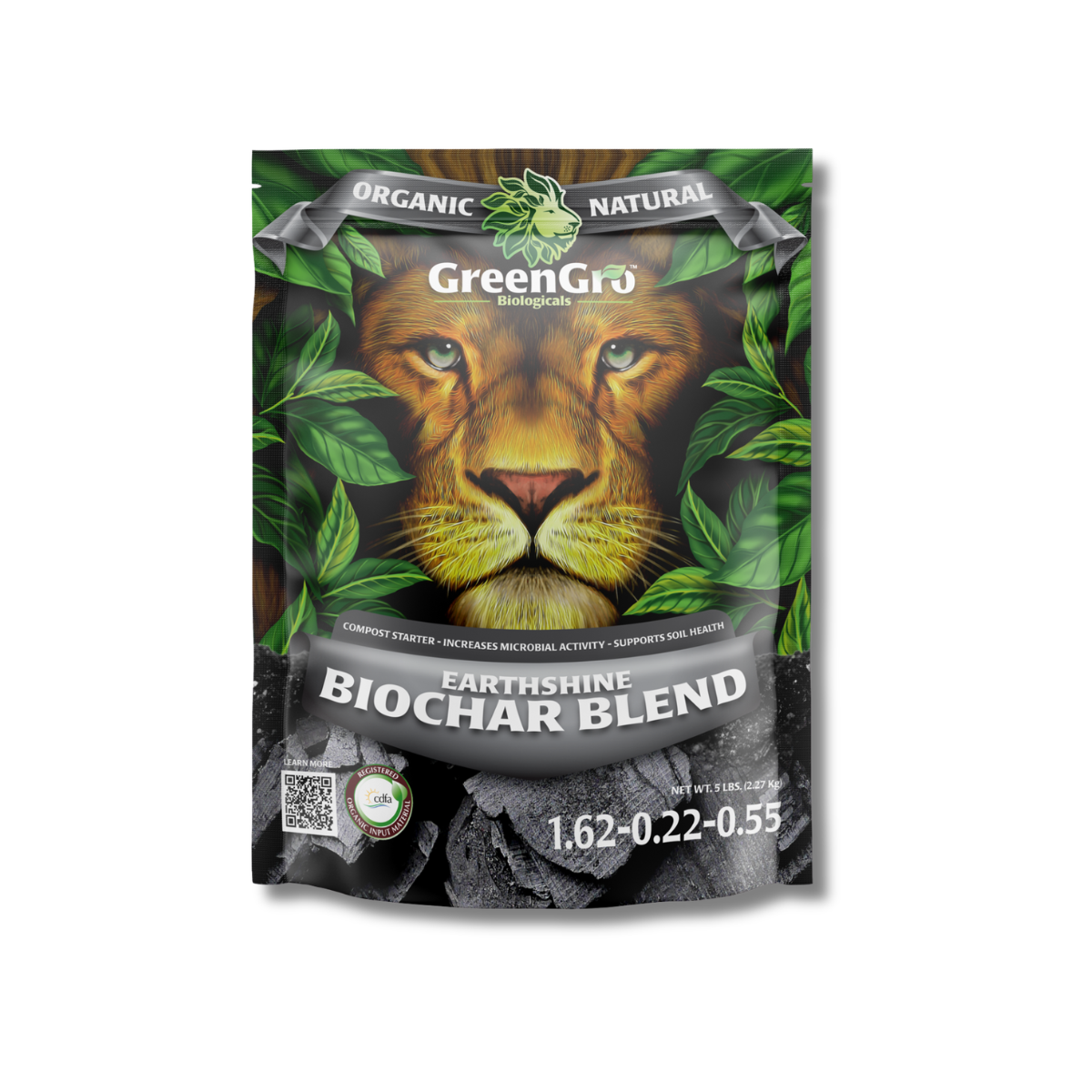
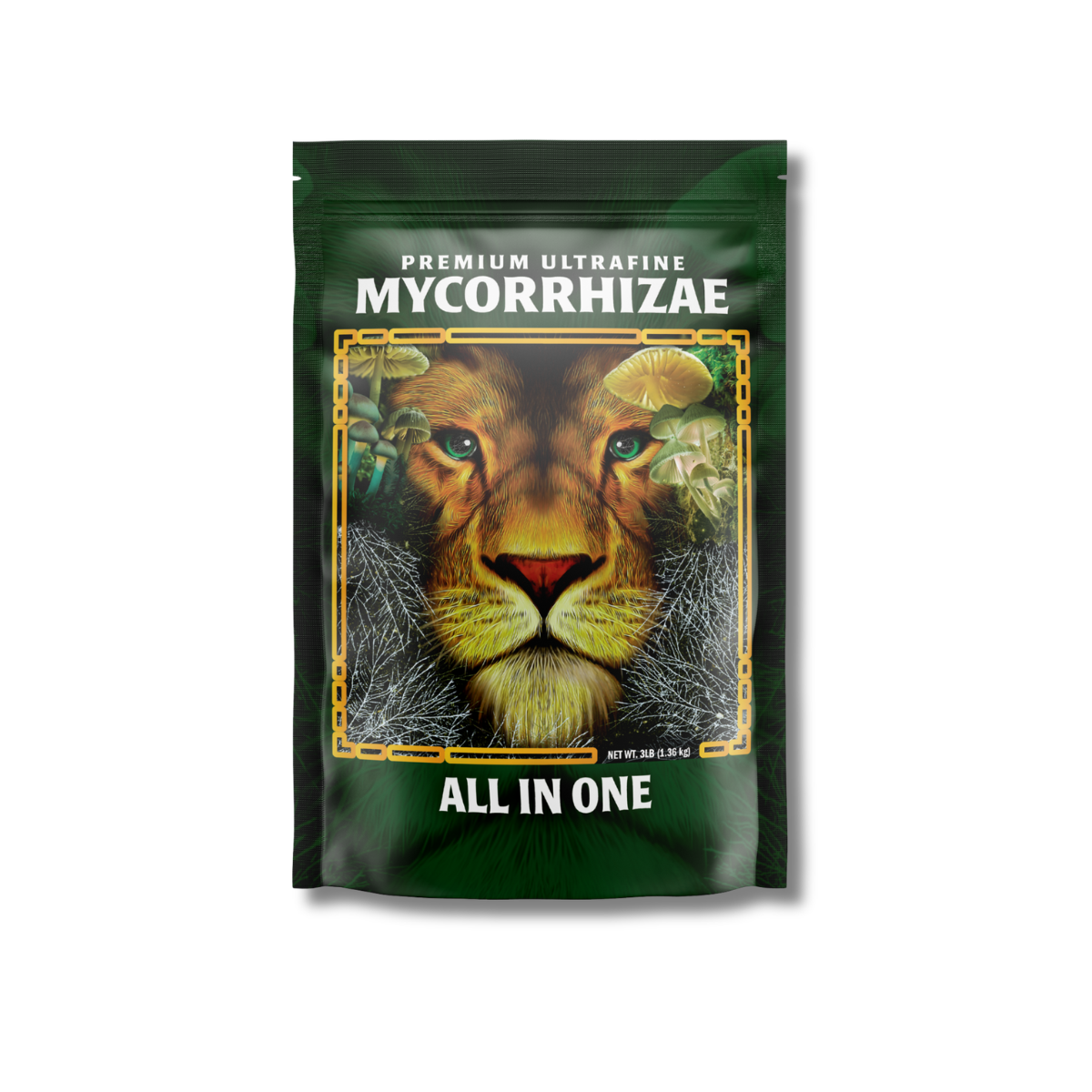
Depending on the cause, these GreenGro products may complement your plant care routine.
Still Need Help With Your Plant?
Not sure what's going on? We're happy to help!
Reach out to us at info@thegreengro.com, and let's get your garden back on track.